Southern Right Whales: What A Boat Tour Actually Shows You
Southern right whales return to Encounter Bay every winter, and one local boat, the Big Duck's Southern Ocean Adventure, is the trip built around finding them. Here is what the tour covers, what the law lets the skipper do, and how to read the season.
Short answer
The whale-focused boat trip at Victor Harbor is the Victor Harbor: Southern Ocean Adventure Cruise with Guide, from AU$85 per person, a 1.5-hour Big Duck Boat Tours cruise rated 4.7 from 163 reviews. Season runs May to October, with July and August the most reliable months. Whale sightings depend on where whales are and conditions.
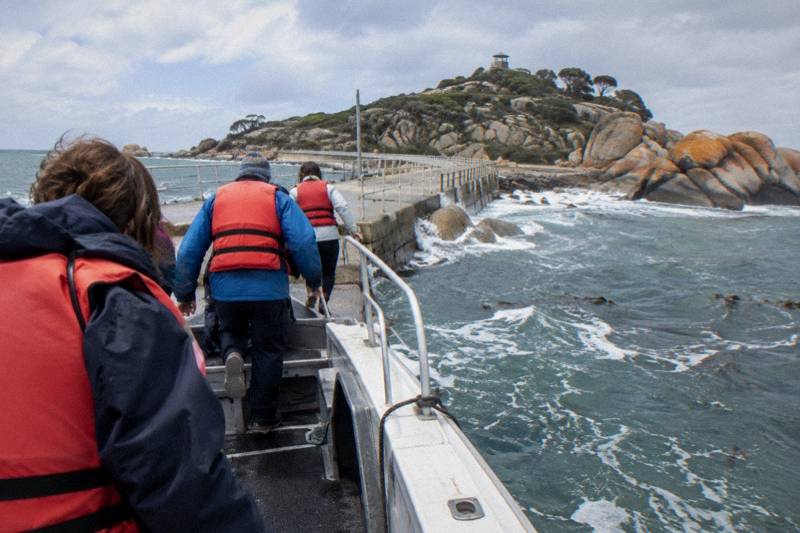
Southern right whales come back to Encounter Bay every southern winter, and they have done so for as long as the Ramindjeri people of the lower Fleurieu have named the place: the area is known as Kondilindjerung, "the home of the whales". A boat tour puts you on that water with a skipper who reads it daily. The Victor Harbor Tours line-up includes exactly one trip built for it, the Victor Harbor: Southern Ocean Adventure Cruise with Guide, run by Big Duck Boat Tours aboard the Pungari, a 12.5-metre NAIAD rigid-hulled inflatable.
In Short
The whale trip at Victor Harbor is the 1.5-hour Southern Ocean Adventure from Big Duck Boat Tours, from AU$85 per person, departing the Granite Island Causeway at about 10:45 am, with an extra 2 pm sailing when demand is high, and rated 4.7 from 163 reviews. Whales are seen where present and conditions permit, and the operator says sightings are never guaranteed. The law sets the distances, the season runs May to October, and July and August are the months the SA Whale Centre calls most reliable. For the wider picture across operators, start with the Victor Harbor whale watching overview.
| Quick Fact | Detail |
|---|---|
| Whale-focused trip | Victor Harbor: Southern Ocean Adventure Cruise with Guide |
| Operator | Big Duck Boat Tours, vessel Pungari, 12.5 m NAIAD rigid-hulled inflatable |
| Duration | 1.5 hours |
| Departure point | Granite Island Causeway, about 300 m out along the causeway |
| Price | From AU$85 per person |
| Rating | 4.7 from 163 reviews |
| Cancellation | Free up to 24 hours before, reserve now and pay later |
| Season | May to October, July and August most reliable |
What Is A Southern Right Whale Tour At Victor Harbor?
A southern right whale tour at Victor Harbor is a guided open-water boat run that follows the Encounter Marine Park coastline, with whales as the headline draw rather than a promised sighting, and it is delivered locally by one operator. The local product is the Southern Ocean Adventure, a 1.5-hour cruise from Big Duck Boat Tours rated 4.7 from 163 reviews. It meets at the Granite Island Causeway, and the vessel boards from a landing about 300 metres out along it. Along the way the skipper covers the coast's story, from the Kaiki Walk cliffs to the whaling past that nearly ended these whales.
Southern right whales are large, slow baleen whales that migrate from sub-Antarctic waters to Australia's southern coast to calve and nurse. The species was hunted close to extinction before protections arrived, and its slow, coastal habits, the very things that made it the "right" whale to hunt, are what now bring it within sight of a small boat. Encounter Bay is one of the places they linger.
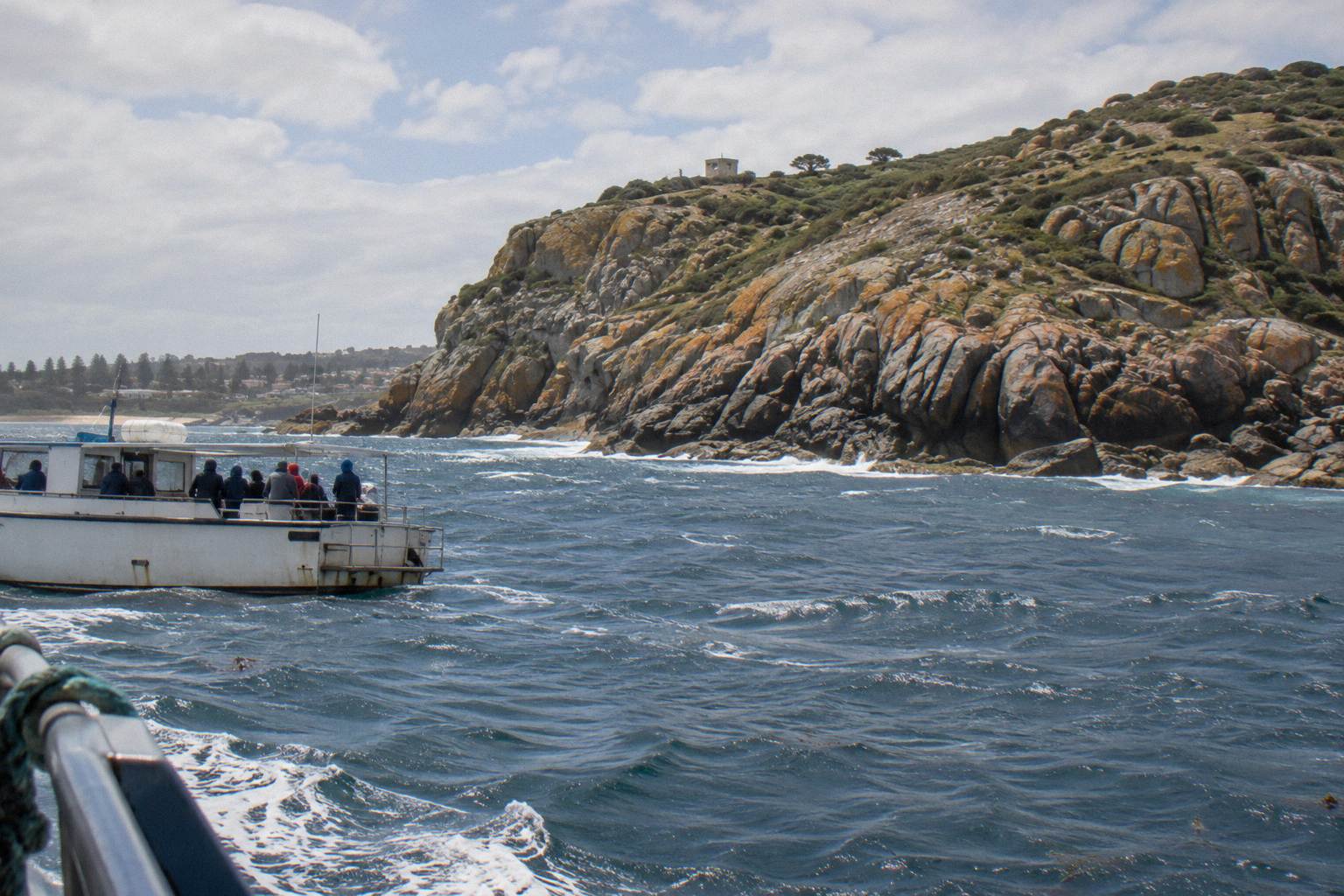
The trip's route, as the booking page describes it, names Seal Island, Wright Island, The Bluff, West Island, Shark Alley, Kings Beach and the Waitpinga cliffs, all inside Encounter Marine Park. Rosetta Head, the bluff above it all, stands 97 metres above sea level. On a clear day the same cliff line is visible from land, and the shoreside whale watching guide covers which headlands work if a boat day does not suit.
What separates a whale tour from a scenic cruise is intent, not a guarantee. The skipper goes out with the day's sighting reports in hand and adjusts the route; the booking terms say routes are subject to change with weather and wildlife. A guide is aboard throughout, and the operator's own season statement runs June to September, with July and August the best or most reliable months.
Which Boat Should You Book For Whales?
For a whale-focused run from Victor Harbor itself, the Southern Ocean Adventure is the clear pick, costing from AU$85 per person for 1.5 hours on the open water where the whales hold. It is the tour to book if seeing whales is your main goal, combining the longest open-water time with the departure point closest to where they gather. If the ocean is too heavy or the budget tighter, the 45-minute Seal Island Cruise, from AU$55 and rated 4.7 from 112 reviews, stays closer inshore, and from Goolwa the Spirit of the Coorong half-day cruise, from AU$125 and rated 4.8 from 179 reviews, explores a different waterway entirely. All three carry free cancellation up to 24 hours before.
The Southern Ocean Adventure sits at the top of the local ladder because it spends the longest time on the open water where the whales are. It runs about 10:45 am, with an extra 2 pm departure when busy. Minimum age is 2, children aged 2 to 15 travel with an adult, and the operator says the trip is not suitable for pregnant passengers. The Pungari is a rigid-hulled inflatable, which means fast, close-to-the-water and bumpy in a swell; the sea conditions guide explains what that ride feels like in different weather.
The Seal Island Cruise is the softer option. At 45 minutes and from AU$55, rated 4.7 from 112 reviews, it departs about 12:45 pm and, as the operator describes it, heads for the island where "Fur Seals, Sea-Lions, and Seabirds await". Whales are not its purpose, though in season a sighting on the way is possible where whales are present.
The Goolwa alternative changes the water entirely. Spirit of the Coorong's 3.5-hour cruise from Goolwa Main Wharf runs into Coorong National Park, a 180-kilometre stretch of lagoon and dune from the Murray Mouth to Kingston SE, significant to the Ngarrindjeri people as Kurrangk, "long narrow neck". It is a wildlife and landscape trip rather than a whale hunt, and a strong plan B when the open ocean is unkind.
What Do The 2025 Whale Approach Rules Mean On The Water?
Since 1 September 2025, South Australia's marine mammal rules have set hard distances: a boat must stay at least 100 metres from a whale, 300 metres if there is a calf or the whale is inside a protection area, travel no faster than 4 knots within 300 metres, and stay no more than 60 minutes near a whale. A licensed tour vessel follows the same limits as everyone else; the law, not the skipper's mood, decides how close the boat comes.
The old 2010 regulations were revoked on 1 September 2025 and replaced by the 2025 regulations. One change matters directly at Victor Harbor: the former Encounter Bay Restricted Area is now the Encounter Bay Whale Nursery Protection Area, one of three in the state alongside Fowlers Bay and Sleaford Bay. Inside it, the 300-metre calf distance applies. The marine parks authority's viewing guide summarises the same rules for the public.
| Rule from the 2025 regulations | What it means on the boat |
|---|---|
| 100 m minimum distance to a whale | The skipper holds the boat outside a football-field radius of any adult whale |
| 300 m if the whale has a calf | Doubles the buffer when a mother and calf pair is in view |
| 300 m inside the Encounter Bay Whale Nursery Protection Area | The nursery zone forces the wider buffer across much of Encounter Bay in season |
| 4 knots maximum within 300 m | The boat slows to walking pace as it approaches |
| No more than 60 minutes near a whale | The encounter is time-limited, then the boat moves on |
| Drones and planes 300 m, helicopters and gyrocopters 500 m | Leave the aerial camera at home; personal drones are restricted too |
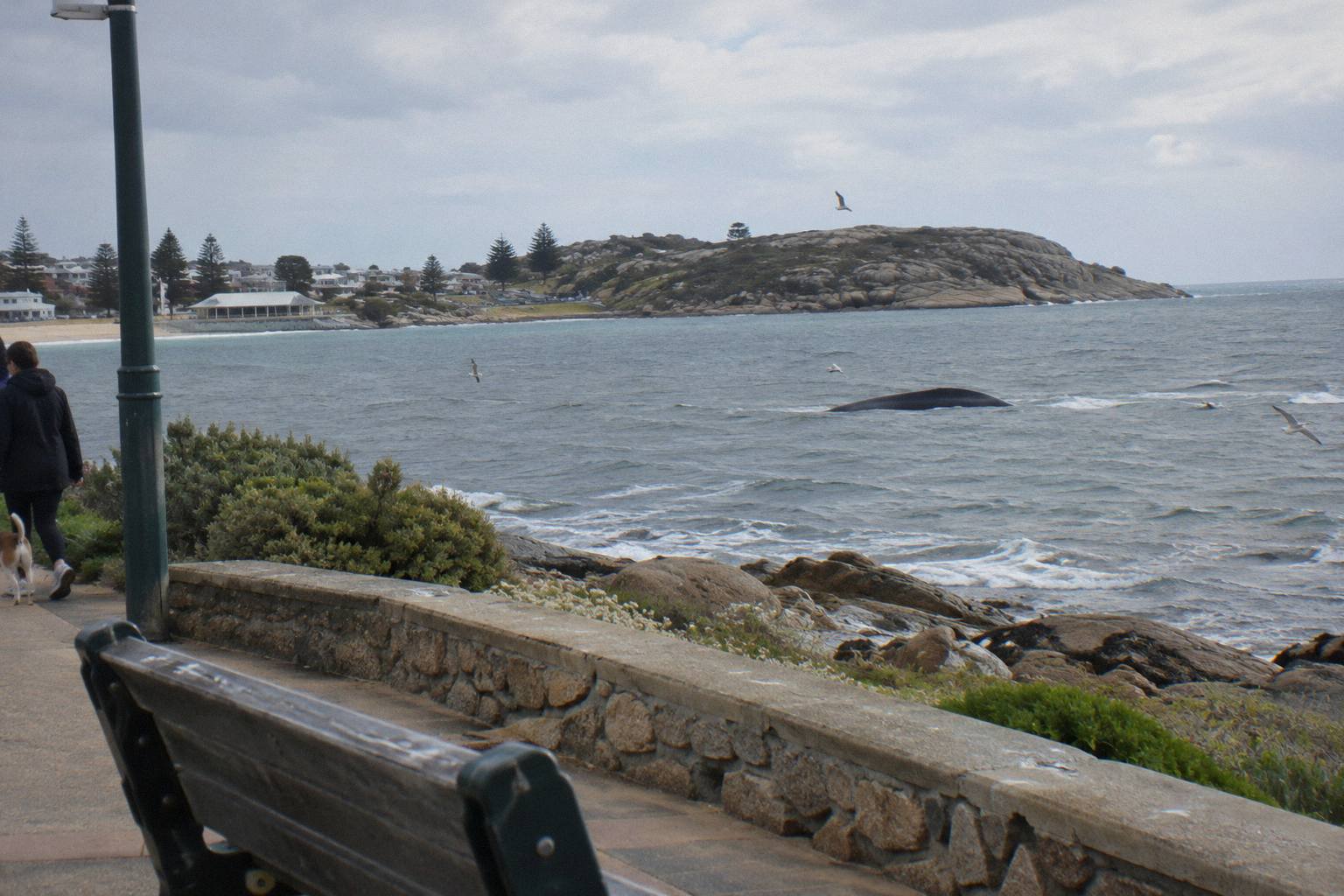
Read the table as what the vessel must do, never as a promise of a close view. A whale that approaches a stationary boat is a different matter, and the rules govern the boat's conduct, not the whale's. In practice, southern right whales near Encounter Bay often move slowly and close to the surface, and a legal-distance view of a 15-metre animal from a low inflatable deck still fills the frame.
The nursery-area status is the detail most first-time visitors miss. Because Encounter Bay is one of three protection areas in the state, the 300-metre buffer applies more often here than almost anywhere else on the South Australian coast, exactly because mothers bring calves into the bay. The whale nursery status is the reason the whales come, and the reason the boats hold back.
When Is Southern Right Whale Season At Victor Harbor?
The SA Whale Centre's season guidance runs May to October, with the first whales usually seen in May and found until early October, and July and August named as the most reliable months for a sighting from either boat or shore. Big Duck Boat Tours frames its local whale season as June to September, again with July and August the best or most reliable. Book inside that July to August window and the odds of whales being in the bay are at their highest, with no sighting ever certain.
The season lines up with the coast's coolest, wettest weather. Bureau of Meteorology averages for Victor Harbor show July mean maximums of 15.5 °C and mean minimums of 6.6 °C, with June the wettest month at 83.4 mm of rain on average, so a whale trip is a warm-layers day, and the sea state matters as much as the calendar. Rain alone does not necessarily cancel a Big Duck departure; rough, unsafe conditions do.
| Month | Whale standing | Notes for planning |
|---|---|---|
| May | Season opens | First whales usually appear, per the SA Whale Centre |
| June | Building | Big Duck's local whale season begins this month |
| July | Core | Named most reliable by both the SA Whale Centre and the operator |
| August | Core | Peak calf season window inside the nursery protection area |
| September | Fading | Tail of the operator's June to September season |
| October | Closing | Whales can be found until early October |
Timing within the day matters less than timing within the season, though sea breezes tend to build the later the morning runs, and the 10:45 am departure usually rides calmer water than an afternoon sailing. The month-by-month detail, including how each period rates for boat trips versus shore viewing, is laid out in the whale watching season calendar.
Before or after any trip, the SA Whale Centre at 2 Railway Terrace, Victor Harbor, inside the old Railway Goods Shed, opens seven days from 10:00 am to 4:00 pm and publishes a sightings report form, so a walk in on the morning of a booking gives the latest word on what has been seen from where. Its FAQ page is the source of the May to October season framing above.
What Does The Boat Tour Actually Show You?
The tour shows you the Encounter Bay coastline from the water, the marine park's islands and cliffs, the seals and seabirds the operator describes at Seal Island, and whales where present and conditions permit, which the booking terms state plainly is never guaranteed. In the core months the whales are the reason most seats fill, and a 1.5-hour run gives the skipper room to work the day's reports rather than race a clock.
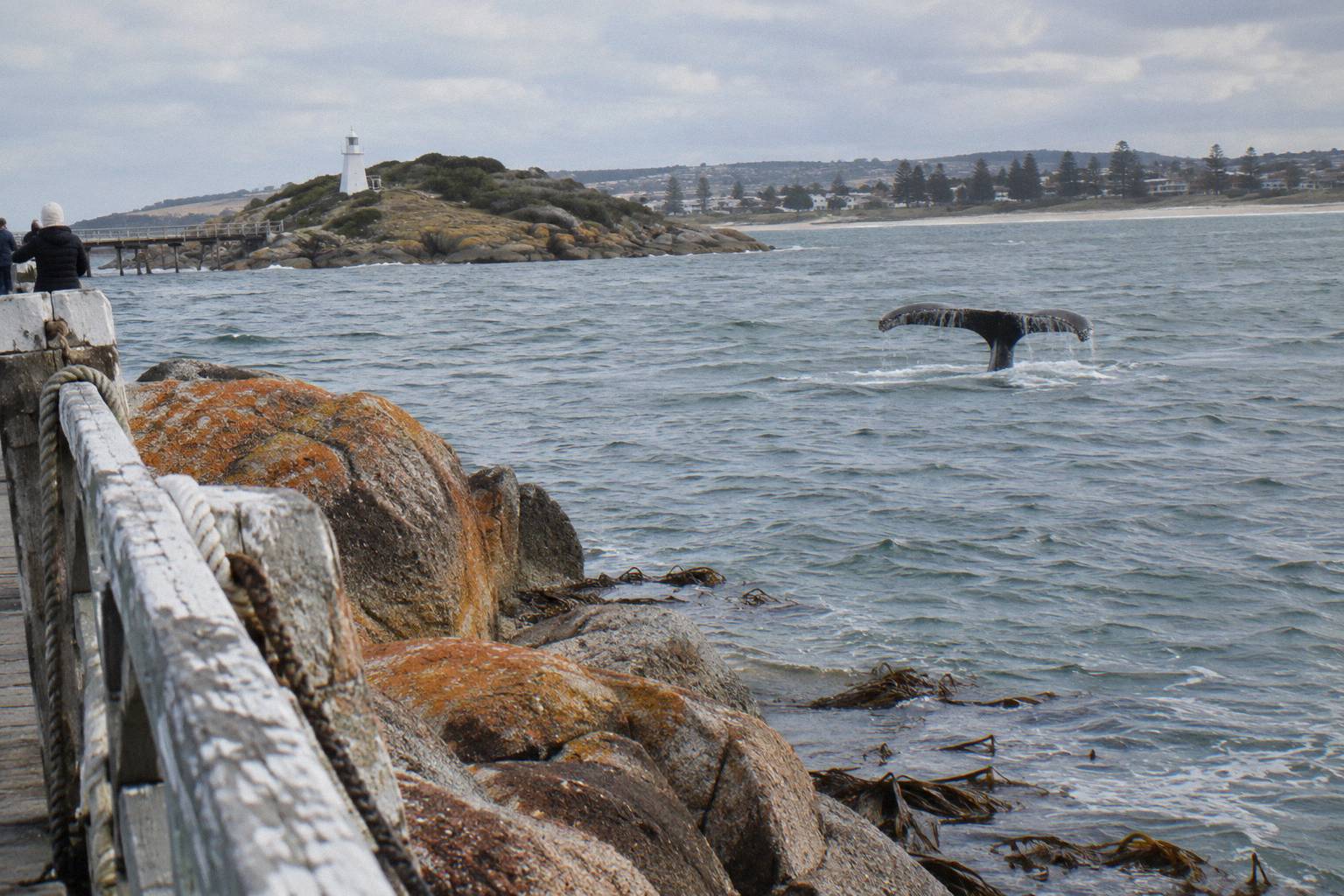
Southern right whales are the species to know. Adults reach the length of a bus, are dark with pale callosity patches on the head, and lack a dorsal fin, which gives the back a smooth, rolling line when they surface. Mothers calve in the protected shallows of the bay, and the nursery area's 300-metre buffer exists because those pairs are the most vulnerable and, from a respectful distance, the most compelling thing on the water.
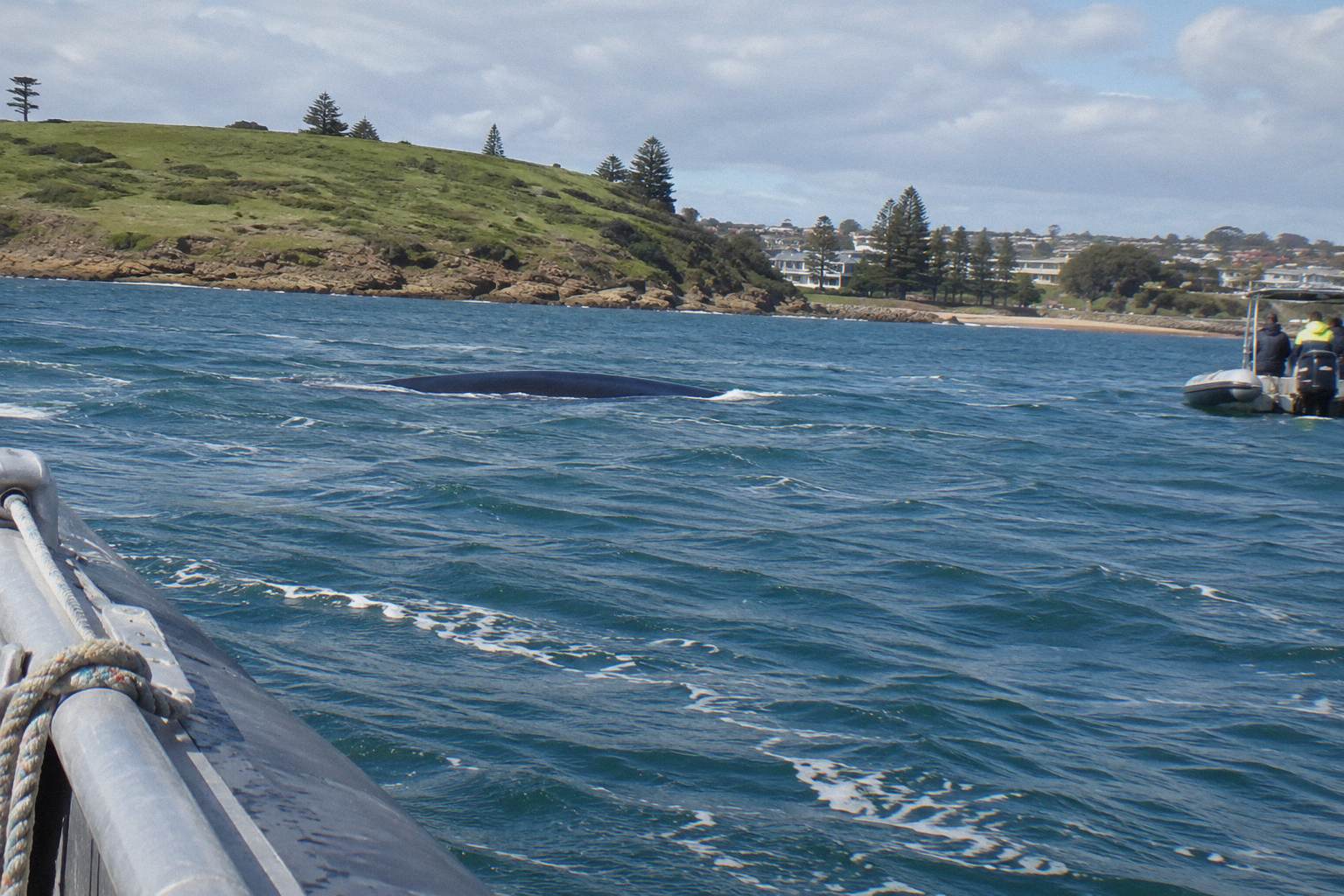
Beyond whales, the route's named stops give the trip shape even on a whale-free day. The Bluff and the Waitpinga cliffs are the geology, Shark Alley and West Island the wild edges, and Kings Beach the sheltered stretch on the return leg. The same waters hold the Encounter Bay Sanctuary Zone, where fishing and other extractive activity is off limits and tourism permits get favourable consideration, which is part of why the wildlife viewing here carries such weight.
If whales are the priority but the open-ocean ride is a concern, the softer alternatives keep you on the water. The Murray Mouth Cruise from Goolwa, 90 minutes from AU$62 and rated 4.7 from 116 reviews, stays on sheltered river water, and it earns its place on a Fleurieu itinerary even in a whale-less week.
The honest framing is that the tour sells the search, not the sighting. The operator's booking terms say whales are seen where present and conditions permit, and the same terms let the skipper reroute for weather or wildlife. What is in the price is 90 minutes of fast, guided access to water most visitors only see from the causeway, plus everything that happens to be there that day.
How Much Does A Southern Right Whale Tour Cost?
The Southern Ocean Adventure costs from AU$85 per person for 1.5 hours, the 45-minute Seal Island Cruise from AU$55, and the Goolwa half-day Coorong cruise from AU$125; every price here is a per-person amount in Australian dollars, read from each booking page. Each figure ties to its own tour, and a tour without a printed price, such as the Bums On Seats Hahndorf and Cube day trip, prints none.
| Tour | Operator | Duration | From price | Rating |
|---|---|---|---|---|
| Southern Ocean Adventure Cruise with Guide | Big Duck Boat Tours | 1.5 hours | AU$85 | 4.7 from 163 reviews |
| Seal Island Cruise | Big Duck Boat Tours | 45 minutes | AU$55 | 4.7 from 112 reviews |
| Coorong Half-Day Cruise | Spirit of the Coorong | 3.5 hours | AU$125 | 4.8 from 179 reviews |
| Murray Mouth Cruise | Spirit of the Coorong | 90 minutes | AU$62 | 4.7 from 116 reviews |
| Full-Day Coorong Cruise & Smoke Ceremony | Spirit of the Coorong | 6 hours | AU$170 | 4.8 from 23 reviews |
Value reads differently by trip. The Southern Ocean Adventure's AU$85 buys the longest open-water exposure on the local coast; the Seal Island Cruise's AU$55 buys a shorter, calmer loop; the Coorong products buy a different landscape altogether. The full-price breakdown across every whale and boat product in the region, including what the from-prices do and do not cover, sits in the whale watching tour prices guide.
All of the tours above carry free cancellation up to 24 hours before start for a full refund, plus a reserve-now-and-pay-later option, as each booking page states. Late arrivals at the Big Duck departures get no refund, so the causeway walk, about 650 metres and roughly 20 minutes on foot to the island, plus the extra 300 metres to the boarding landing, belongs in the arrival plan.
What Happens If Weather Cancels The Trip?
Big Duck cancels departures in rough, unsafe conditions, typically notifying passengers the day before by text and email, and offers a full refund or a reschedule; short-notice cancellations are possible, and rain alone does not necessarily cancel a trip. Spirit of the Coorong's Murray Mouth cruise operates rain or shine but cancels in strong winds. Every roster tour here is refundable when the operator cancels for weather.
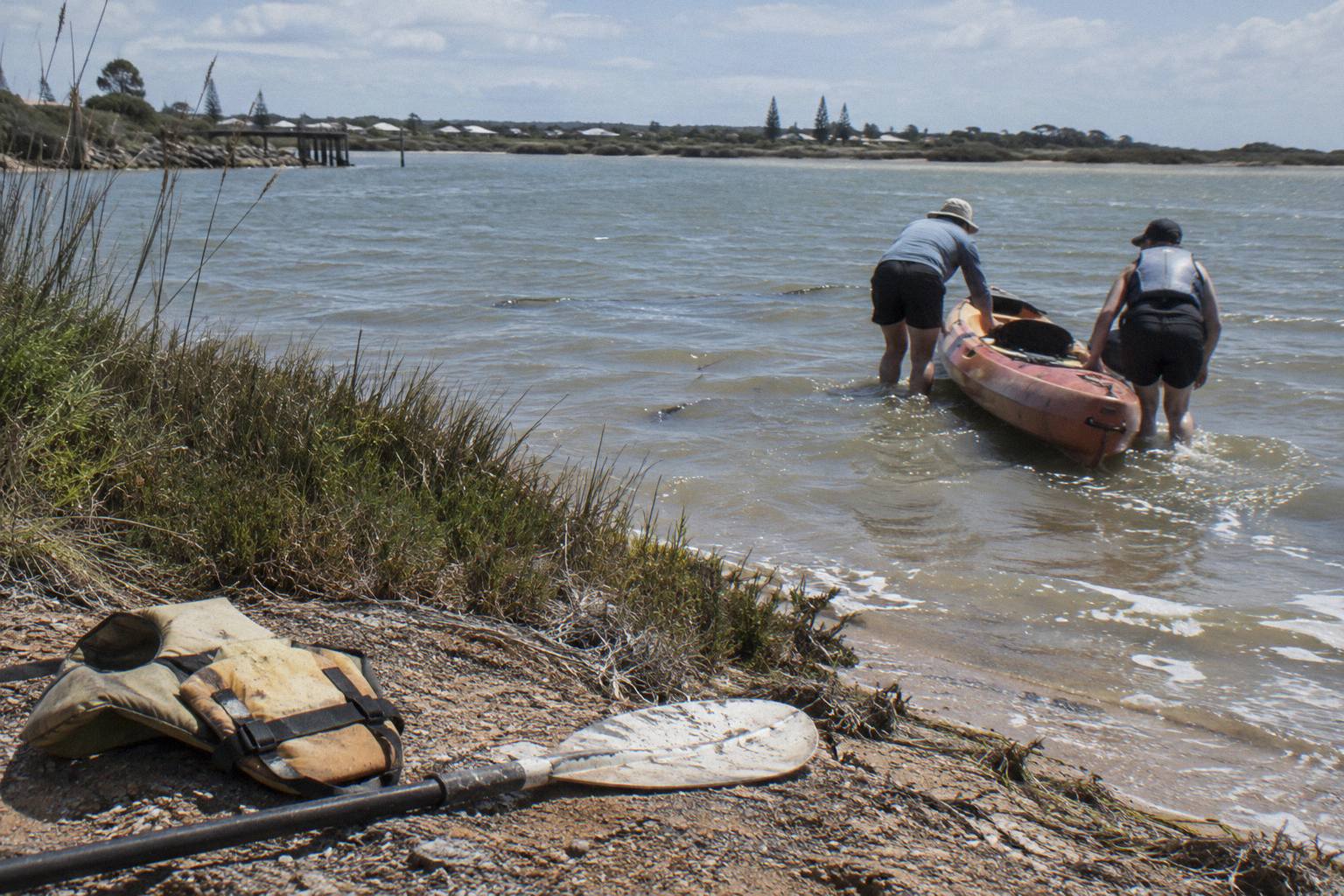
The asymmetry matters: the operator takes the weather risk, and you take the punctuality risk. Turn up on time for the Big Duck boats, because a late arrival forfeits the fare even when the sailing runs. The paddle options are stricter still; the Canoe the Coorong kayak trips cancel if forecast wind reaches 15 knots or above, if lightning is possible, or on extreme or catastrophic fire-risk days.
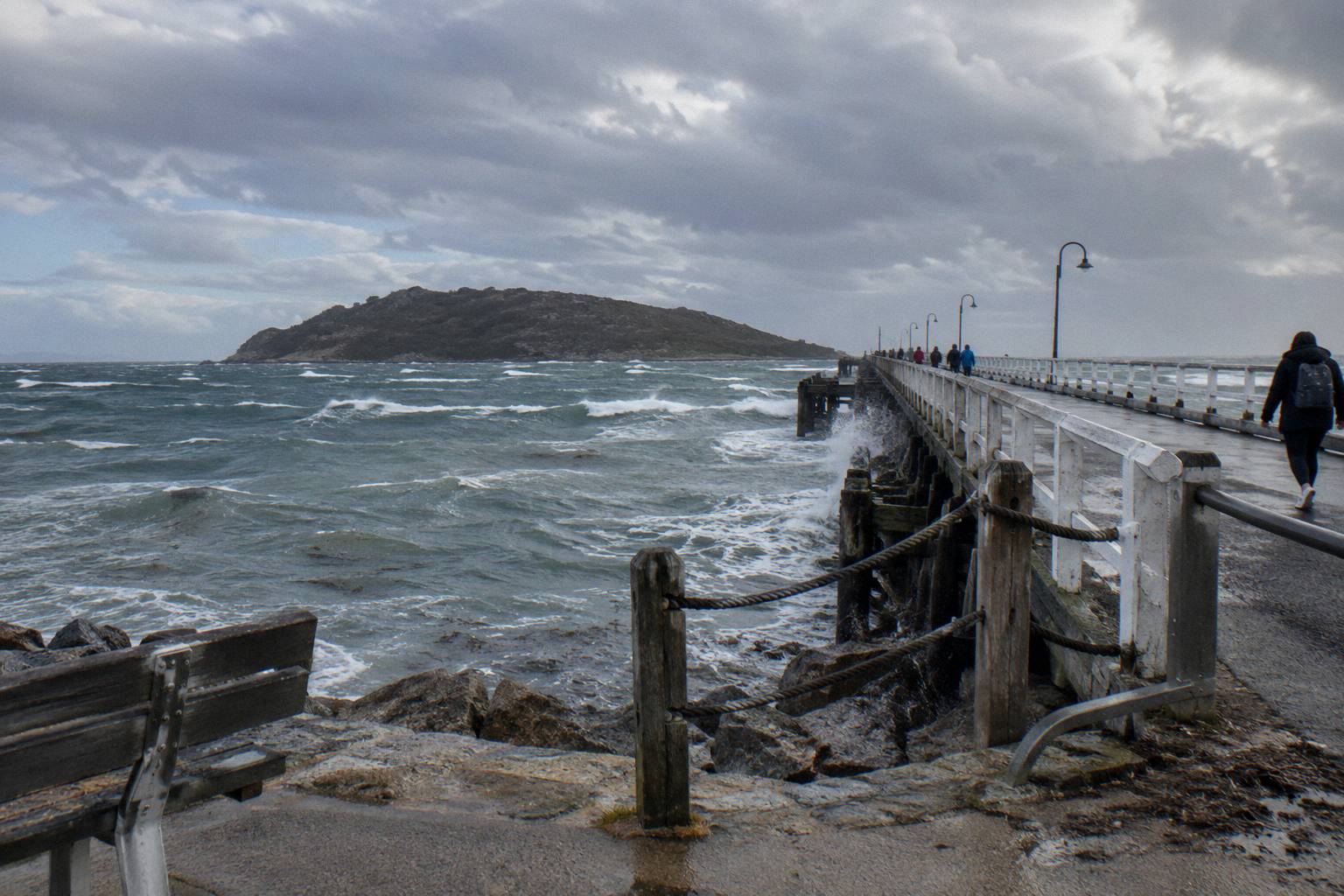
July and August, the best whale months, are also the stormiest. The same BOM averages that put July rainfall at 79.7 mm on average also explain why a weather hold is a normal part of a winter booking rather than a sign something went wrong. Build one spare morning into a whale-season itinerary and a cancellation becomes a reschedule instead of a lost day. The cancelled whale tours explainer works through the refund paths in detail.
For a week where the open ocean refuses to cooperate, the Coorong water is often the fallback that still runs. Its 3.5-hour cruise has the deepest review pool of any trip in the line-up at 4.8 from 179 reviews, and it needs no whale to justify the fare.
Mistakes People Make Booking A Southern Right Whale Tour
The four mistakes that cost people their whale trip are booking the wrong month, arriving late at the causeway, expecting a guaranteed or close-up sighting, and treating the law's distances as the operator being cautious rather than the rules everyone on the water must follow. Season, punctuality and expectations decide more whale-day outcomes than the weather does, and all three are fixable before the booking is even made. The approach rules, the departure times and the season windows are published facts, not operator small print.
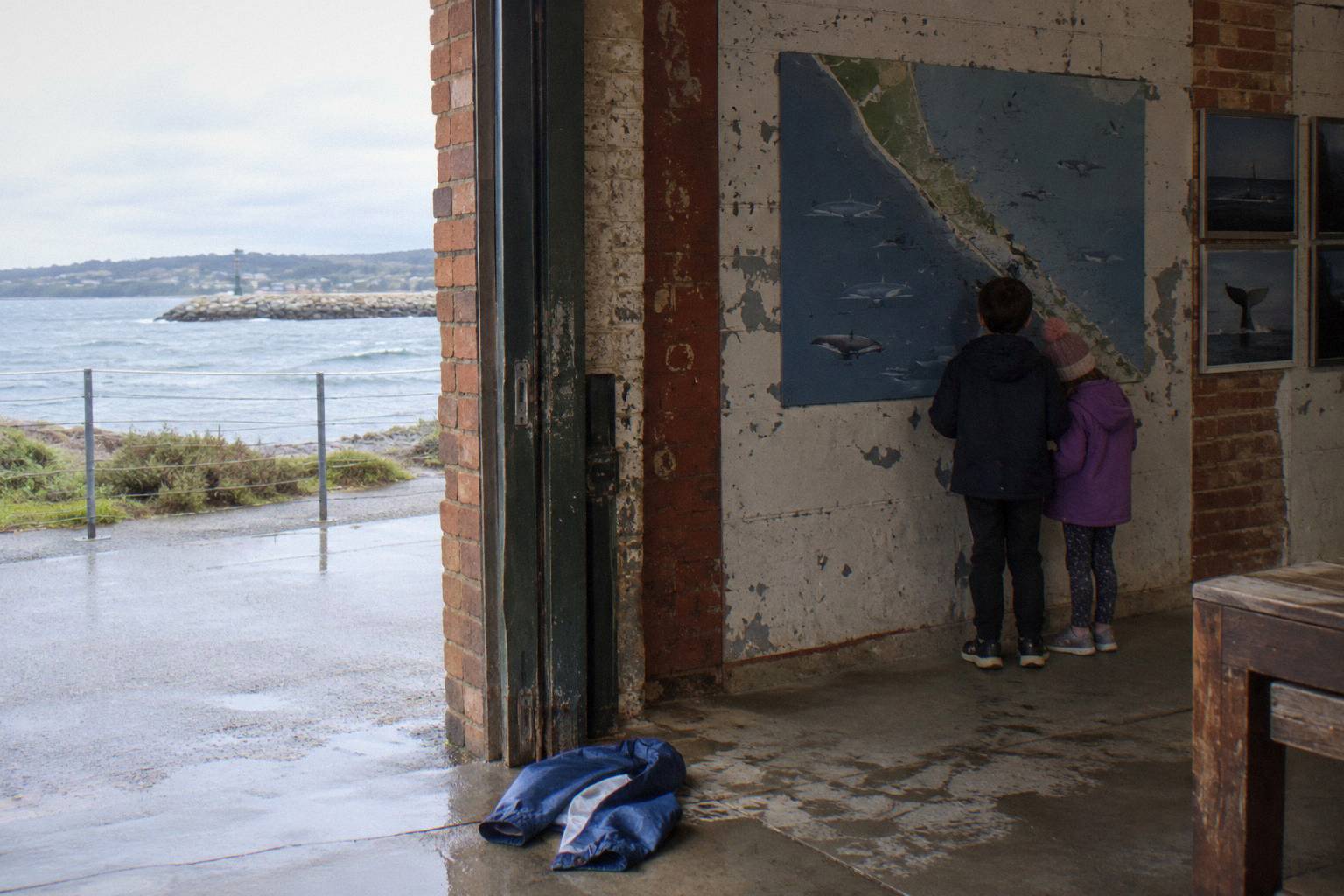
Booking in November and expecting whales is the first and biggest. The season closes in early October; outside the May to October window the trip still runs as a coastal adventure, but whales are not the story. The second is underestimating the walk. The boarding landing sits about 300 metres out along a causeway that is itself about 650 metres long, and the boat does not wait.
The third mistake is reading "not guaranteed" as a hedge. Whales move on their own schedule inside a protected bay, and the skipper works within distances written into state law since 1 September 2025. A sighting at 300 metres from a low deck in a nursery bay is the ordinary shape of a good whale day here, and the fourth mistake, demanding more, is the one no operator can satisfy.
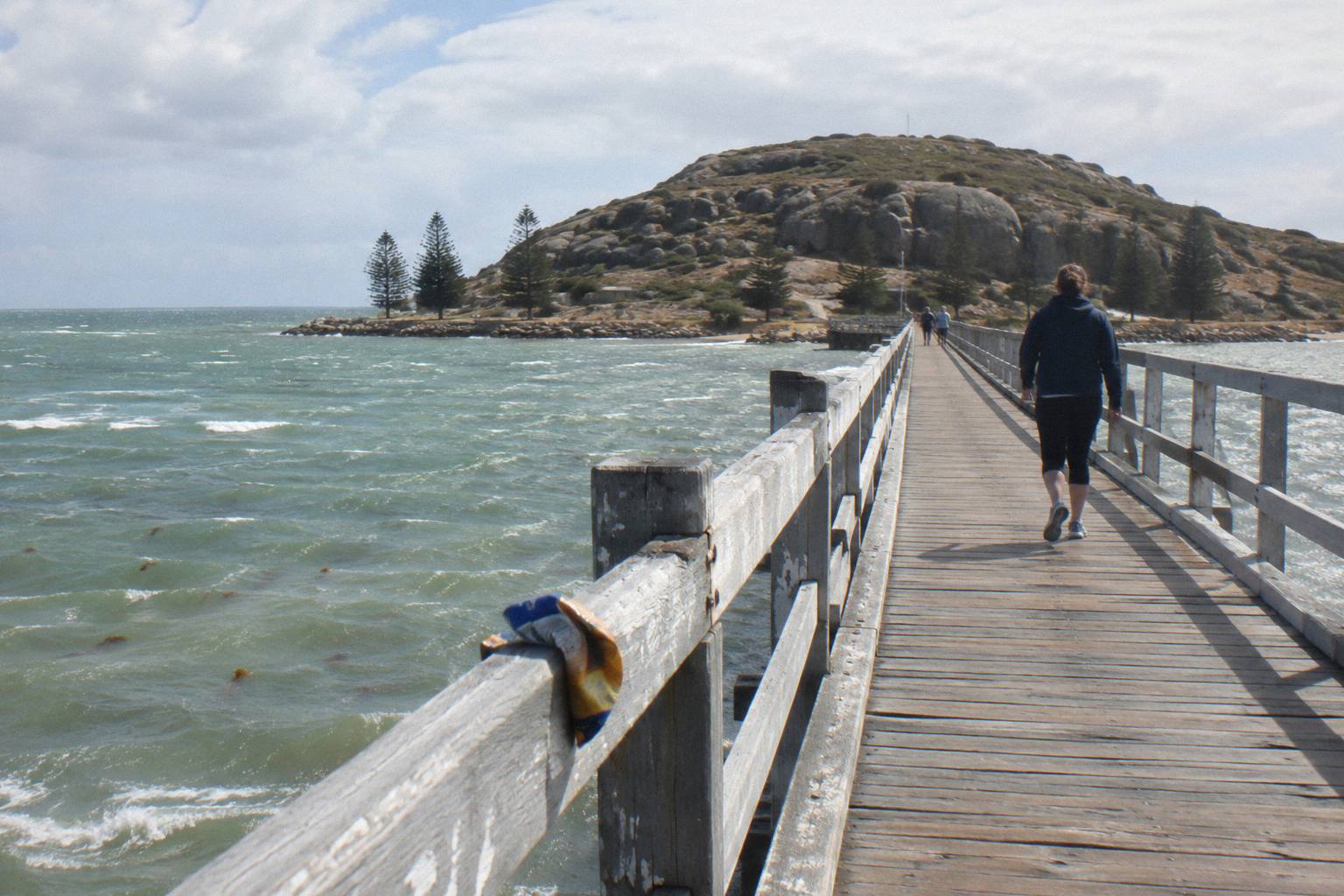
The Seal Island Cruise fills the gap when any of this goes wrong, and it earns its slot as the same-family, lower-commitment alternative. Forty-five minutes, from AU$55, a 12:45 pm departure, and the seals and seabirds the operator promises are resident rather than migratory.
A tour day can also be rescued from shore. The Kaiki Walk on Granite Island, a 2.9-kilometre loop taking about an hour, gives elevated water views for free, and the island's recreation park is open through the daytime subject to weather and fire-danger closures. Whale sightings from the clifftops get logged with the SA Whale Centre, whose report form doubles as a real-time picture of what the boats are finding.
Common Questions About Southern Right Whale Boat Tours
How Close Does The Boat Get To A Southern Right Whale?
Since 1 September 2025 the law sets the distances: a vessel holds at least 100 metres from a whale, 300 metres if there is a calf or the whale is inside the Encounter Bay Whale Nursery Protection Area, travels no faster than 4 knots within 300 metres and stays no more than 60 minutes near a whale.
Are Whale Sightings Guaranteed On The Southern Ocean Adventure?
No. Big Duck Boat Tours states that whales are seen where present and conditions permit, and sightings are not guaranteed. Routes are subject to change with weather and wildlife.
What Is The Best Month For A Southern Right Whale Tour At Victor Harbor?
July and August. The SA Whale Centre's season runs May to October and names July and August the most reliable months, and Big Duck Boat Tours describes its local whale season as June to September with the same July and August peak.
How Much Does The Whale Boat Tour Cost?
The Southern Ocean Adventure Cruise with Guide costs from AU$85 per person for 1.5 hours, rated 4.7 from 163 reviews. Amounts are Australian dollars, read from the booking page.
Can Children Go On The Whale Boat Tour?
Yes, from age 2. Big Duck's terms say children aged 2 to 15 travel with an adult, and the trip is not suitable for pregnant passengers.
What Happens If The Trip Is Cancelled For Weather?
Big Duck cancels in rough, unsafe conditions, typically notifying passengers the day before by text and email, and offers a full refund or a reschedule. Every tour covered here is refundable when the operator cancels for weather, and all carry free cancellation up to 24 hours before start.