Victor Harbor Whale Watching: Season, Boats, And What You See
Southern right whales return to Encounter Bay between May and October, and July and August are the months the SA Whale Centre and the local boat operator both call the most reliable. Everything below sets out the season, the rules that shape every boat trip, and how to choose a departure.
Short answer
Whale watching at Victor Harbor runs from May to October, with July and August the most reliable months. The Victor Harbor: Southern Ocean Adventure Cruise with Guide runs 1.5 hours from the Granite Island Causeway from AU$85 per person, and every roster boat tour offers free cancellation up to 24 hours before. Sightings depend on whales being present and conditions permitting.
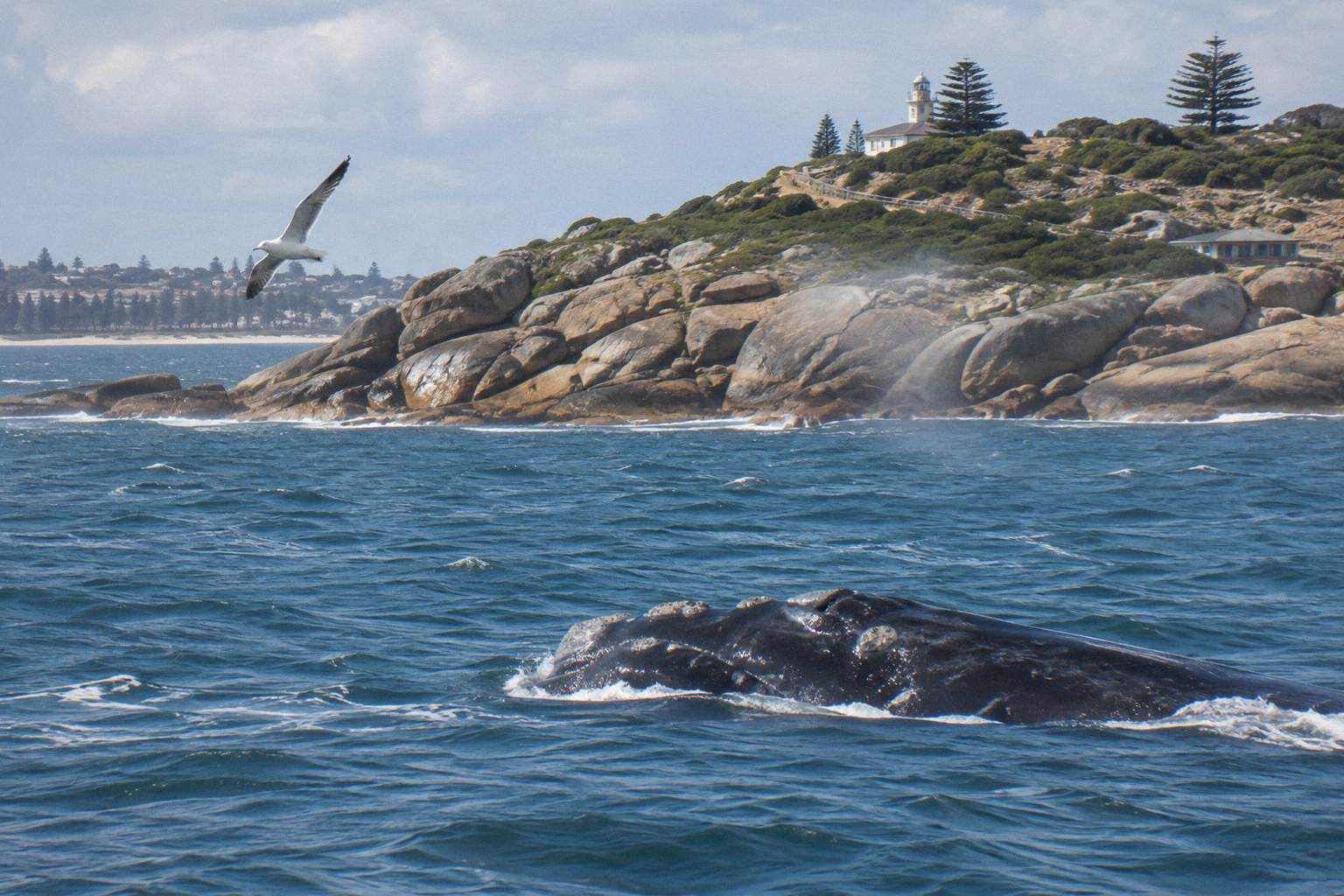
Southern right whales travel from sub-Antarctic waters to the southern Australian coast each winter, and Encounter Bay is one of the places they pause. The SA Whale Centre, which runs a sightings log from the old Railway Goods Shed at 2 Railway Terrace, describes a season running May to October, with the first whales usually seen in May and found until early October. The local boat operator Big Duck Boat Tours uses similar wording: its local whale season extends through June to September, with July and August the best or most reliable months. Neither promises a whale on any given day, and no honest planner should either.
| Quick fact | Detail |
|---|---|
| Season | May to October, first whales usually in May |
| Most reliable months | July and August, per the SA Whale Centre and Big Duck |
| Species most often discussed | Southern right whale |
| Core boat trip | Victor Harbor: Southern Ocean Adventure Cruise with Guide, 1.5 hours |
| Meeting point | Granite Island Causeway, Victor Harbor |
| From-price | AU$85 per person for the 1.5-hour cruise |
| Cancellation | Free up to 24 hours before on every roster tour |
| Shore lookout | SA Whale Centre, 2 Railway Terrace, open 7 days 10:00 am to 4:00 pm |
When Is Whale Watching Season In Victor Harbor?
The season runs from May to October, and the first whales are usually seen in May and can be found until early October, according to the SA Whale Centre. July and August are described as the most reliable time. Big Duck Boat Tours frames its local whale season as June to September and agrees that July and August are the best months. Neither source promises a sighting on a given day.
The overlap matters for planning. The SA Whale Centre's window is wider because it records whales seen anywhere around Encounter Bay, from boats and from shore lookouts alike. The operator's June to September window reflects when its boats are most likely to have whales within reach of their routes. If you can only travel in one month, July or August sits inside both windows, which is why every local source keeps pointing at the same two months.
The species behind the season is the southern right whale, a slow-moving coastal whale that cows use sheltered bays to calve in. Encounter Bay's significance is formal: the Encounter Bay Whale Nursery Protection Area is one of three such areas in South Australia, alongside Fowlers Bay and Sleaford Bay. The Ramindjeri people, of the lower Fleurieu and part of the Ngarrindjeri Nation, know the area as Kondilindjerung, described as the home of the whales, a reminder that the whale presence here long predates any boat tour.
| Month | Season status per the SA Whale Centre and operator wording |
|---|---|
| May | First whales usually seen, season opening |
| June | Operator's local whale season underway |
| July | Most reliable month, both sources |
| August | Most reliable month, both sources |
| September | Operator season extends through September |
| October | Whales can be found until early October |
A month-level view helps, but day-to-day matters just as much: whales move, and weather closes trips. The question of whether Victor Harbor whale tours get cancelled is worth reading before you lock in a date, because the answer shapes how you should book.
Which Boat Tour Fits A Whale Watching Day?
The Victor Harbor: Southern Ocean Adventure Cruise with Guide is the best fit for a whale watching day, running 1.5 hours from the Granite Island Causeway, from AU$85 per person, and rated 4.7 from 163 reviews. If time is short, the 45-minute Seal Island Cruise from AU$55 works well, while the Spirit of the Coorong 3.5-hour cruise from Goolwa, from AU$125, offers a longer alternative.
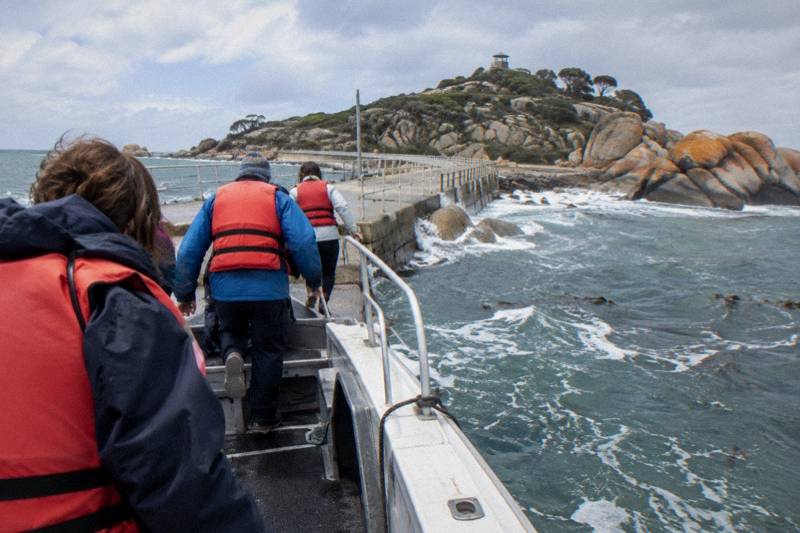
Whales on the Southern Ocean Adventure are seen where present and conditions permit, and the operator states plainly that sightings are not guaranteed. What the trip does guarantee is coastline: the route names Seal Island, Wright Island, The Bluff, West Island, Shark Alley, Kings Beach and the Waitpinga cliffs, all inside Encounter Marine Park, aboard the Pungari, a 12.5 metre NAIAD rigid-hulled inflatable. The same departure runs roughly at 10:45 am, with an extra 2 pm sailing when demand is busy, and boards from a landing about 300 metres out along the causeway, so allow walking time.
Choosing between them is mostly a question of time, tolerance for open water and what else the day holds. The 45-minute Seal Island Cruise keeps you close to the causeway, runs about 12:45 pm, and its price of AU$55 per person makes it an easy add-on around a Granite Island walk. The 1.5-hour trip spends longer searching and reaches further along the coast. If whales are the whole point of the day and you have the stomach for an open-ocean rigid inflatable, the longer trip is the one to weigh first.
The comparison below uses the booking-page from-prices, and all amounts are Australian dollars.
| Tour | Length | Start point | From-price | Rating |
|---|---|---|---|---|
| Victor Harbor: Southern Ocean Adventure Cruise with Guide | 1.5 hours | Granite Island Causeway | AU$85 per person | 4.7 from 163 reviews |
| Victor Harbor: Seal Island Cruise | 45 minutes | Granite Island Causeway | AU$55 per person | 4.7 from 112 reviews |
| From Goolwa: Half-Day Cruise into Coorong National Park | 3.5 hours | Goolwa Main Wharf | AU$125 per person | 4.8 from 179 reviews |
| From Goolwa: Murray Mouth Cruise | 90 minutes | Goolwa Main Wharf | AU$62 per person | 4.7 from 116 reviews |
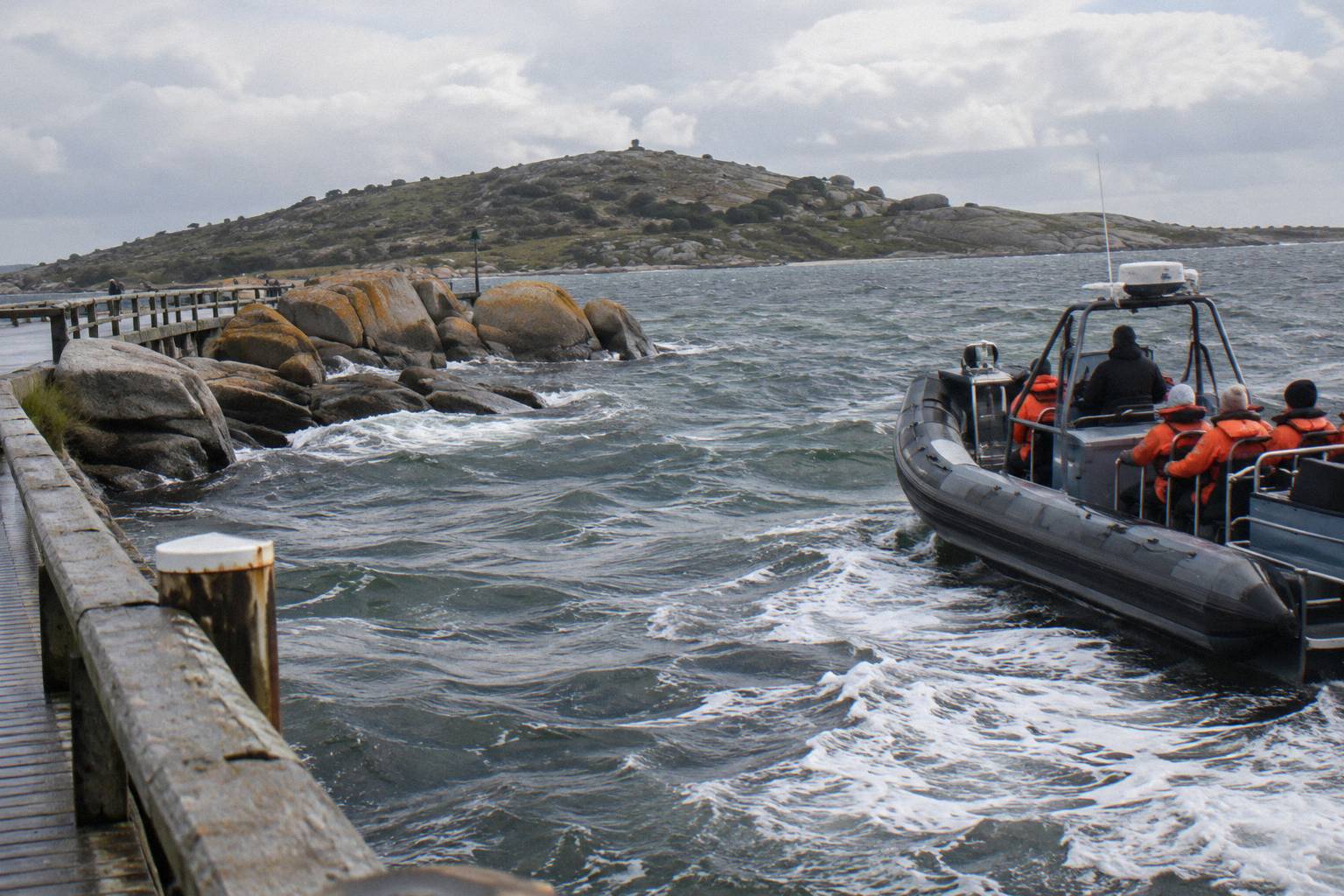
The 1.5-hour Southern Ocean Adventure is the featured trip for a reason: it is the only Victor Harbor departure whose route and vessel are documented stop by stop, and it is the trip the operator itself frames around the whale season. You can check availability for the Southern Ocean Adventure alongside the other options.
What Do The 2025 Whale Watching Rules Mean On The Water?
Since 1 September 2025, South Australia's new marine mammal regulations set the distances every tour boat keeps. A standard vessel may come no closer than 100 metres to a whale, and no closer than 300 metres if the whale is a calf or the boat is inside a protection area such as the Encounter Bay Whale Nursery Protection Area. Within 300 metres, boats travel at no more than 4 knots and spend no more than 60 minutes near the whale.
The detail worth knowing is the calf rule combined with the nursery area. Southern right whales calve in these bays, and a bay that is a declared protection area means the 300 metre limit applies broadly, not only when a calf is visibly present. Tour boats cannot chase, herd or wedge a whale against the shore; the rules exist so the animals rest, which is also why an operator describes sightings rather than promising them. Aircraft and drones must stay 300 metres away, and helicopters and gyrocopters 500 metres, so leave the drone at home.
| Situation under the 2025 regulations | Minimum distance a standard vessel keeps |
|---|---|
| Any whale, open water | 100 metres |
| A whale with a calf | 300 metres |
| Inside a protection area, such as the Encounter Bay Whale Nursery Protection Area | 300 metres |
| Speed limit within 300 metres of a whale | 4 knots |
| Maximum time near a whale | 60 minutes |
| Planes and drones | 300 metres |
| Helicopters and gyrocopters | 500 metres |
The official summary of the approach distances is published by the marine parks authority at the marine mammal viewing rules page, and the regulations themselves are available through South Australian legislation online. For a passenger, the practical effect is simple: the boat holds a legal distance, whales decide whether to come closer, and southern right whales occasionally do exactly that. Every good sighting you have ever heard about happened inside these limits.
Where Do The Boats Go, And What Might You See?
The Southern Ocean Adventure route runs from the Granite Island Causeway past Seal Island, Wright Island, West Island, Shark Alley, Kings Beach and the Waitpinga cliffs, beneath The Bluff, all inside Encounter Marine Park. Rosetta Head, the headland above The Bluff, stands 97 metres above sea level. Wildlife described by the operator on the shorter trips includes fur seals, sea lions and seabirds at Seal Island; whales appear where present and conditions permit.
Encounter Marine Park is not just scenery. It includes the Encounter Bay Sanctuary Zone, where fishing and extractive activities are not allowed, which is part of why the seal and seabird presence around the islands persists so close to a town. Tourism operations receive favourable consideration for permits in the park's framework, a point the marine parks brochure makes explicitly. The upshot for a passenger is that the waters your boat crosses are managed for the animals first.
The seals deserve their own billing. The operator's own wording for the Seal Island tour is that fur seals, sea lions and seabirds await, and while no official species list or approach distance is published for the island itself, the 45-minute trip is built entirely around that haul-out. Many whale watchers book both departures on the same day: seals at about 12:45 pm, ocean adventure at about 10:45 am, with the causeway walk and a lunch in between.
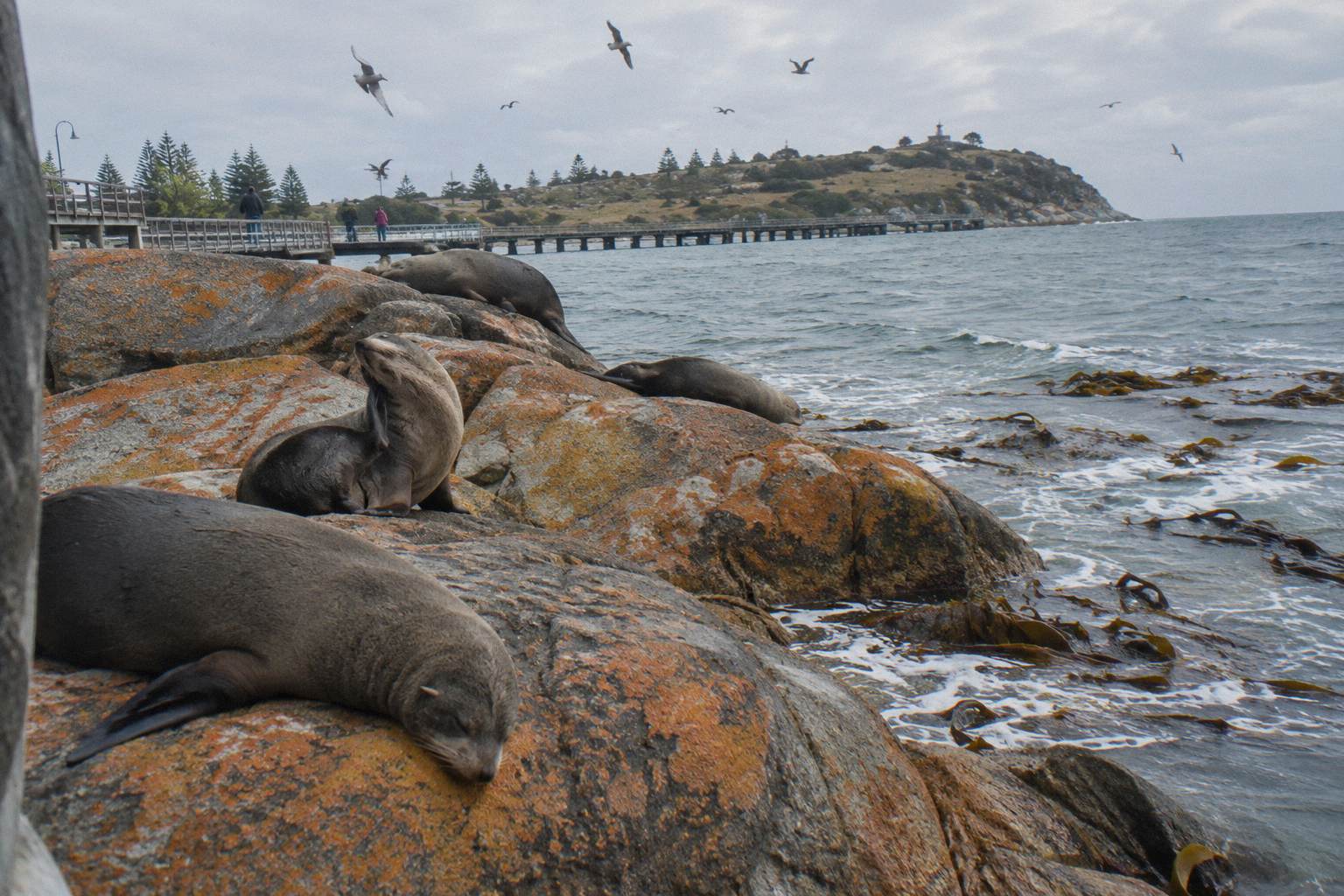
If your interest runs to wildlife more broadly than whales, the Victor Harbor wildlife boat tours overview lines up the seal, bird and whale options in one place.
What Does A Whale Watching Trip Cost?
The core 1.5-hour Southern Ocean Adventure starts from AU$85 per person, and the 45-minute Seal Island Cruise from AU$55 per person, both with Big Duck Boat Tours from the Granite Island Causeway. Both carry free cancellation up to 24 hours before, and the booking pages offer reserve now, pay later. The longer Goolwa-based cruises run from AU$62 to AU$170 per person depending on length. All amounts are Australian dollars.
Price differences track time on the water more than anything else. Roughly speaking you are paying per hour of boat, and the step from 45 minutes to 90 minutes buys both a longer search pattern and the further reaches of the coastline. The Coorong half-day cruise from Goolwa is a different product on a different waterway, but it earns a place in the comparison because many whale watchers build a two-day Fleurieu trip and split it between Encounter Bay and the Murray Mouth.
One caution on budgeting: the horse-drawn tram across to Granite Island is a separate purchase with tickets sold at the causeway, and fares are not printed here because they change. Whale tour prices on this page are the booking-page from-prices only, tied to their own tours. For a fuller breakdown across the site's departures, the whale watching tour prices guide walks through the arithmetic.
Planning Around Weather And Cancellations
Big Duck Boat Tours cancels departures in rough or unsafe conditions, usually notifying passengers the day before by text and email, with a full refund or a reschedule. Rain alone does not necessarily cancel a trip. Late arrivals get no refund, the minimum age is 2, children aged 2 to 15 travel with an adult, and the operator states the trips are not suitable for pregnant passengers. Every roster tour carries free cancellation up to 24 hours before.
The timing detail that catches people out is the boarding point. The vessel boards from a landing about 300 metres out along the causeway, and the causeway itself is about 650 metres each way, roughly a 20 minute walk at an easy pace. Arriving at the departure minute means a brisk walk over water, and arriving after it means no refund. Build in the walk, plus parking time in winter, when Victor Harbor's mean July maximum is 15.5 degrees and the mean minimum 6.6, per the Bureau of Meteorology's long-term averages for the Encounter Bay station.
Winter rain figures matter less than wind. June averages 83.4 millimetres of rain and July 79.7 millimetres at Victor Harbor, yet the operator's terms make clear that rain does not necessarily stop a trip; sea state does. The Bureau's climate averages for the area are published at the Victor Harbor climate table if you want to see the full monthly picture before picking dates.
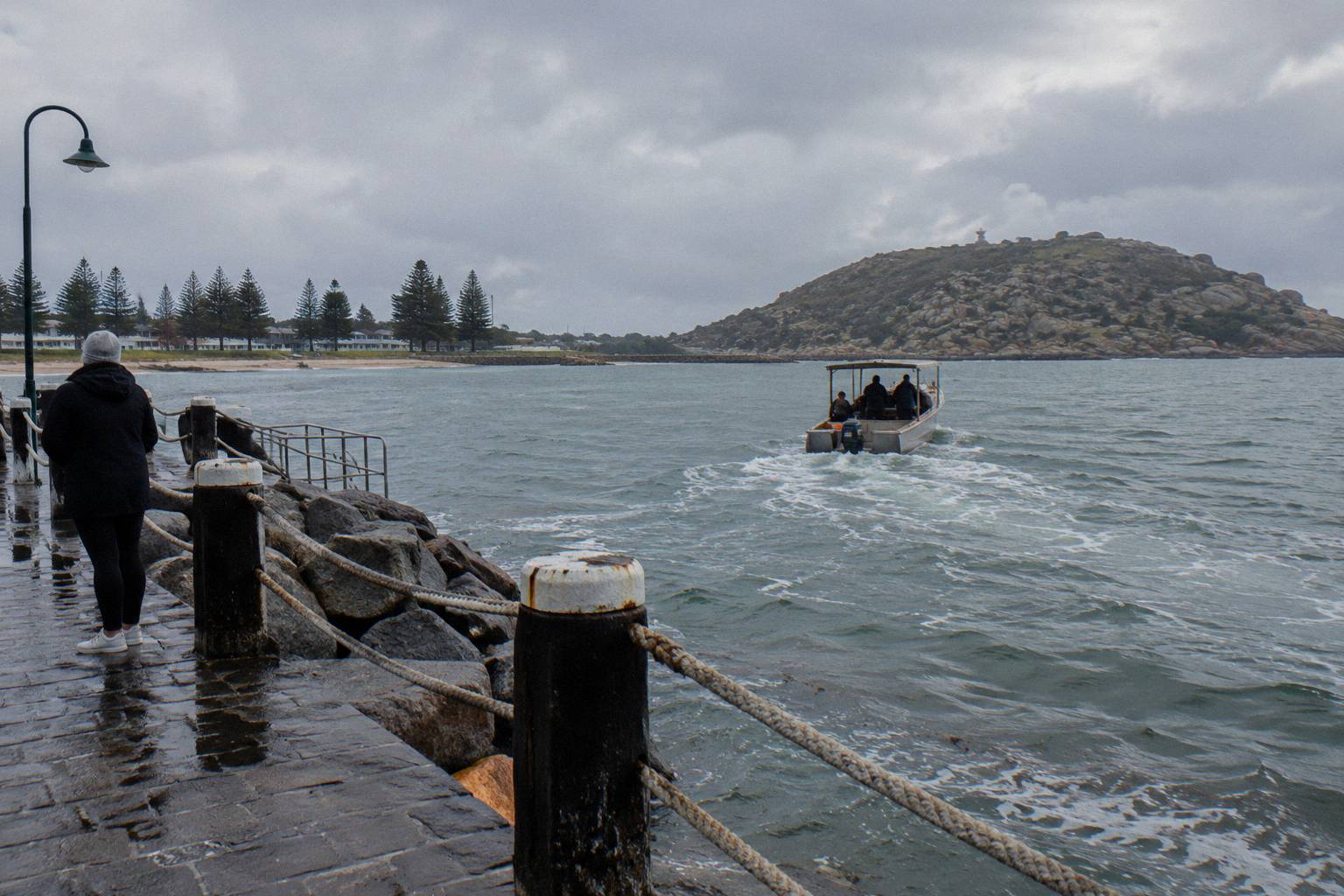
The Goolwa cruises have their own terms: the Murray Mouth cruise operates rain or shine but is subject to cancellation in strong winds. If your itinerary spans both towns on one day, a morning Big Duck cancellation does not automatically mean the afternoon Coorong trip is off, and vice versa. The paired reading is the guide to Victor Harbor tour sea conditions, which covers what forecasts actually close which trips.
Seeing Whales From Shore At Victor Harbor
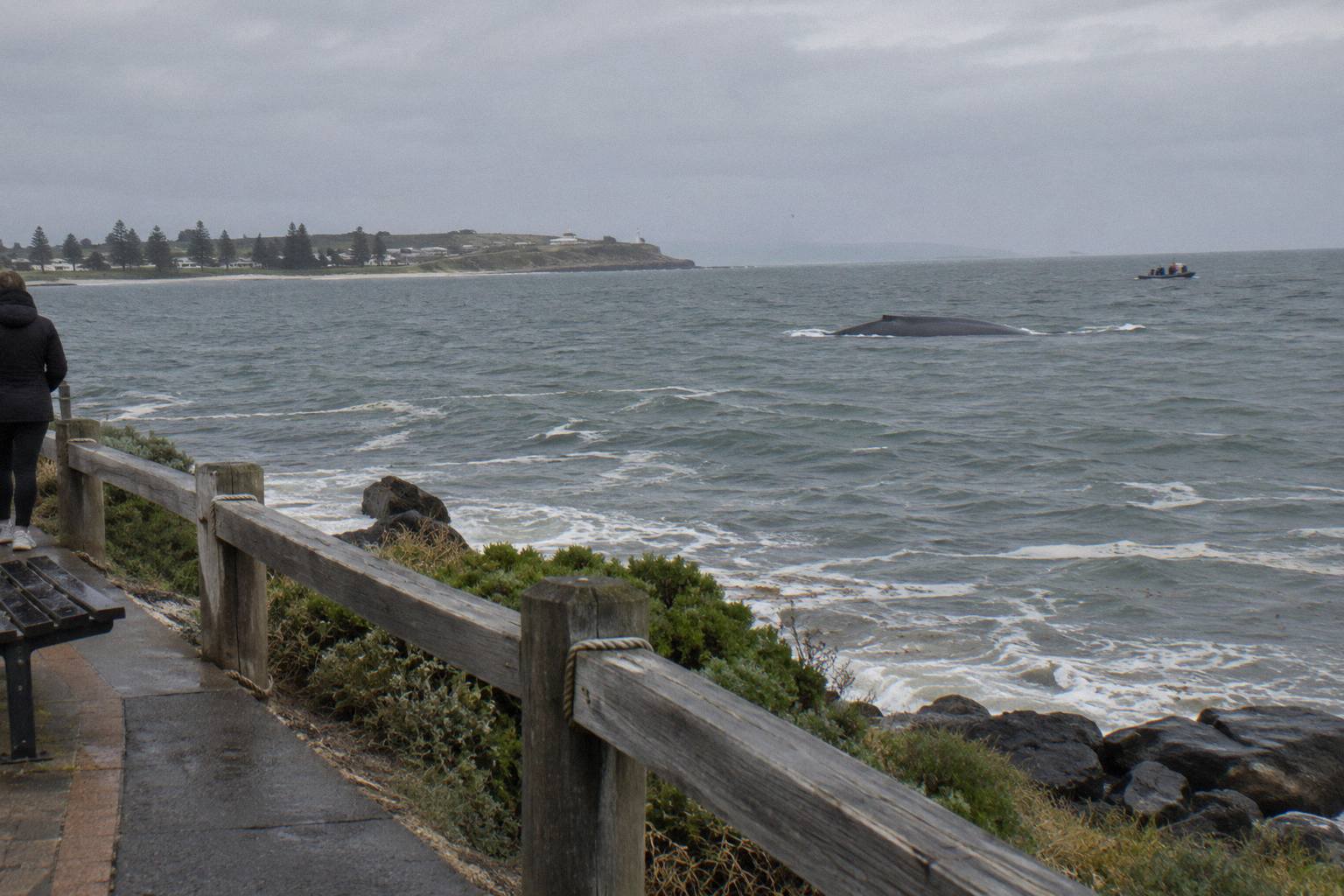
Yes, whales can be seen from shore, and the SA Whale Centre at 2 Railway Terrace, open 7 days from 10:00 am to 4:00 pm, is the hub for reports: it runs a sightings report form and a phone line on 08 8551 0750. Encounter Bay's headlands, including the 97 metre Rosetta Head above The Bluff, give elevation over the same waters the boats search. A shore sighting costs nothing and requires no booking.
The realistic framing is that shore watching and boat watching are different experiences. From the cliffs you scan a wide arc of sea, and a blow or a slow dark back is visible a long way off when the whales are in close. From the boat you are at water level inside the legal approach distances, closer than any lookout can get you. Plenty of visitors do both in one day: a morning cruise, then an afternoon walk of the Kaiki Walk loop on Granite Island, 2.9 kilometres and about an hour, with views back across the bay.
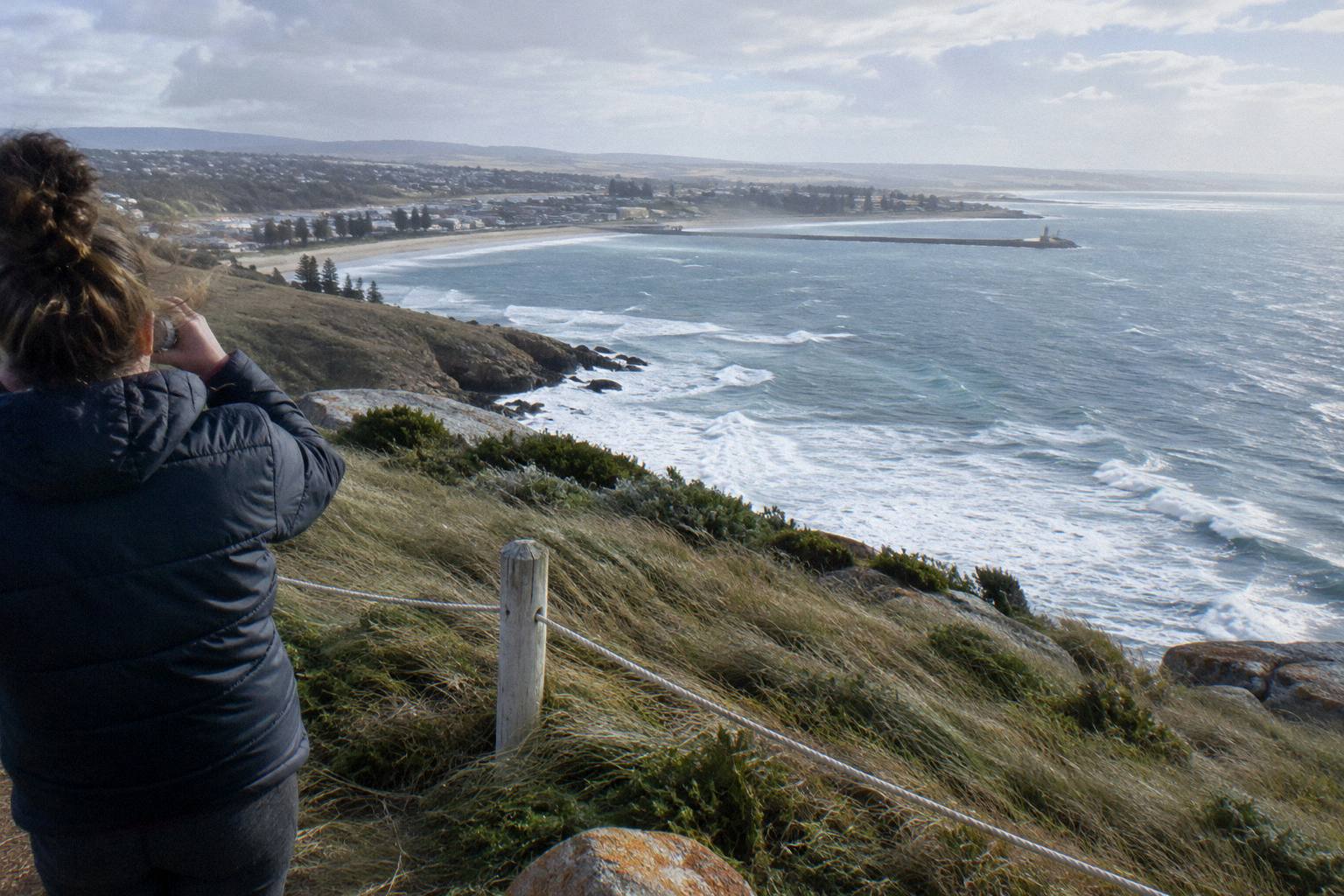
The sightings infrastructure is genuinely useful. Before booking a boat, a quick check of the SA Whale Centre's log, at the SA Whale Centre website, tells you whether whales are being reported in the bay at all. That is not a promise for tomorrow, whales move overnight, but it beats booking blind in, say, May or late September at the season's soft edges. The deeper dive on land-based watching is whether you can see whales from shore at Victor Harbor.
Mistakes That Spoil A Whale Watching Day
The recurring errors are booking the wrong month, arriving without walking time for the 300 metre boarding point along a 650 metre causeway, ignoring the sea-state forecast in favour of the rain forecast, and assuming a whale is guaranteed because one was seen yesterday. Two more: expecting the horse-drawn tram to be bookable online, when tickets are sold at the causeway, and treating Goolwa departures as interchangeable with Victor Harbor ones, which they are not.
Each mistake has a cheap fix. Book July or August if the whole trip exists for whales; check the SA Whale Centre log the day before; arrive early enough to park and walk the causeway; and read the wind forecast, not the rain radar. Dress for a July mean maximum of 15.5 degrees on land and colder on an open boat moving at speed; the operator's own advice is to bring a camera and weather-appropriate clothing. If the day looks marginal, remember the 24 hour free-cancellation window on every roster tour and move the booking rather than gambling on it.
Families should also check age rules before paying. The Big Duck trips set a minimum age of 2, with children aged 2 to 15 accompanied by an adult, and the operator states the open-ocean trips are not suitable for pregnant passengers. The walking tours run by Victor Harbor Walking Tours, from AU$35 per person, are the weatherproof fallback if the sea closes in, and the question of whether kids can go on a Victor Harbor whale tour is covered in full elsewhere.
Goolwa And The Coorong As A Second Water Day
Yes, Goolwa and the Coorong make an excellent second water day after Encounter Bay. The Spirit of the Coorong fleet departs from Goolwa Main Wharf at the end of Cutting Road, offering a 3.5-hour half-day cruise into Coorong National Park from AU$125 per person, rated 4.8 from 179 reviews, plus shorter and full-day options including a smoke ceremony. These are river and lagoon trips, not whale trips.
The geography explains the appeal. Goolwa sits on Lake Alexandrina near the Murray Mouth, where five barrages hold salt water out of the lakes, and the Murray Mouth is the only place salt, silt and nutrients flush from the entire Murray-Darling Basin to the sea. The Coorong itself stretches about 180 kilometres from the Murray Mouth to Kingston SE, its name from the Ngarrindjeri word Kurrangk, meaning long narrow neck, and the Coorong and Lakes Alexandrina and Albert have been a designated Ramsar site since 1 November 1985.
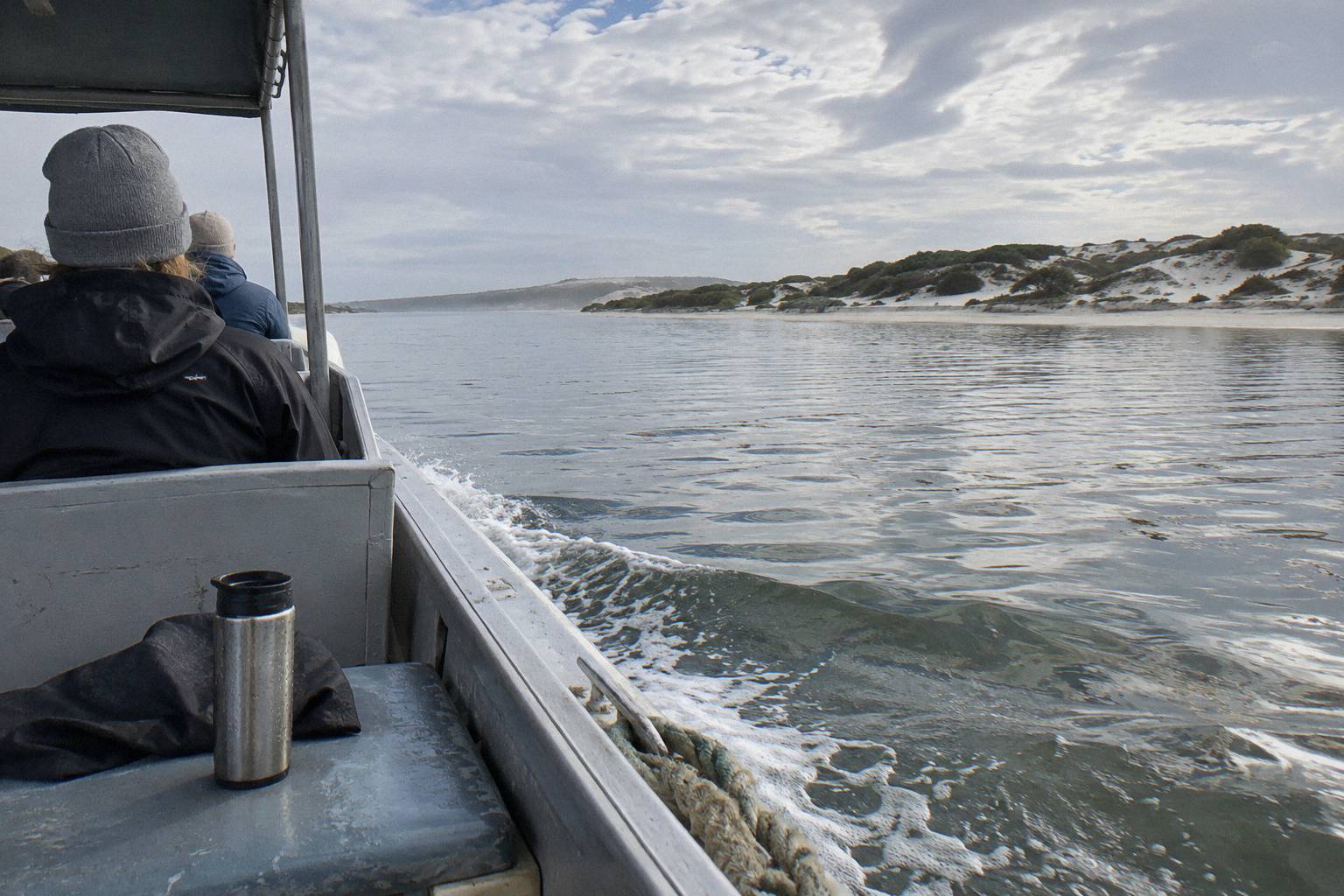
For whale watchers, the pairing works like this: an Encounter Bay morning for whales and seals, then, on a second day, the Coorong for pelicans, dunes and the meeting of the waters at the Goolwa Wharf Precinct, a place of significance to the Ngarrindjeri. Weather terms differ too: the Murray Mouth cruise operates rain or shine, subject to cancellation in strong winds, while the Coorong kayak trip from the same area is cancelled outright if forecast wind reaches 15 knots or above or lightning is possible.
Every choice above routes back to one operator's season wording, one wildlife centre's log, and one set of 2025 distance rules. Victor Harbor Tours keeps the whole comparison current across boat, walking and day-tour pages, so the decision you make in July holds up against the boat you actually board.
Common Questions About Whale Watching Trips
When Is Whale Watching Season In Victor Harbor?
The SA Whale Centre describes the season as May to October, with the first whales usually seen in May and found until early October. July and August are the most reliable months, and Big Duck Boat Tours frames its local whale season as June to September with July and August the best months.
Can A Whale Watching Tour Guarantee A Sighting?
No. The operator states that on the Southern Ocean Adventure whales are seen where present and conditions permit, and sightings are not guaranteed. Boats also hold legally set approach distances under the 2025 regulations, so closeness always depends on the whale.
How Much Does A Victor Harbor Whale Watching Boat Trip Cost?
The 1.5-hour Victor Harbor: Southern Ocean Adventure Cruise with Guide starts from AU$85 per person, and the 45-minute Seal Island Cruise from AU$55 per person. Both offer free cancellation up to 24 hours before, and amounts are Australian dollars.
How Close Can The Boat Get To A Whale?
Under the regulations in force since 1 September 2025, a standard vessel may come no closer than 100 metres to a whale, or 300 metres if the whale is a calf or the boat is inside a protection area such as the Encounter Bay Whale Nursery Protection Area. Speed within 300 metres is limited to 4 knots and time near the whale to 60 minutes.
Where Do The Whale Watching Boats Leave From?
The Big Duck trips meet at the Granite Island Causeway, Victor Harbor, and board from a landing about 300 metres out along the causeway, which is about 650 metres each way on foot. The Goolwa-based Spirit of the Coorong cruises leave from the Main Wharf at the end of Cutting Road, Goolwa.
What Happens If The Weather Turns Bad?
Big Duck cancels departures in rough or unsafe conditions, usually notifying passengers the day before by text and email, with a full refund or reschedule; rain alone does not necessarily cancel a trip. Every roster tour carries free cancellation up to 24 hours before the start.