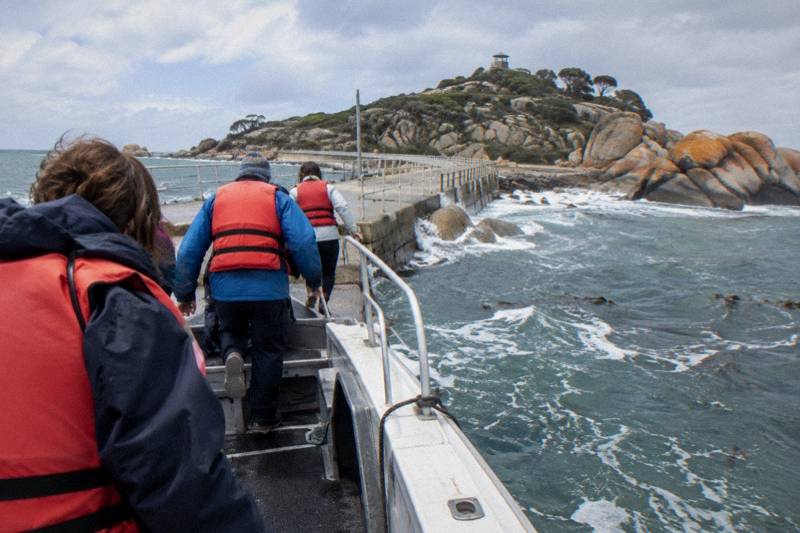
Whale Watching Season At Victor Harbor: Month By Month
The whale watching season at Victor Harbor runs from May to October, and the difference between a June trip and an August trip is the difference between a maybe and a good chance. Here is how each month of the season works, what the weather does, and how to time a booking.
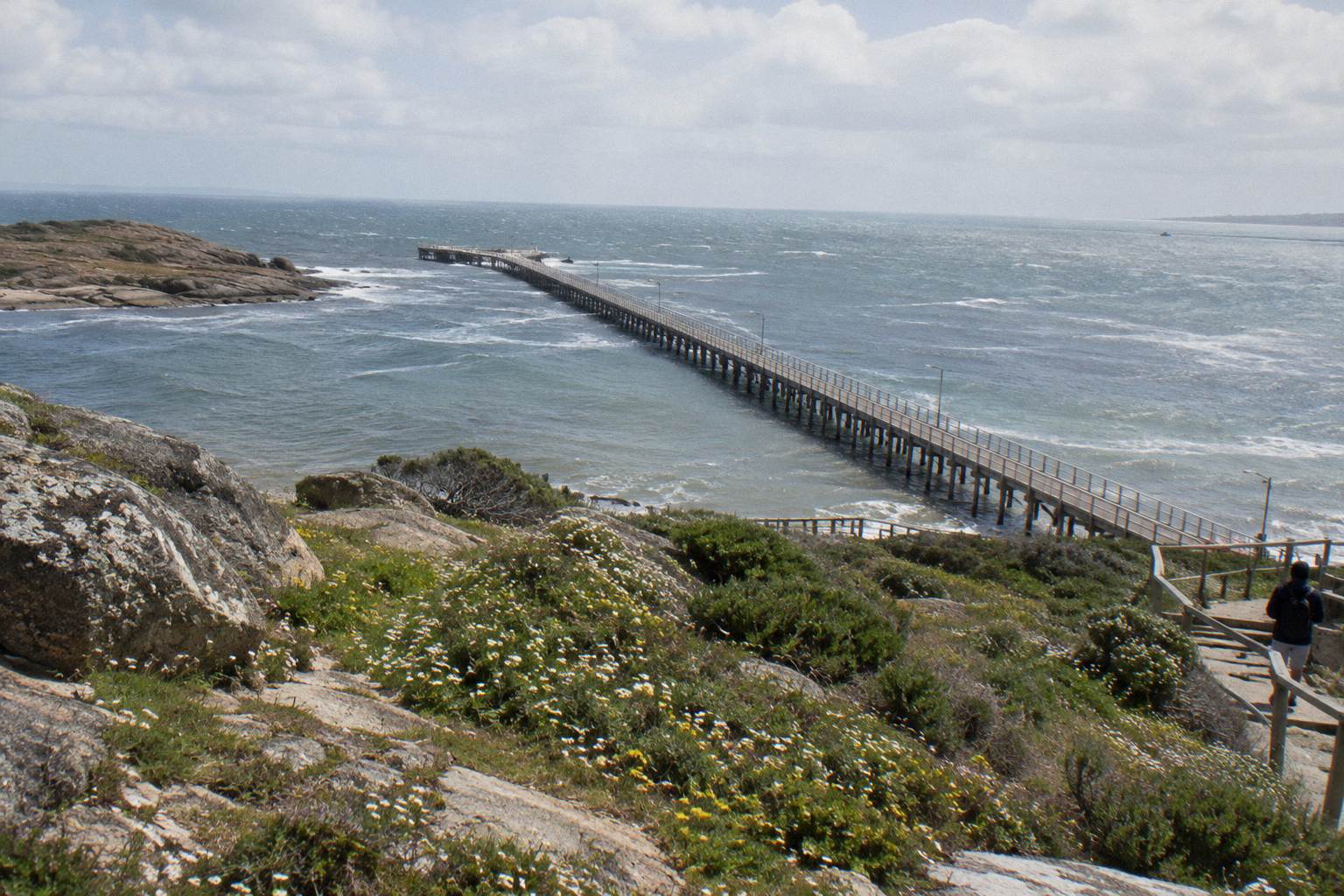
Short answer
The Victor Harbor whale watching season runs May to October, with July and August the most reliable months according to the SA Whale Centre and the local boat operator. Southern right whales are the anchor species. Boat tours run year round, but whales are seen only where present and when conditions permit, and sightings are never guaranteed.
Season timing decides whether a whale tour can be booked at all. Whales are not a year round fixture of Encounter Bay: they arrive on a schedule set by calving and migration, and a boat trip in February is a coastal sightseeing cruise, not a whale watch. The Victor Harbor Tours line-up runs through every month of the year, but if whales are the reason you are reading, the calendar below is where your planning starts.
For a wider view of how tours compare on the water, see the whale watching boat tours compared guide, and for a deeper dive on the species itself, the southern right whale boat tour page.
| Quick Fact | Detail |
|---|---|
| Season length | May to October, per the SA Whale Centre |
| Most reliable months | July and August |
| Operator season wording | June to September, best in July and August |
| Anchor species | Southern right whale |
| Key boat tour | Southern Ocean Adventure Cruise, 1.5 hours |
| From price | AU$85 per person |
| Cancellation | Free up to 24 hours before, full refund |
| Whale approach distance | 100 m minimum, 300 m for a calf or protection area |
When Is The Whale Watching Season At Victor Harbor?
The whale watching season at Victor Harbor runs from May to October. The SA Whale Centre states that the first whales are usually seen in May and can be found until early October, and names July and August as the most reliable time. The local operator Big Duck Boat Tours describes its own whale season as June to September, with July and August again the best months.
The two wordings are worth reading side by side because they answer slightly different questions. The SA Whale Centre, based at 2 Railway Terrace in the old Railway Goods Shed and open seven days from 10:00 am to 4:00 pm, reports what has actually been recorded along the coast, so its May to October framing captures the outliers. The operator's June to September wording describes the window in which it actively sells whale-focused trips, which is a narrower, more commercially honest claim. If you book a May trip you are betting on an early arrival; if you book an August trip you are betting on the peak.
Southern right whales are the species that makes this calendar work. They migrate from sub-Antarctic waters to the southern Australian coast to calve and nurse, and sheltered bays with slow surf suit them. Encounter Bay, known to the Ramindjeri people of the lower Fleurieu as Kondilindjerung, "the home of the whales", has a long association with exactly this behaviour, and the modern legal framework reflects it: the former Encounter Bay Restricted Area is now formally the Encounter Bay Whale Nursery Protection Area under South Australia's marine mammal regulations.
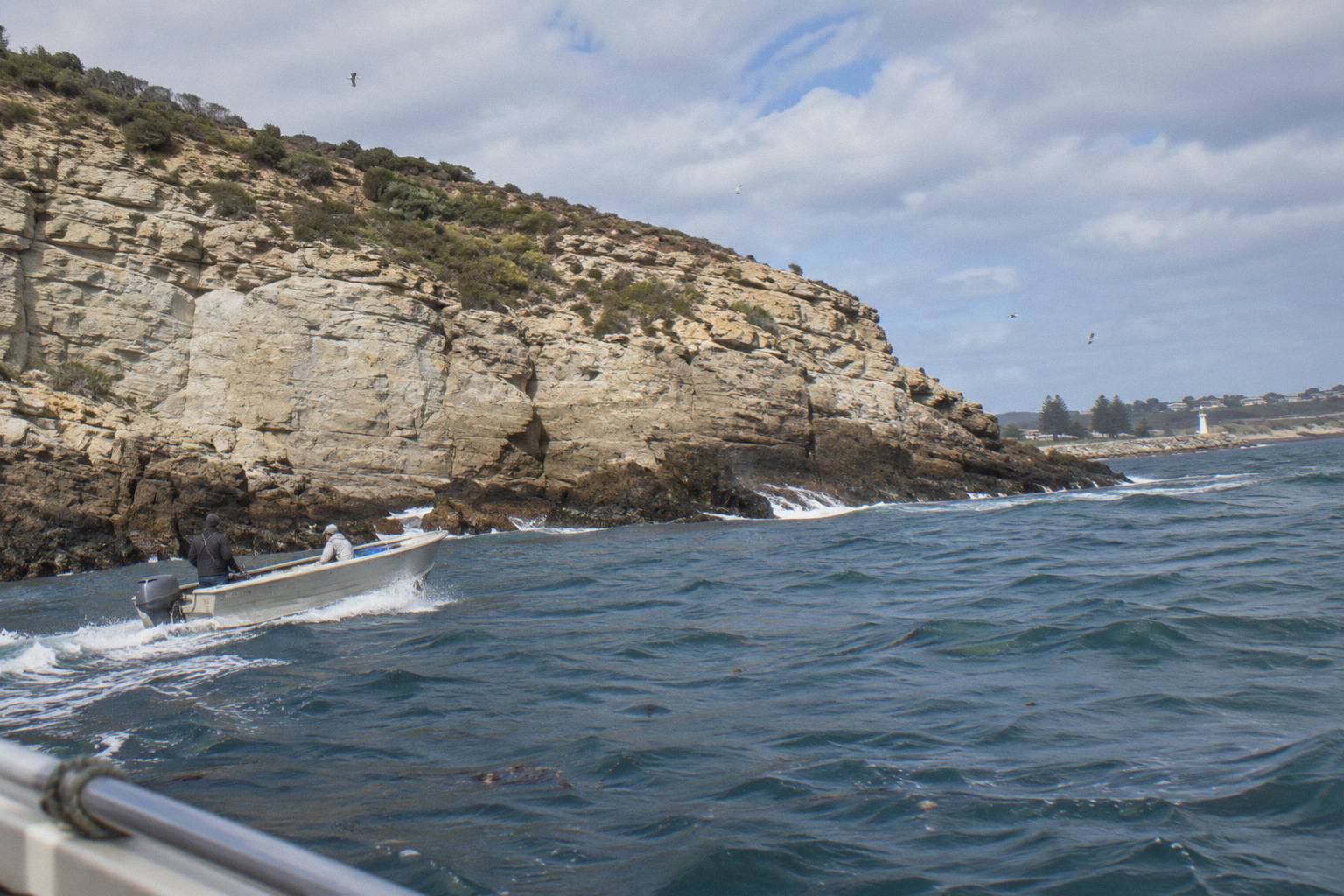
One point of honesty that belongs at the top of any season calendar: no tour at Victor Harbor guarantees a whale. The booking terms for Big Duck Boat Tours state that on the Southern Ocean Adventure whales are seen where present and conditions permit, and that routes are subject to change with weather and wildlife. A season calendar improves your odds; it does not convert them into a promise. The month you pick, the weather on the day, and the whales themselves all have a vote.
What Each Month Of The Season Looks Like
May opens the season with the first arrivals, June builds as more whales reach the coast, July and August are the reliable core, September thins out as whales begin the southward journey, and early October closes the window. No monthly sighting rate exists in any official source, so the month by month table reports season wording and climate, not invented probabilities.
That last clause matters. Plenty of travel content prints confident monthly percentages, "60 per cent chance in July", that trace back to nothing. Neither the SA Whale Centre nor the operator publishes monthly sighting rates, so this calendar sticks to what the season wording and the Bureau of Meteorology record actually support. What the official sources do give you is a clear shape: a soft opening, a firm middle, a soft close.
| Month | Season status | What the official wording supports |
|---|---|---|
| May | Season opens | First whales usually seen, per the SA Whale Centre |
| June | Early season | Operator season wording begins (June to September) |
| July | Peak begins | Named most reliable by SA Whale Centre and operator |
| August | Peak | Named most reliable by SA Whale Centre and operator |
| September | Late season | Final month of the operator's season wording |
| October | Season closes | Whales can be found until early October |
The practical read of that table: if your dates are fixed to school holidays or a long weekend, take the month you get and book the best tour for it. If your dates are flexible, aim at July or August and hold the booking loosely, since every tour in the line-up carries free cancellation up to 24 hours before departure for a full refund. That combination, flexible dates plus a refundable booking, is the strongest timing play available.
Why July And August Are The Most Reliable Months
July and August are the most reliable months because that is when the greatest number of whales, including calving mothers, are settled on the coast rather than in transit. Both the SA Whale Centre and Big Duck Boat Tours name these two months independently, which is as close to consensus as whale timing gets. The trade-off is demand: peak reliability means peak booking pressure.
The biology behind the peak is straightforward. Southern right whales spend roughly three to five months on the calving grounds, and mothers with newborn calves are the least mobile animals in the bay, moving slowly in shallow sheltered water while the calf grows. That is why the regulations are written the way they are: a vessel must stay at least 100 m from a whale, 300 m if the whale is a calf or the vessel is inside a protection area, travel no faster than 4 knots within 300 m, and spend no more than 60 minutes near an animal. The rules exist because the whales everyone most wants to see, mothers and calves, are the ones boats must be most careful with.
The demand side deserves equal planning weight. The Southern Ocean Adventure Cruise departs about 10:45 am, with an extra 2 pm sailing added when busy, which tells you the operator's own expectation of peak load. A July or August traveller who waits until arrival week to book may find the preferred departure already full. Booking early with the 24 hour free-cancellation terms costs nothing extra and can be cancelled if plans shift, which makes the early booking the low-risk move rather than the bold one.
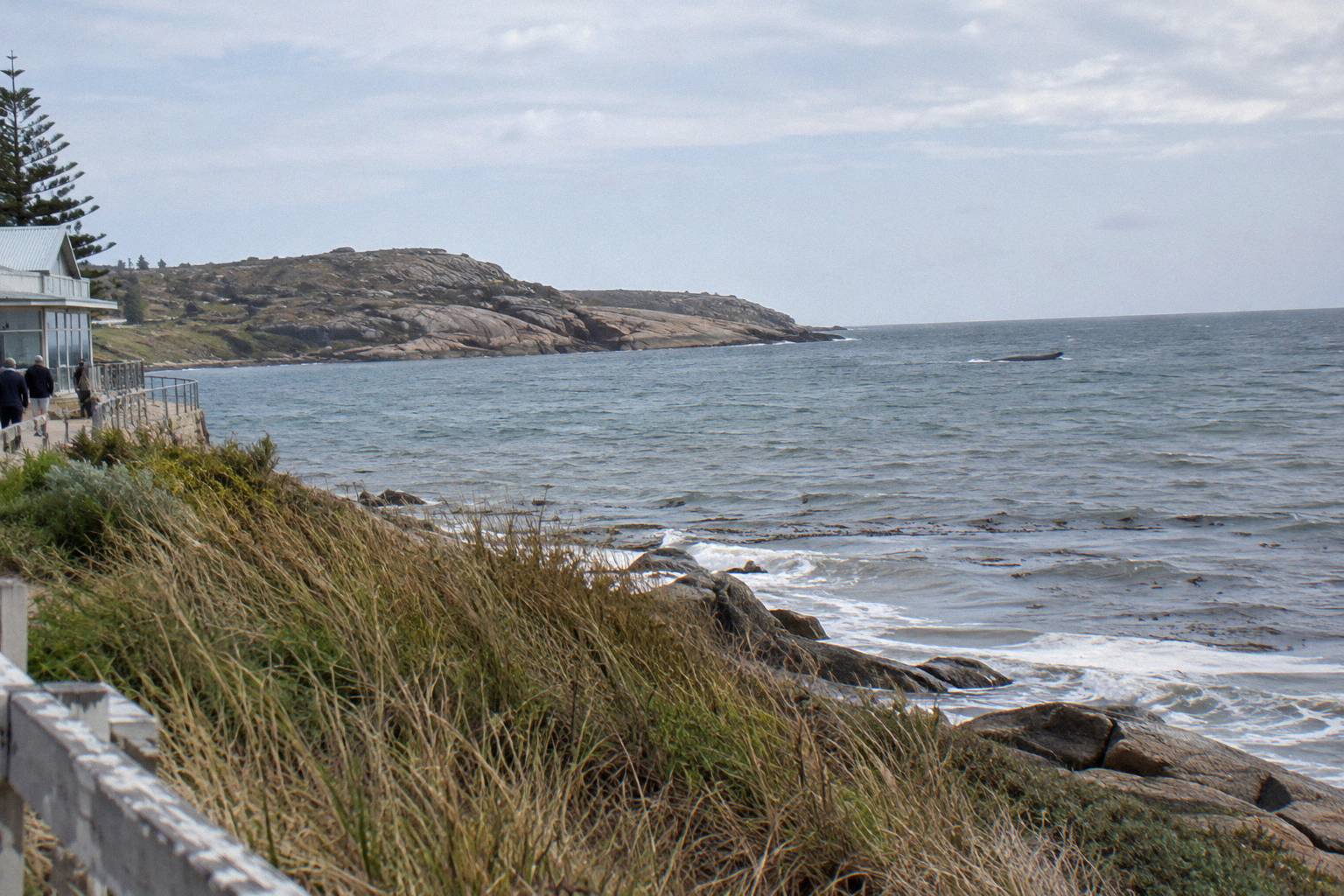
There is also a comfort case for the peak that surprises warm-weather travellers. July and August are winter, but the BOM averages for Victor Harbor show a mean maximum of 15.5 °C and 16.4 °C respectively, mild by winter standards, and the rainfall means of 79.7 mm and 72.8 mm for the month are spread across many days rather than concentrated. A calm July morning on the water can be the finest weather of a Victor Harbor visit. For more on the sea state question, the do Victor Harbor whale tours get cancelled post covers the operator's weather rules in detail.
Should You Book A Tour For June Or Wait For The Peak?
June is a legitimate booking month: the operator's own season wording runs from June, and the SA Whale Centre says whales are present from May, so June travellers are not gambling on an empty coast. The honest case for June is thinner crowds and easier availability; the case for waiting is a higher likelihood of whales. Use the free 24 hour cancellation as a hedge either way.
June sits in an interesting middle position. It is inside both season definitions, so a June booking is a real whale watch rather than a sightseeing cruise with optimism attached. It is also before the peak school-holiday pressure of July, which means departure times are easier to secure and the town is quieter. What June does not carry is the "most reliable" label, and a calendar page should not quietly award it one.
The hedge works like this: book the June date you want now, keep an eye on the SA Whale Centre's sightings reporting through the season's opening weeks, and if the season is running late, cancel within the free window and rebook for a July or August departure. The booking page carries free cancellation up to 24 hours before start for a full refund and a reserve now, pay later option, so the entire hedge costs nothing but attention. Sightings information flows through the SA Whale Centre, which publishes a sightings report form and can be reached on 08 8551 0750.
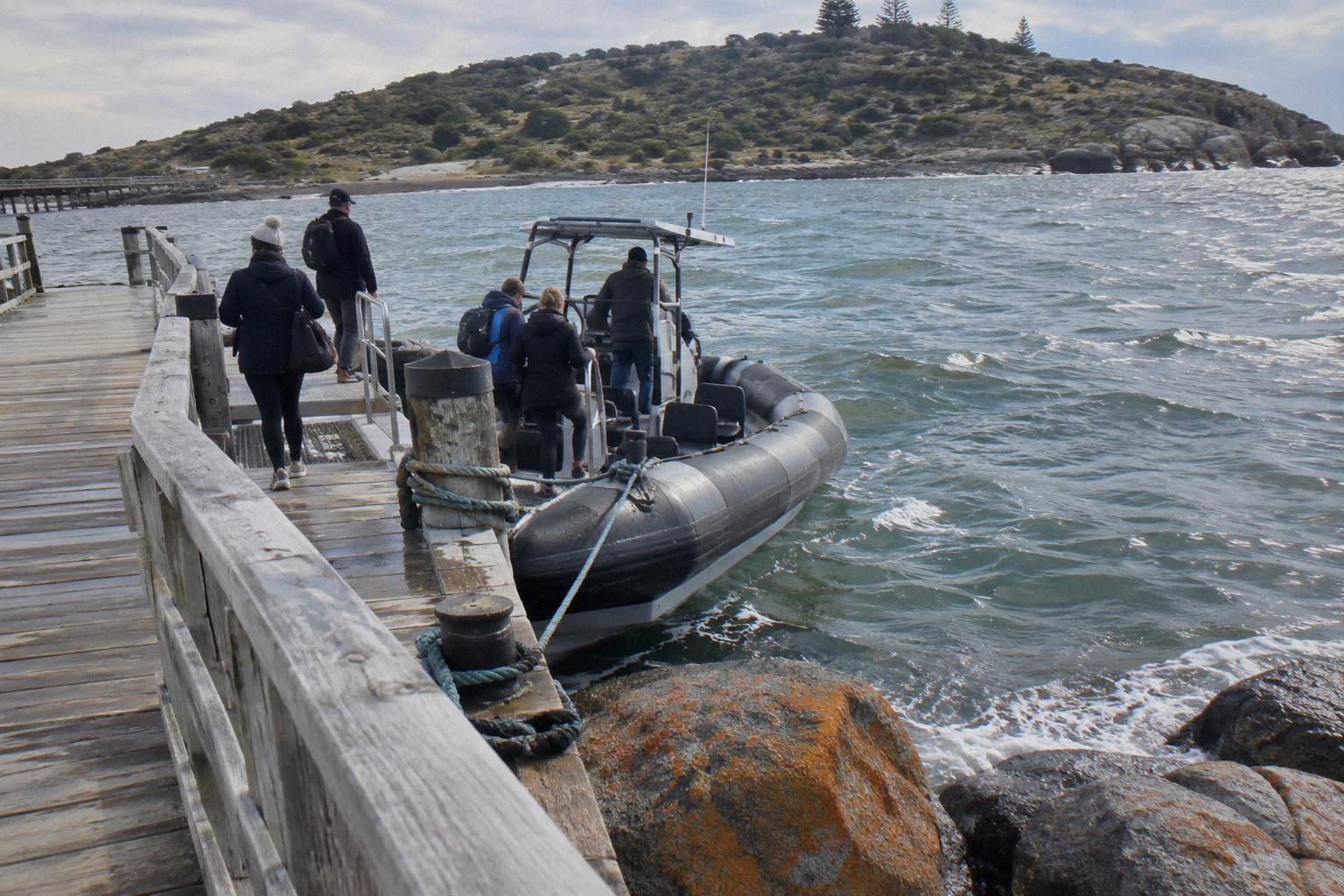
September asks the mirror image question. The operator's season wording still covers it, and early October remains inside the SA Whale Centre's window, but the trend is downward as whales begin moving south. A September trip pairs well with spring wildflowers and warmer mean maximums of 18.5 °C, and if whales are absent the tour becomes a coastline run past Seal Island, Wright Island, The Bluff, West Island, Shark Alley, Kings Beach and the Waitpinga cliffs, all inside Encounter Marine Park. That fallback has genuine value, which is why shoulder-month bookings are not foolish, just differently weighted.
What The Weather Does Month By Month
The climate record for Victor Harbor shows why the whale season and winter overlap so completely: mean maximums run 18.6 °C in May, fall to 15.5 °C in July, and climb back to 20.6 °C in October, while rainfall peaks across June to August. These are Bureau of Meteorology long term averages from the Victor Harbor station, and they describe what a season-month day typically feels like.
The table below is the Bureau's own data for the Victor Harbor station, and it is the honest companion to any season calendar because it separates the two questions travellers blur together: are whales present, and is the day pleasant. Those are independent. A warm April day has no whales; a cool, still July morning may have both whales and the best light of the year.
| Month | Mean max (C) | Mean min (C) | Mean rainfall (mm) |
|---|---|---|---|
| May | 18.6 | 8.8 | 60.7 |
| June | 16.2 | 7.2 | 83.4 |
| July | 15.5 | 6.6 | 79.7 |
| August | 16.4 | 6.8 | 72.8 |
| September | 18.5 | 7.7 | 55.4 |
| October | 20.6 | 9.1 | 40.3 |
Read down the rainfall column and note what it does not say. A mean of 83.4 mm across June does not mean a washed out month; it means roughly that volume distributed over the month's days, interspersed with clear spells. Rain alone does not necessarily cancel a Big Duck departure, per the operator's booking terms; it is rough and unsafe sea conditions that cancel trips, typically notified the day before by text and email with a full refund or reschedule. The planning takeaway is to pack for cool and variable rather than to fear the rainfall column.
The cold-water detail that matters more than rainfall is wind, and wind governs every departure decision. The Murray Mouth cruise run by Spirit of the Coorong states it operates rain or shine but is subject to cancellation in strong winds, and the Coorong kayak trips cancel outright when forecast wind reaches 15 knots or lightning is possible. The same physics applies in Encounter Bay even though Big Duck publishes a vessel-specific policy. If your dates sit at the edge of the season and you want a same-week backup, a land based option is the sensible pairing; the can you see whales from shore at Victor Harbor post maps those viewpoints.
Whale Rules That Shape Every Season Tour
Every licensed boat in Encounter Bay operates under South Australia's marine mammal regulations, replaced in their current form on 1 September 2025, and those rules set the geometry of every whale encounter: 100 m minimum distance, 300 m for a calf or inside a protection area, 4 knots within 300 m, and no more than 60 minutes with an animal. Tour vessels are not exempt from any of it.
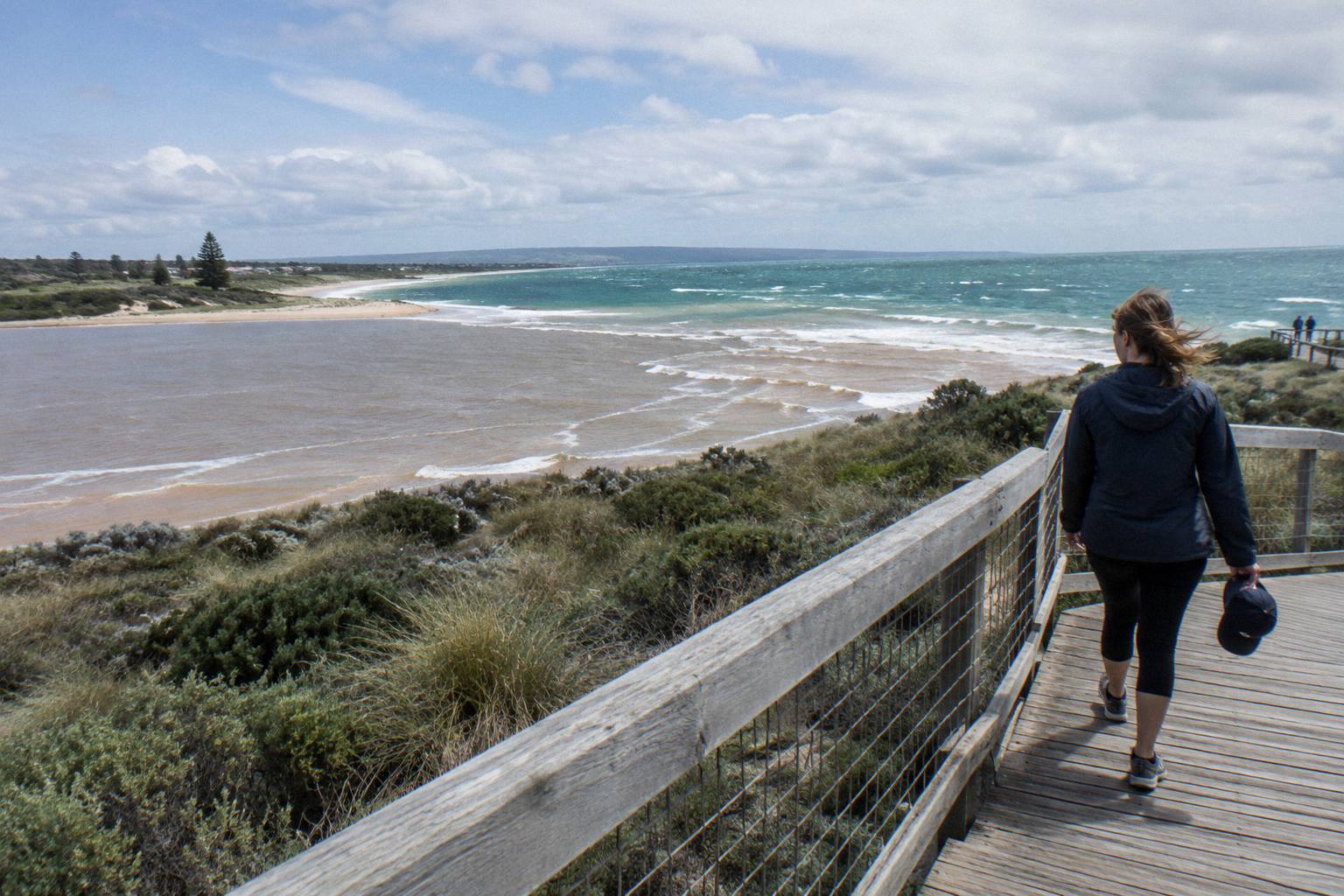
The current regulations, No 63 of 2025, replaced the 2010 regulations from 1 September 2025, and they tightened the language around the places whales give birth. The former Encounter Bay Restricted Area is now the Encounter Bay Whale Nursery Protection Area, one of three such areas in South Australia alongside Fowlers Bay and Sleaford Bay. Inside it, the 300 m calf distance applies broadly, which in practice means a boat touring the bay in August is working inside a rules landscape that assumes mothers and calves may be anywhere. The full framework is published by SA Marine Parks.
Airspace is regulated too: planes and drones must stay 300 m from a marine mammal, helicopters and gyrocopters 500 m, and prescribed vessels such as jet skis must keep 300 m from any marine mammal. For a visitor, the relevant consequence is simple: the photographs that come off a licensed tour are taken from lawful distances with a long lens, and a whale that approaches the stationary boat of its own accord is a different event from a boat steering toward a whale. The former happens; the latter is an offence.
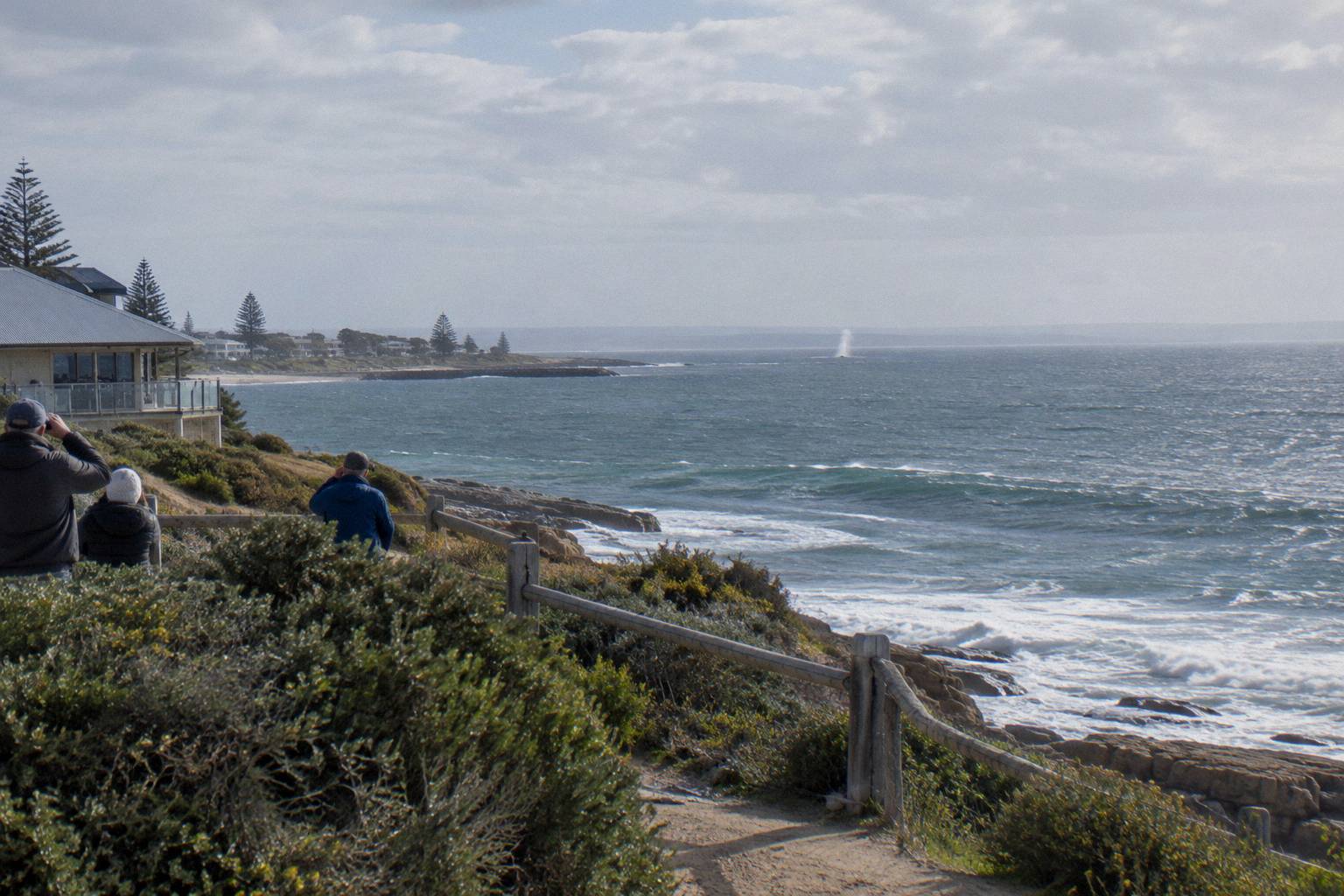
None of this reduces the experience; it defines it. A 100 m pass from a 15 metre southern right whale is a close encounter by any measure, and the slow, quiet, regulated manner of the approach is precisely what lets whales stay settled in the bay all season. When you read that Big Duck's routes are subject to change with weather and wildlife, the wildlife half of that sentence is the skipper applying these distances and the 60 minute limit in real time. For the same reason from the traveller's side, the what to wear on a Victor Harbor boat tour post matters more than most packing questions.
Which Tours Make Sense In Which Month?
In the peak months of July and August, the Southern Ocean Adventure Cruise is the purpose-built choice, running 1.5 hours from the Granite Island Causeway from AU$85 per person with a 4.7 rating from 163 reviews. In shoulder months, pair a whale attempt with tours whose value does not depend on whales, and off season the wildlife and coast tours simply continue.
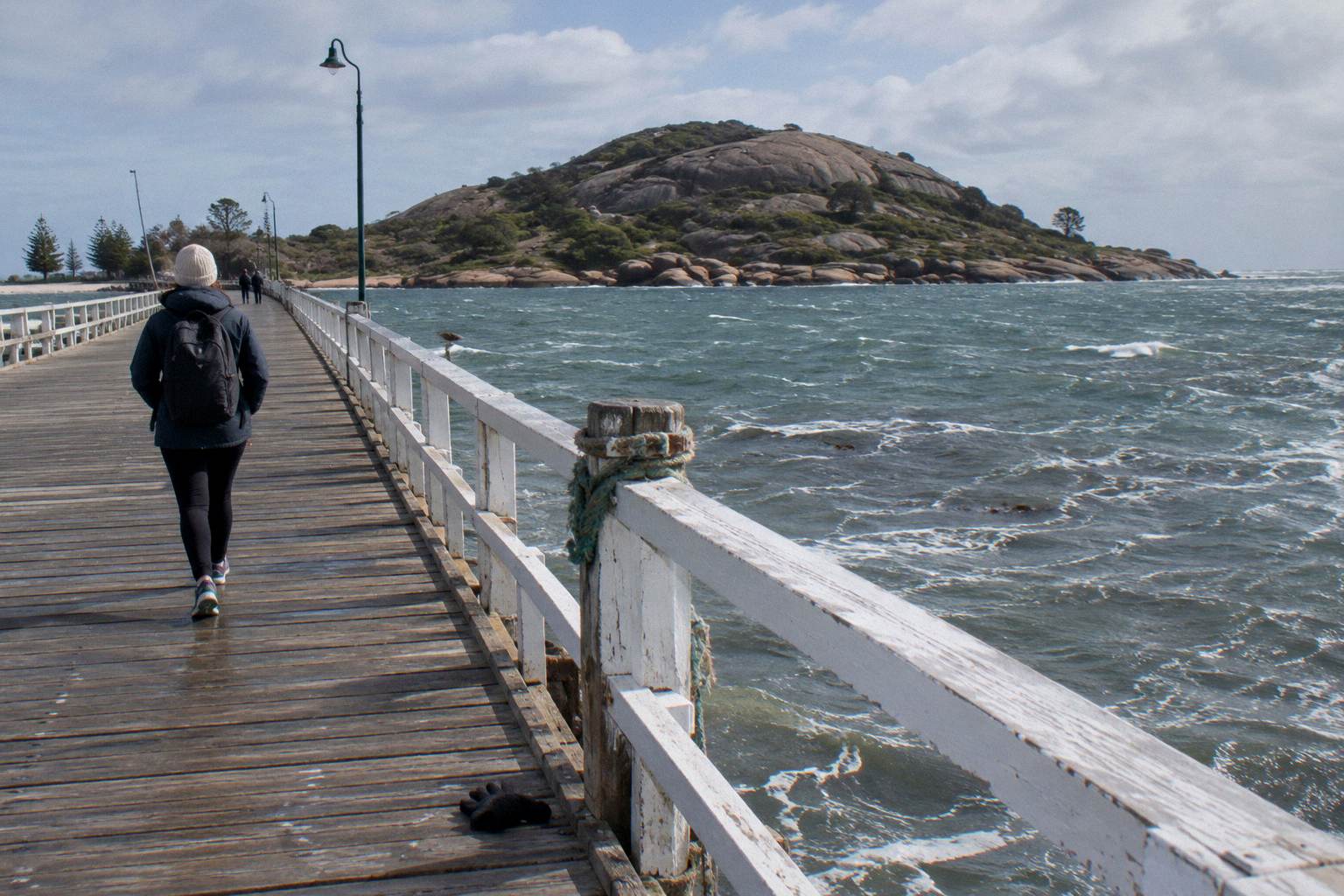
The distinction is between tours that sell the possibility of whales and tours that sell a coast that happens to hold whales in season. The Southern Ocean Adventure is the first kind: its named route, the Seal Island to Waitpinga cliffs run, is the whale coast, and its season wording matches the whale calendar. It departs about 10:45 am, with an extra 2 pm sailing when busy, boards from a landing about 300 m out along the causeway, and carries a minimum age of 2 with children aged 2 to 15 accompanied by an adult. Its 4.7 rating from 163 reviews is the largest review pool among the local boats.
The seal cruise is the second kind, and it is a better shoulder-month buy than its price suggests. At 45 minutes and from AU$55 per person, rated 4.7 from 112 reviews, it is the shorter, calmer-water commitment, departing about 12:45 pm, and the operator describes fur seals, sea lions and seabirds at Seal Island in wording the tour has used consistently. Whales are not its premise, which in May or September makes it the steadier choice, and its free 24 hour cancellation matches the rest of the roster.
| Tour | Length | From price | Best season fit |
|---|---|---|---|
| Southern Ocean Adventure Cruise | 1.5 hours | AU$85 per person | July and August peak |
| Seal Island Cruise | 45 minutes | AU$55 per person | Any month, steadiest in shoulder season |
| Coorong Half-Day Cruise | 3.5 hours | AU$125 per person | Weather fallback, no whale dependency |
| Surf Lesson at Middleton | 2 hours | AU$59 per person | Off season, November to April |
Travellers basing themselves in Adelaide have a different calendar problem: the drive is about 84 km, roughly 1 hour 15 minutes, so a day tour converts the season question into a same-day question. The From Adelaide: Victor Harbor & Fleurieu Peninsula Day Tour runs 8 hours from AU$149 per person, rated 4.6 from 124 reviews, with hotel pick-up, and the booking page's free cancellation terms apply to it as well. Its whale exposure depends on whether a boat segment is added on the day; its coastline exposure is built in.
Beyond the boats, two season-proof options are worth holding in mind for windy or whale-free days. The Coorong half-day cruise from Goolwa, 3.5 hours from AU$125 per person and rated 4.8 from 179 reviews, travels waters the whales never use but the weather rarely cancels except in strong winds. The two walking tours of Victor Harbor, each 1.5 hours or 75 minutes from AU$35, are the all-weather fallbacks; the Victor Harbor walking tours guide covers both.
The full-day Coorong cruise with a welcome smoke ceremony, 6 hours from AU$170 per person and rated 4.8 from 23 reviews, is the deeper version of the same water, and a strong pairing with a July or August Victor Harbor stay that wants a second day on the water with different scenery. Both Spirit of the Coorong departures leave from the Main Wharf at the end of Cutting Road in Goolwa.
For families whose children are too young for the 2-and-up boat rules to feel comfortable, or for travellers who prefer to stay out of the water entirely, the 2-Hour Surf Lesson at Middleton Beach from AU$59 per person, rated 4.7 from 33 reviews, runs on a beach between Port Elliot and Goolwa and depends on waves rather than whales. It is the clearest example on the roster of a tour whose season never closes.
Booking Timing, Cancellation And The Weather Gamble
Book as early as your dates are firm, because every tour in the line-up carries free cancellation up to 24 hours before departure for a full refund, so early booking holds a seat at no risk. The operator cancels departures in rough or unsafe sea conditions, typically notifying passengers the day before by text and email. Late arrivals get no refund, so the day itself is about punctuality.
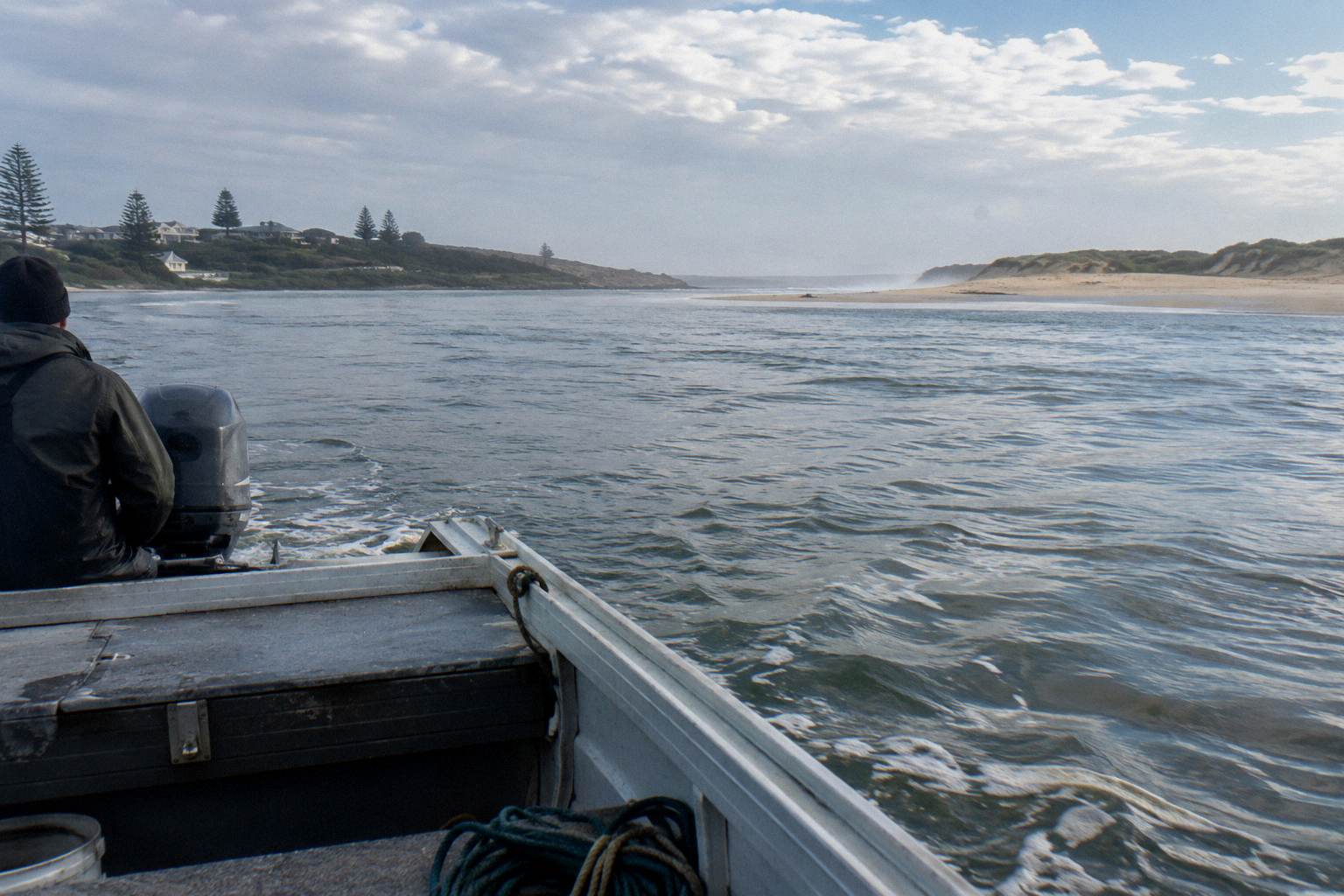
The cancellation structure is the same across the roster, which makes timing strategy simple: the cost of booking early is zero. The asymmetry runs entirely one way. Waiting risks a full departure in peak months; booking early risks only the small effort of cancelling if plans change, provided it is done more than 24 hours out. The one edge case is short-notice weather cancels by the operator, which the Big Duck booking terms acknowledge can happen, and in those cases the refund or reschedule comes from the operator's side.
Read the weather policy as a season traveller, not a day traveller. Rough conditions cluster in particular weather patterns, so if your stay allows two or three possible tour days inside one week, you effectively multiply your chances: book the first suitable day, and if it cancels, rebook within the same stay using the flexible terms. A one-night stay in August with a single morning available is the highest variance play in whale tourism, and no calendar can fix it.
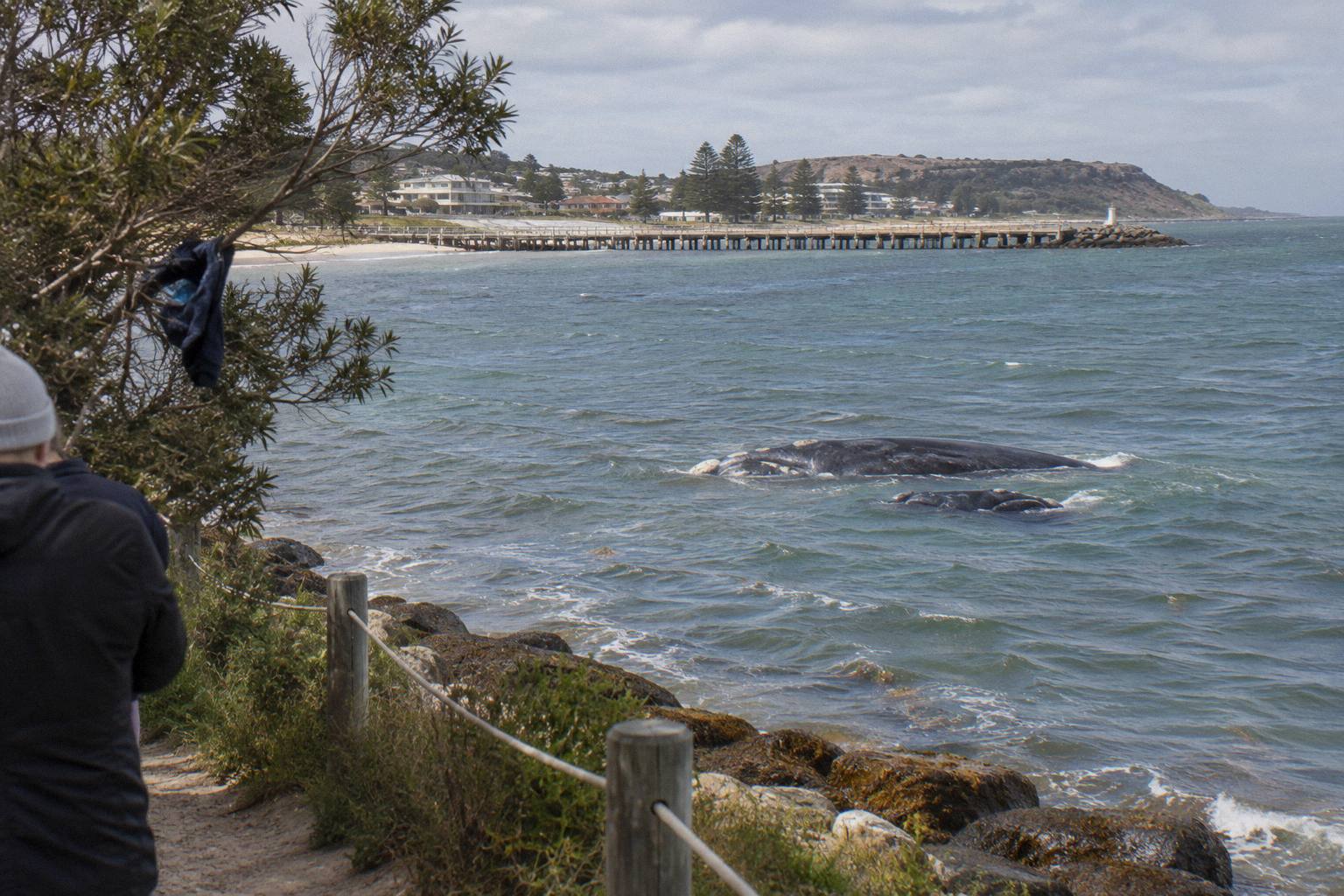
The clothing half of the weather question is covered in detail elsewhere on the site, but the season summary is short: BOM means put July mornings near 6.6 °C at the wharf, so layered clothing and a weatherproof outer layer are the standard kit, and the operator's own advice is a camera and weather-appropriate clothing. The Southern Ocean Adventure's terms note it is not suitable for pregnant passengers, a detail worth knowing before rather than after booking.
What Mistakes Do People Make With Season Timing?
The five repeated mistakes are: booking outside May to October and expecting whales, treating a June or September booking as peak-equivalent, assuming a sighting is guaranteed because it is peak season, packing for summer because the trip falls in a school holiday period, and booking only one possible tour day on a short stay with no weather fallback. Each is avoidable with a refundable booking and a shoulder plan.
The first mistake is the most common and the most expensive in expectation terms. Victor Harbor in January is a superb beach town; it is not a whale town. Boats run year round, the coast and the seals do not migrate, but the whale premise exists only inside the season window, and a traveller who understands that plans a different kind of day outside it rather than a disappointed one inside it.
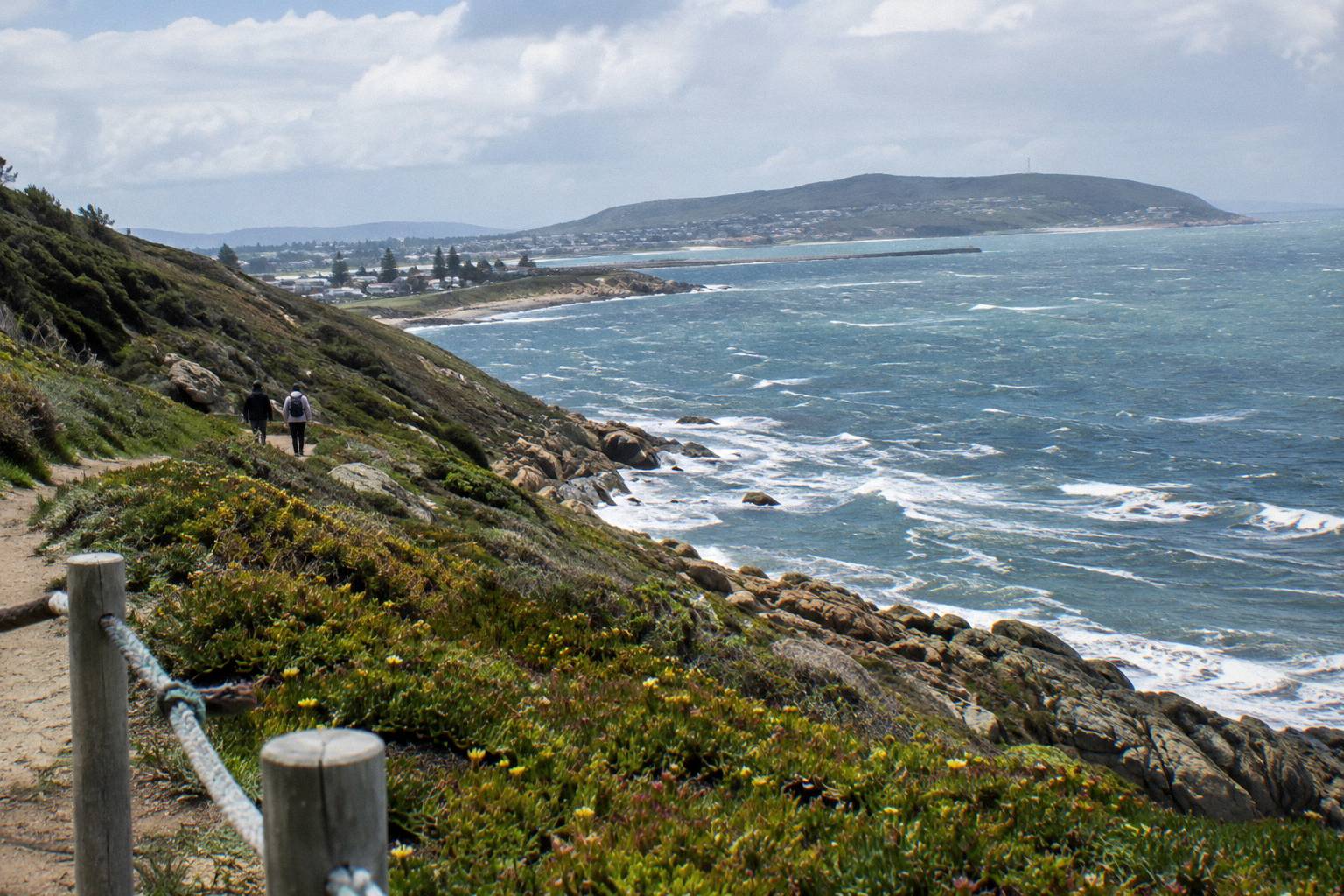
The second is subtler: reading "season runs May to October" and concluding all six months are equal. The SA Whale Centre's own wording ranks them, naming July and August as most reliable, and the operator independently names the same two months. A September booking is a reasonable bet with a good fallback; treating it as equivalent to August overstates what any official source says.
The third mistake is the promise-shaped one. Nothing on any booking page for these tours guarantees a sighting, and the operator states plainly that whales are seen where present and conditions permit. The right mental model is that peak season buys you the best odds and a tour that is excellent with or without whales: the coastline, the marine park, and the seals are certain; the whale is the bonus. Travellers who arrive with that ranking in mind enjoy the day either way.
The fourth and fifth mistakes are logistical. Winter means winter clothing, full stop, whatever the school calendar says. And a single morning in a single day is the worst possible structure for a whale trip; where the stay allows it, hold two mornings and let the 24 hour cancellation terms do the flexibility work for you.
Common Questions About Whale Season Timing
When Is Whale Watching Season At Victor Harbor?
The SA Whale Centre says the season runs May to October, with the first whales usually seen in May and the last found until early October. July and August are described as the most reliable months, and the local boat operator's own season wording, June to September, agrees on that peak.
Which Month Is Best For Whale Watching At Victor Harbor?
July and August. Both the SA Whale Centre and Big Duck Boat Tours name these as the most reliable months, when the greatest number of whales including calving mothers are settled on the coast. Book early for these months and use the free 24 hour cancellation if plans change.
Can You See Whales At Victor Harbor Outside The Season?
Not reliably. The official season wording covers May to October, and the operator sells its whale season from June to September. Outside those months the boat tours still run and the coastline and seals remain, but the whale premise does not apply, and no tour guarantees a sighting at any time of year.
Are Whale Sightings Guaranteed On A Victor Harbor Boat Tour?
No. The operator's booking terms state that on the Southern Ocean Adventure whales are seen where present and conditions permit, and that routes are subject to change with weather and wildlife. Peak months improve the odds; they do not convert them into a promise.
What Happens If Weather Cancels A Whale Tour?
Big Duck cancels departures in rough or unsafe conditions, typically notifying passengers the day before by text and email and offering a full refund or reschedule. Rain alone does not necessarily cancel a trip. Passengers can also cancel themselves free up to 24 hours before departure for a full refund.
Is Winter Too Cold For A Whale Tour At Victor Harbor?
No. Bureau of Meteorology averages put July mean maximums at 15.5 °C and August at 16.4 °C, mild for winter, with many calm, clear mornings between rain events. The standard kit is layered clothing and a weatherproof outer layer, matching the operator's advice to bring weather-appropriate clothing.