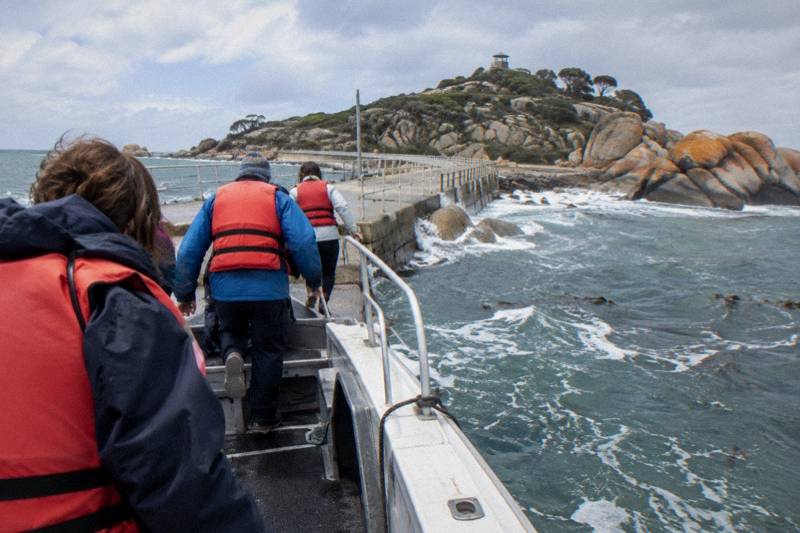
Sea Conditions And Weather For Victor Harbor Boat Tours
Wind, swell and season decide whether a boat leaves the causeway at all, and how good the trip is when it does. Here is what the climate record says, what each operator does when conditions turn, and how to build a plan that survives a cancellation.
Short answer
Victor Harbor's climate is mild: mean maximums run from 15.5 °C in July to 25.2 °C in January, with winter the wettest season. Operators cancel in rough or unsafe conditions, Big Duck usually notifying the day before, and the Murray Mouth cruise stops in strong winds. Every tour on the roster offers free cancellation up to 24 hours before, amounts in Australian dollars.
Victor Harbor sits where Encounter Bay opens fully to the Southern Ocean, and that exposure is the single biggest variable in any boat trip booked there. The same swell that makes the coastline dramatic can keep a vessel tied to the causeway landing, and the difference between a smooth crossing and a scrapped departure is usually wind, not rain. Understanding the local pattern, and how each operator responds to it, turns a weather-dependent day into a plannable one.
For a wider view of what runs from the causeway, see the Victor Harbor boat tours overview, and for the whale side of the calendar, the whale watching season calendar pairs the weather story with the migration one.
| Quick Fact | Detail |
|---|---|
| Hottest month (mean max) | January, 25.2 °C |
| Coolest month (mean max) | July, 15.5 °C |
| Wettest month | June, 83.4 mm mean rainfall |
| Driest month | March, 19.2 mm mean rainfall |
| Whale season | May to October, July and August most reliable (SA Whale Centre) |
| Typical Big Duck cancellation notice | Day before, by text and email |
| Free cancellation window | Up to 24 hours before start, across the roster |
What Is The Weather Like In Victor Harbor Across The Year?
Victor Harbor has a mild climate with warm dry summers and cool wet winters, moderated by the Southern Ocean. Mean daily maximums span a narrow band, from 25.2 °C in January down to 15.5 °C in July, and mean minimums from 14.8 °C to 6.6 °C across the same months. June is the wettest at a mean of 83.4 mm, and March the driest at 19.2 mm. Annual mean rainfall is 549.4 mm.
Those figures come from the Bureau of Meteorology's long-term averages for the Victor Harbor (Encounter Bay) station, and they describe one of the gentler coastal climates in Australia. Summer days rarely push far past the mid-twenties on average, which matters on a boat: an open vessel with no shade is far more tolerable here than in Gulf St Vincent further north. Winter means are cool rather than bitter, and a July morning at 6.6 °C can still be calm enough for a crossing.
The rainfall pattern matters more for planning than the temperature one. Rain alone does not necessarily cancel a departure, as Big Duck states plainly in its booking terms, so a showery forecast is not a reason to stay ashore. Wind is the variable that actually closes trips, and the winter months that bring the most rain also bring the whale season, which is why the two need planning together rather than separately.
| Month | Mean max (°C) | Mean min (°C) | Mean rainfall (mm) |
|---|---|---|---|
| January | 25.2 | 14.8 | 21.6 |
| February | 24.3 | 14.5 | 22.0 |
| March | 23.6 | 13.0 | 19.2 |
| April | 21.6 | 10.5 | 34.2 |
| May | 18.6 | 8.8 | 60.7 |
| June | 16.2 | 7.2 | 83.4 |
| July | 15.5 | 6.6 | 79.7 |
| August | 16.4 | 6.8 | 72.8 |
| September | 18.5 | 7.7 | 55.4 |
| October | 20.6 | 9.1 | 40.3 |
| November | 22.5 | 11.5 | 36.0 |
| December | 24.1 | 12.8 | 27.6 |
The full averages are published by the Bureau of Meteorology for station 023804, and the seasonal shape they show, dry warmth building through summer, rain arriving with autumn and peaking in June, holds a practical lesson. If the goal is a calm-water cruise and the whales are not the priority, the shoulder months of March and April or October and November sit in the sweet spot between rainfall and cold. If the goal is whales, winter it is, and the planning shifts to managing wind risk around the booking.
Which Tours Cancel For Weather, And Which Run Rain Or Shine?
The operator's own terms draw a clear line: Big Duck cancels departures in rough or unsafe conditions, typically notifying passengers the day before by text and email, with full refund or reschedule; the Spirit of the Coorong Murray Mouth cruise operates rain or shine but cancels in strong winds; and the Coorong kayak trip cancels at forecast winds of 15 knots or above, on lightning risk, or on extreme fire-danger days. Rain alone rarely stops anything.
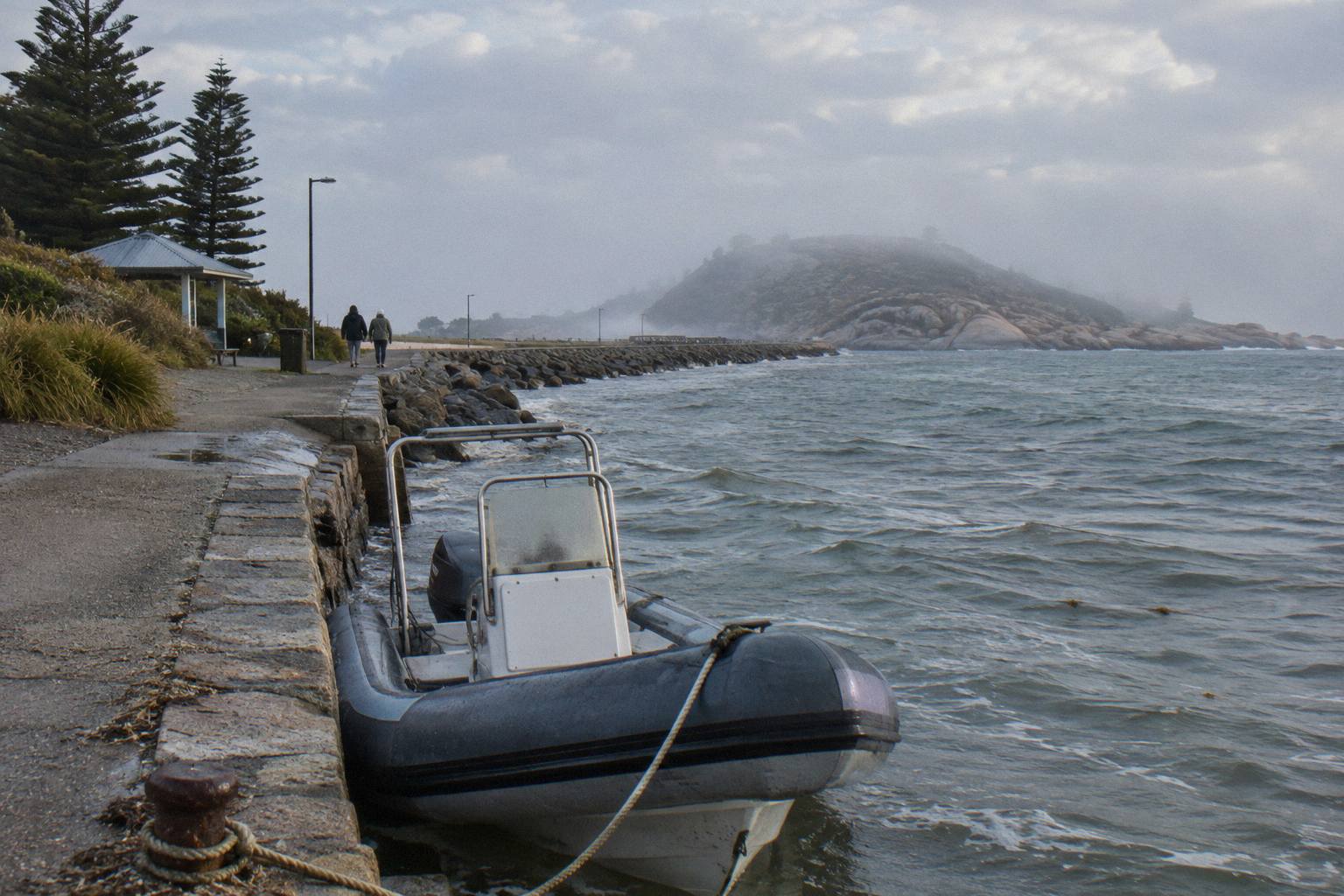
That distinction is worth internalising before booking anything on a changeable forecast. Big Duck's two Victor Harbor products, the 1.5-hour Southern Ocean Adventure Cruise and the 45-minute Seal Island Cruise, both work open water inside the Encounter Marine Park, so the safety bar is set by swell and wind rather than showers. The company's terms note short-notice cancellations are possible too, and that late arrivals forfeit a refund, which makes punctuality part of the weather plan.
The Goolwa-based options behave differently because their water is different. The Murray Mouth cruise from Goolwa Wharf describes itself as operating rain or shine, subject to cancellation for strong winds, because the lower lakes and river channel shelter the vessel from ocean swell in most conditions. The 6-hour Murray Mouth kayaking trip run by Aspire Paddling Company has the tightest limits of all: a 15 knot wind forecast or any lightning risk cancels, and participants must be able to swim, which tells you how exposed paddling the Murray Mouth can be.
| Tour | Operator | Weather cancellation rule |
|---|---|---|
| Southern Ocean Adventure Cruise | Big Duck Boat Tours | Cancels in rough, unsafe conditions, typically notified the day before by text and email, full refund or reschedule |
| Seal Island Cruise | Big Duck Boat Tours | Same terms as above, short-notice cancellation possible |
| Murray Mouth Cruise (90 minutes) | Spirit of the Coorong | Operates rain or shine, cancels in strong winds |
| Half-Day Coorong Cruise | Spirit of the Coorong | Departs Goolwa Main Wharf, subject to conditions |
| 6-Hour Murray Mouth Kayak, Beach Walk, Lunch | Aspire Paddling Company | Cancels at 15 knots forecast wind, lightning risk, or extreme/catastrophic fire danger; refundable when cancelled for weather |
| Guided Walking Tours | Victor Harbor Walking Tours | No weather policy published |
The walking tours sit outside the weather-cancellation question almost entirely, since a town walk runs in conditions that would ground a boat, and they are a genuine fallback when the forecast turns. A morning spent on the Discover Victor Harbor Guided Walking Tour, from AU$35 per person with a 5.0 rating from 9 reviews, or the Shipwrecks & Settlers walk from Encounter Bay at the same price, salvages a washed-out boat day without needing a refund at all.
How Does Wind Change A Victor Harbor Boat Tour?
Wind does two separate things to a departure: it decides whether the trip runs at all, and it decides how the water feels once underway. Operators set thresholds conservatively, with the kayak trip's 15 knot limit the only published number among them, while Big Duck leaves the judgement to conditions on the day. Inside the shelter of Encounter Bay a moderate breeze can still leave the water workable, whereas the stretch past The Bluff changes character quickly.
The geography explains the pattern. Encounter Bay faces south and west, straight into the prevailing weather that has travelled uninterrupted across the Southern Ocean, so a frontal change arriving from that quarter raises swell and wind together. Rosetta Head, standing 97 m above sea level, marks the western shoulder of the bay, and trips such as the Southern Ocean Adventure round it toward the Waitpinga cliffs, where the protection of the bay ends. A day that feels calm at the causeway can be brisker beyond that point.
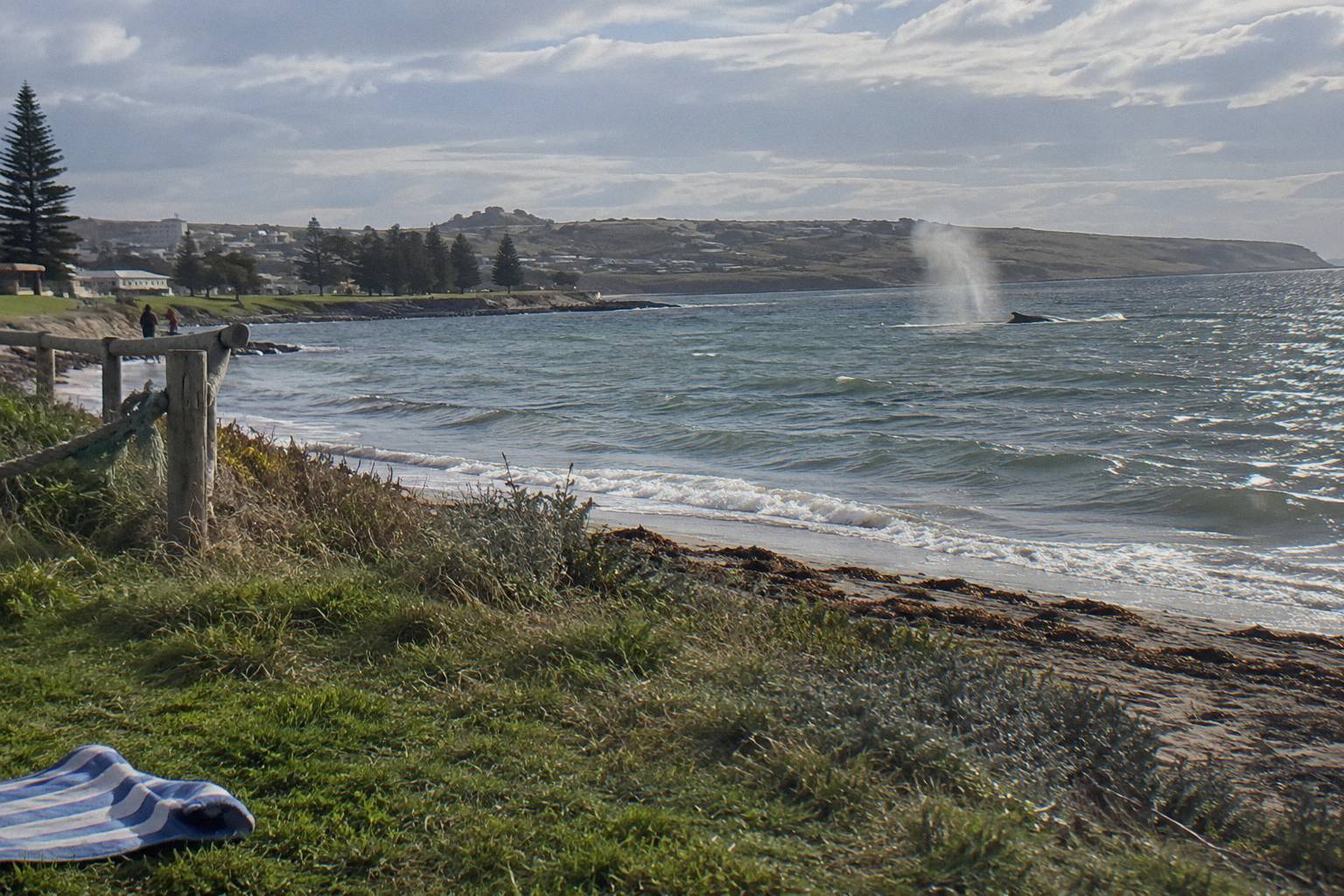
For whale watching specifically, wind interacts with the regulations as well as the comfort factor. Under the marine mammal regulations in force since 1 September 2025, vessels must travel no faster than 4 knots within 300 m of a whale and stay no more than 60 minutes, and must keep 100 m away, or 300 m for a calf or inside the Encounter Bay Whale Nursery Protection Area. The approach rules are published by South Australia's marine parks authority, and rough water makes the slower, wider compliance both harder and more necessary.
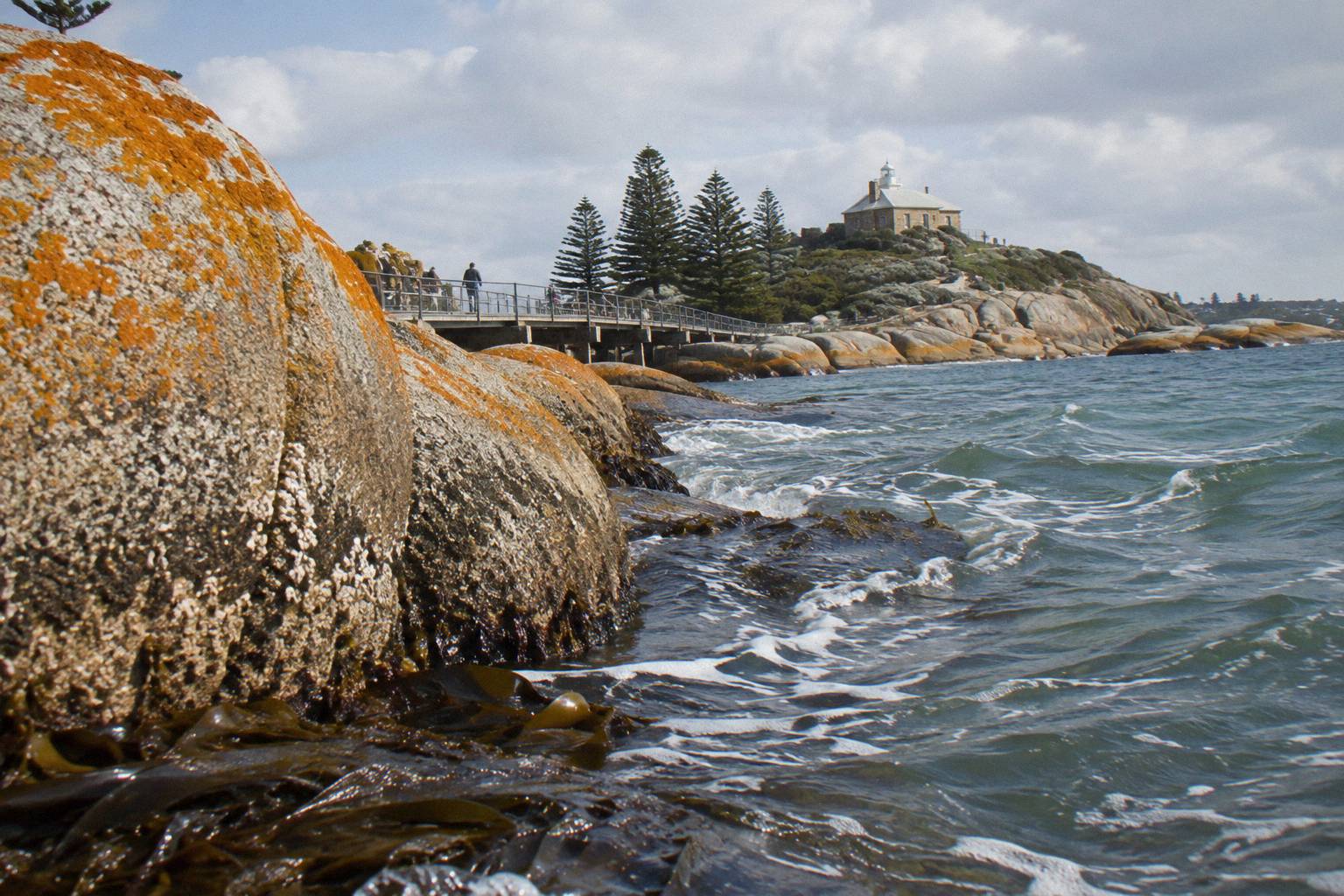
Practical takeaway: check the forecast for wind direction as well as speed. A sou'easterly blows offshore into the bay and can leave inshore water flat while the open coast is unworkable, which favours the shorter Seal Island Cruise. A strong south-westerly does the opposite, and the sheltered-water options from Goolwa become the smarter booking that day.
When Is The Sea Calmest For A Boat Tour Near Victor Harbor?
The calmest water statistically favours the warmer months, November through March, when mean rainfall drops to between 19.2 and 36.0 mm monthly and summer high-pressure systems settle over the Bight. The trade-off is that the whale season runs May to October with July and August the most reliable months, so the calmest sea and the best wildlife window do not overlap. Most visitors pick the season first and manage sea risk through the cancellation window instead.
Summer brings its own planning notes. The mean January maximum of 25.2 °C is comfortable, but individual days run hotter, and an open rigid-hulled inflatable like Big Duck's 12.5 m vessel Pungari offers little shade on a two hour round. Weather-appropriate clothing is the operator's standing advice, and that cuts both ways: sunscreen and a hat in January, a windproof layer in July. Other pages covering the same trip are gathered on Victor Harbor Tours.
Autumn is the quiet compromise. April and May still fall inside the whale season's early edge, rainfall is easing down from the June peak, and the mean maximums of 21.6 °C and 18.6 °C are close to ideal for time on the water. A May departure carries a real chance of an early whale sighting alongside autumn conditions, without the mid-winter wind risk that July and August bring.
| Season | Months | Conditions profile | Best suited to |
|---|---|---|---|
| Summer | December to February | Warmest and driest, mean max 24.1 to 25.2 °C | Calm-water cruises, wildlife without whales |
| Autumn | March to May | Rainfall rising toward the June peak, mild max 18.6 to 23.6 °C | Early whale season with moderate wind risk |
| Winter | June to August | Wettest months, 72.8 to 83.4 mm rain, peak whale reliability | Whale watching with a cancellation fallback |
| Spring | September to November | Rain easing, max climbing 18.5 to 22.5 °C | Late whales in September, then calm-water trips |
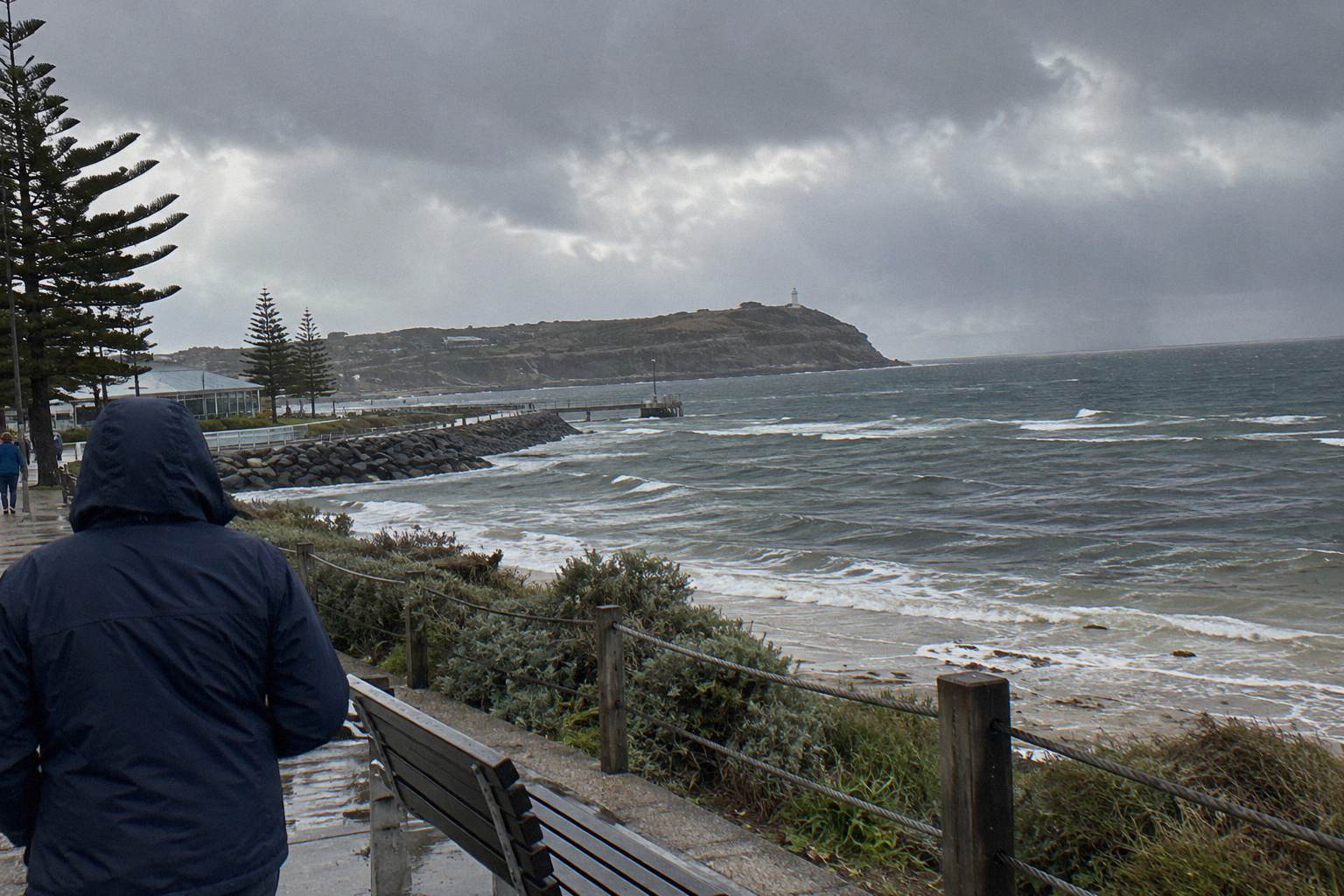
The whale season timing comes from the SA Whale Centre, which reports first whales usually seen in May and remaining until early October, with July and August the most reliable window. Big Duck frames its local season as June through September, with the same July and August peak. Current sighting reports can be lodged and checked through the SA Whale Centre, open seven days at the Railway Goods Shed on 2 Railway Terrace, which makes a useful first stop on any whale-focused morning.
Which Tour Should You Book If The Forecast Looks Rough?
Book the Murray Mouth Cruise from Goolwa, from AU$62 per person with a 4.7 rating from 116 reviews, because it runs on the sheltered lower lakes rather than the open ocean and operates rain or shine outside strong winds. The Half-Day Coorong Cruise, from AU$125 per person rated 4.8 from 179 reviews, is a second calm-water option, while the guided walking tours from AU$35 per person need no sea state at all.
The decision tree is simple. Ocean swell and a westerly change: choose Goolwa. Light rain with manageable wind: any Big Duck departure runs, and rain does not necessarily cancel. A frontal system with thunderstorms: nothing on the water is a good idea, and the kayak operator's lightning rule is the sensible benchmark for every vessel. Big Duck also applies a minimum age of 2, requires children aged 2 to 15 to travel with an adult, and advises the trips are not suitable for pregnant passengers, so family plans should be checked against those terms before the weather question even arises.
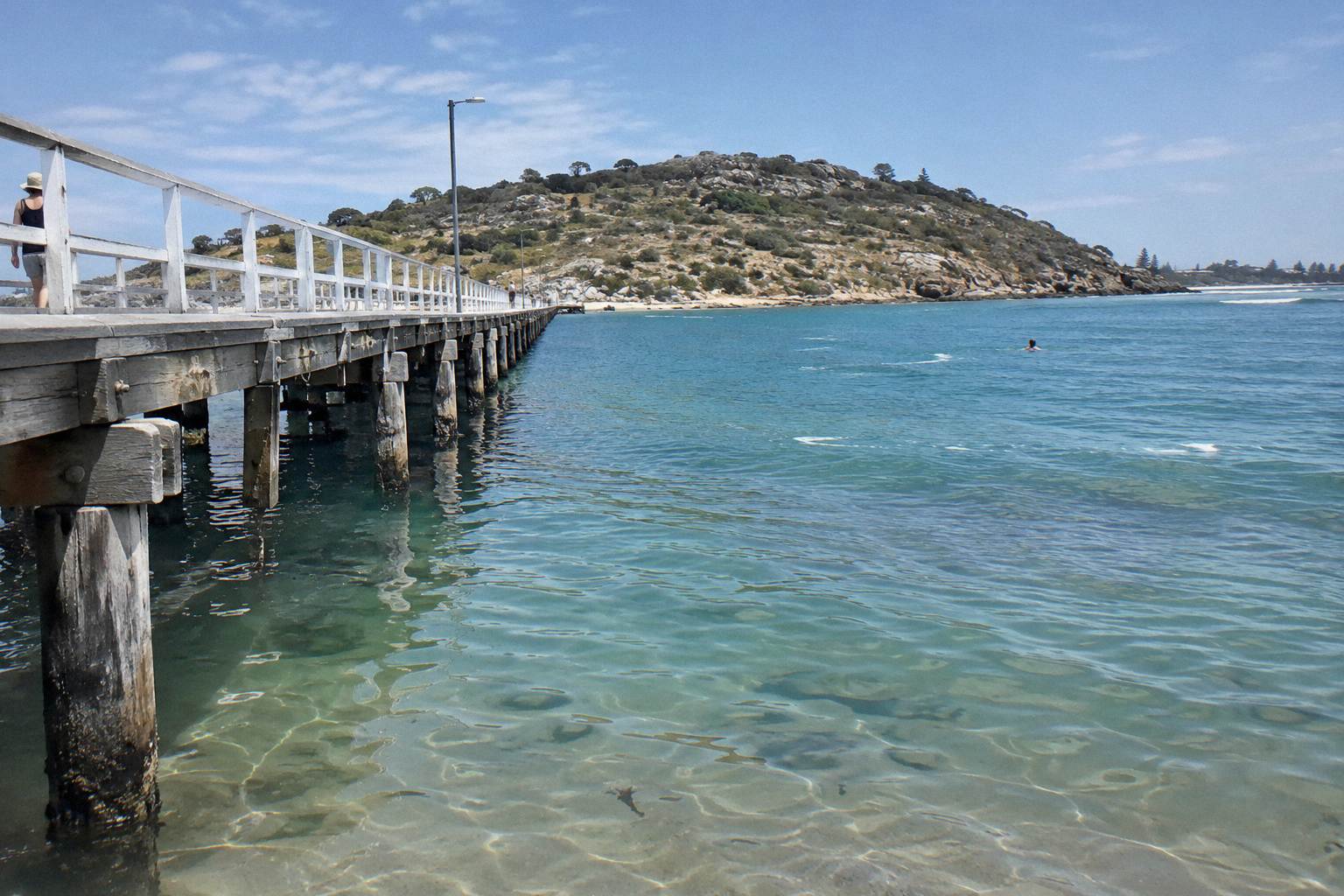
Both Big Duck vessels board from a landing about 300 m out along the Granite Island Causeway, which adds a practical wrinkle: allow time for the walk, because late arrivals receive no refund even when the boat itself is running. The causeway is about 650 metres end to end, roughly 20 minutes on foot at a relaxed pace, and the new structure opened to pedestrians on 22 December 2021 after a AU$43 million rebuild, as documented by the City of Victor Harbor.
The flagship open-water trip, the Victor Harbor: Southern Ocean Adventure Cruise with Guide, is exactly the departure a rough forecast threatens, which is an argument for booking it early in a stay rather than on the last morning. From AU$85 per person and rated 4.7 from 163 reviews, it covers Seal Island, Wright Island, The Bluff, West Island, Shark Alley, Kings Beach and the Waitpinga cliffs inside the Encounter Marine Park. With free cancellation up to 24 hours before, reserving a first-choice day costs nothing and keeps the option to rebook inland if the front arrives. The 1.5-Hour Southern Ocean Adventure link sits beside the full Southern Ocean Adventure guide, which walks the route stop by stop.
What Should You Wear And Pack For Changeable Conditions?
Layer for two climates in one trip: a windproof outer layer over warm mid-layers in winter, sun protection in summer, and solid footwear for the causeway walk to the boarding landing. The operator's own advice is to bring a camera and weather-appropriate clothing, and the vessel is an open rigid-hulled inflatable, so spray and wind reach every seat. A waterproof bag for phones and spare layers earns its place year round.
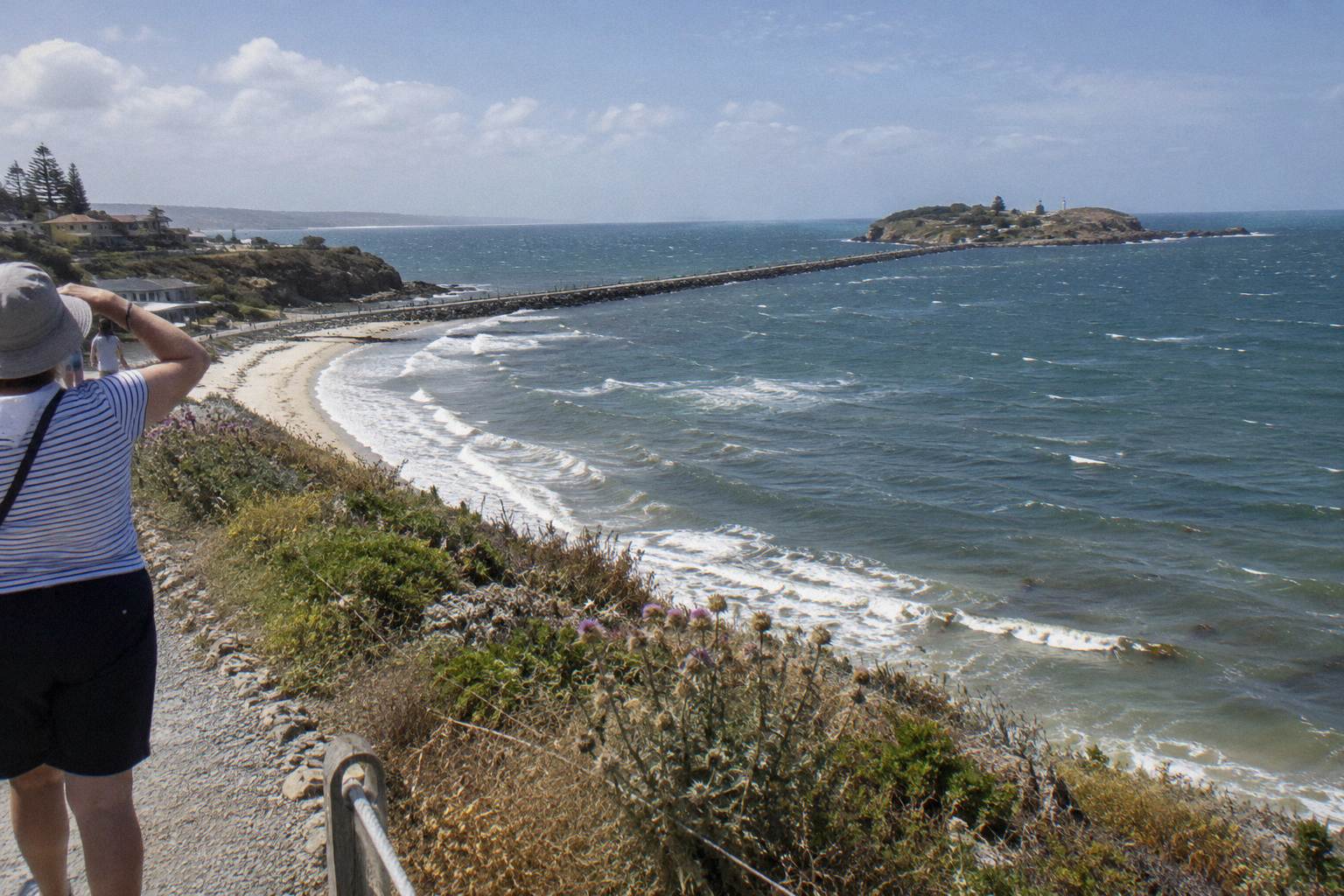
Winter dressing follows the sea, not the shore. A July mean minimum of 6.6 °C combined with wind chill on an open boat at speed can drop the felt temperature well below the land reading, so gloves and a beanie are not overkill for the 90 minute Southern Ocean Adventure. The shorter 45-minute Seal Island trip, departing about 12:45 pm, catches the warmest part of the day, while the longer trip boards mid-morning, and both boarding times are approximate and subject to the operator's schedule.
Summer brings the sun discipline. Even at a mean maximum of 25.2 °C, January's midday UV on open water is the day's real hazard, and the reflection off the sea doubles the exposure. The what to wear on a Victor Harbor boat tour post carries the full packing breakdown, and the boat and penguin tours with kids guide adds the family-specific list, since children's spare clothing matters more than any adult's when spray is about.
What Mistakes Do People Make Planning Around Victor Harbor Weather?
The recurring mistakes are booking the only boat day of a short stay on the final morning, assuming rain cancels a trip that will actually run, ignoring the 300 m causeway walk to the Big Duck boarding point, and treating the whale season and the calm season as the same window. Each one is avoidable with a free-cancellation booking placed early in the stay and a weather check the evening before, when operators typically send cancellation notices.
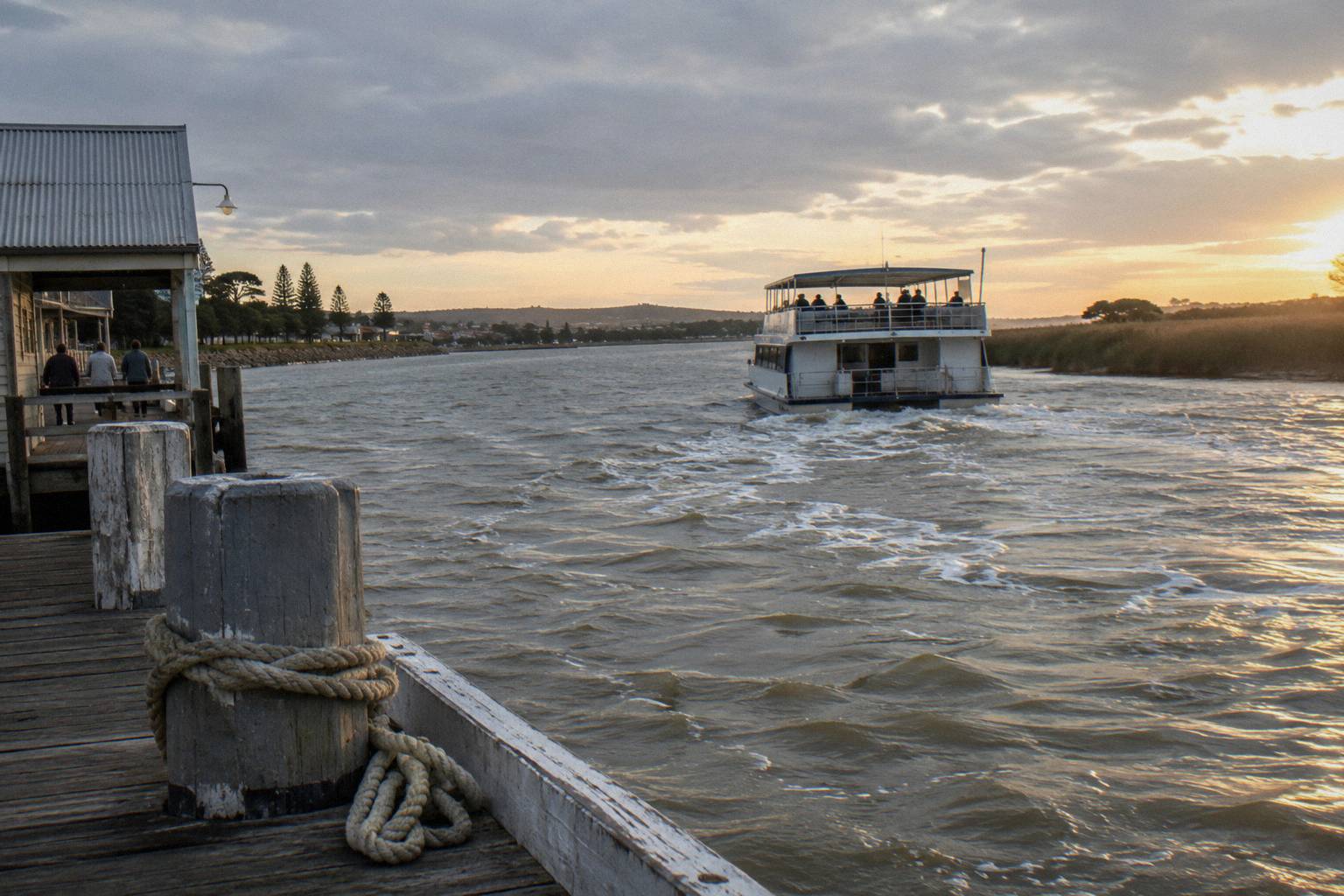
Booking last is the costliest error. A traveller arriving Saturday and departing Sunday who books Sunday's departure has no fallback if Saturday night's front keeps the fleet ashore, while the reverse order leaves a spare day to rebook. The 24 hour free-cancellation terms on every roster tour, with reserve-now-pay-later on the booking pages, make early placement free of risk.
Misreading rain is the second. Big Duck cancels for rough, unsafe conditions, not for showers, so a grey drizzly forecast with light winds is often a genuinely good boat day: softer light, fewer crowds, and wildlife undisturbed by heat. Conversely, a bright windy morning can be a cancellation day, and the tram that runs to Granite Island operates weather permitting on every day of the year except Christmas Day, as the Horse Tram Authority notes, so even the crossing itself bends to conditions.
The third mistake is treating the wildlife calendar and the sea calendar as one. Whale season peaks in July and August, the wettest and windiest months; the calmest water sits in the dry summer, when the whales are gone. Deciding which matters more, then using the cancellation window and a two or three day stay to absorb a lost day, is the whole strategy in a sentence.
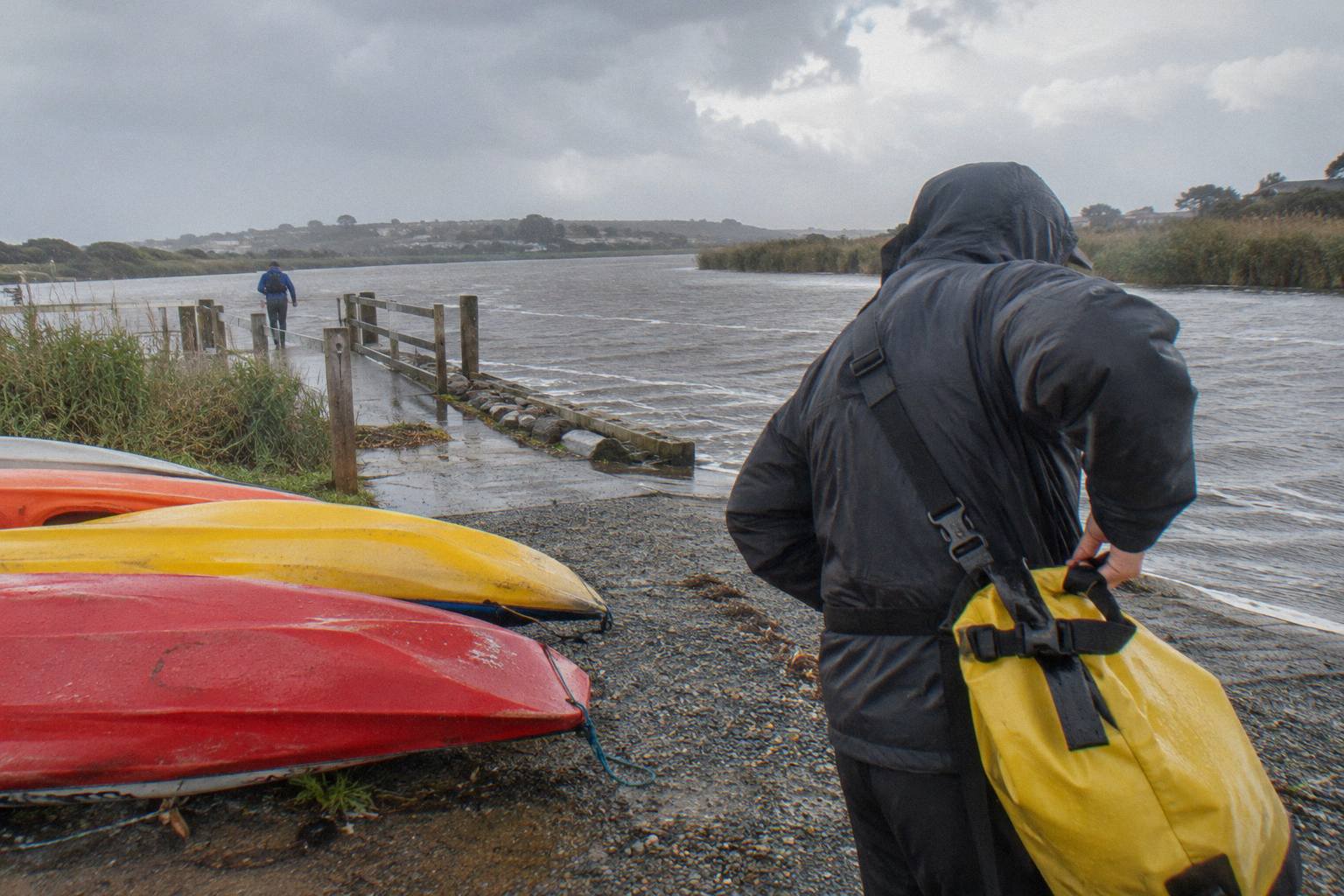
The full picture of what runs from where, and how the Goolwa fleet differs from the Victor Harbor one, continues in the Coorong boat tours guide and the Victor Harbor Tours home page. Book the open-ocean trip early in the stay, hold the sheltered-water alternative in reserve, and let the 24 hour window absorb whatever the Southern Ocean decides.
The 45-Minute Seal Island Cruise is the trip that fits the most marginal forecast, since its shorter exposure window and inshore route to the island the operator describes as home to fur seals, sea lions and seabirds tolerate conditions that scrub the longer run. From AU$55 per person and rated 4.7 from 112 reviews, it is the natural second choice when the Southern Ocean Adventure is blown out, and its roughly 12:45 pm departure leaves the morning free to watch the forecast settle.
When the wind turns the whole of Encounter Bay unworkable, the 90-Minute Murray Mouth Cruise from Goolwa Main Wharf is the reliable fallback, running the sheltered channels of the lower lakes where ocean swell cannot reach. From AU$62 per person and rated 4.7 from 116 reviews, it pairs naturally with a wander through the Goolwa Wharf Precinct beforehand, and it is the one departure on the roster whose own terms promise rain-or-shine operation.
The 3.5-Hour Coorong Park Cruise extends the same sheltered-water logic into a half day, travelling from the Goolwa Wharf into Coorong National Park, a wetland listed at 48,692 ha and part of a Ramsar site since 1985. From AU$125 per person and rated 4.8 from 179 reviews, it suits a family or group whose Victor Harbor ocean booking was cancelled and who still want a day on the water with something to show for it.
Common Questions About Boat Tour Weather
What Is The Weather Like In Victor Harbor Across The Year?
Mild and moderated by the Southern Ocean. Mean daily maximums range from 25.2 °C in January to 15.5 °C in July, with June the wettest month at 83.4 mm mean rainfall and March the driest at 19.2 mm.
Do Victor Harbor Boat Tours Get Cancelled For Weather?
Yes, in rough or unsafe conditions. Big Duck typically notifies passengers the day before by text and email with a full refund or reschedule, the Murray Mouth cruise cancels in strong winds, and the Coorong kayak trip cancels at forecast winds of 15 knots or above or on lightning risk.
Does Rain Cancel A Victor Harbor Boat Tour?
Not usually. Big Duck's terms state rain alone does not necessarily cancel a departure, and the Murray Mouth cruise operates rain or shine. Wind and swell, not showers, are what ground the fleet.
When Is The Sea Calmest Near Victor Harbor?
Statistically the warmer months, November through March, when mean rainfall is at its lowest and summer high-pressure systems dominate. The whale season, May to October with July and August most reliable, overlaps the rougher half of the year.
What Should I Wear On A Victor Harbor Boat Tour?
The operator advises weather-appropriate clothing and a camera. In winter, a windproof outer layer over warm mid-layers, gloves and a beanie for open-boat wind chill; in summer, sun protection and a hat, since the vessel offers little shade.
Can I Get A Refund If My Boat Tour Is Cancelled?
Yes. Operator-cancelled departures carry a full refund or reschedule, and every tour on the roster offers free cancellation up to 24 hours before start for a full refund, with reserve-now-pay-later available.