What Time Of Day Is Best For A Whale Watching Tour?
A research-backed look at whale watching departure times around Victor Harbor: what the operators run, what changes through the day, and how to pick a departure.
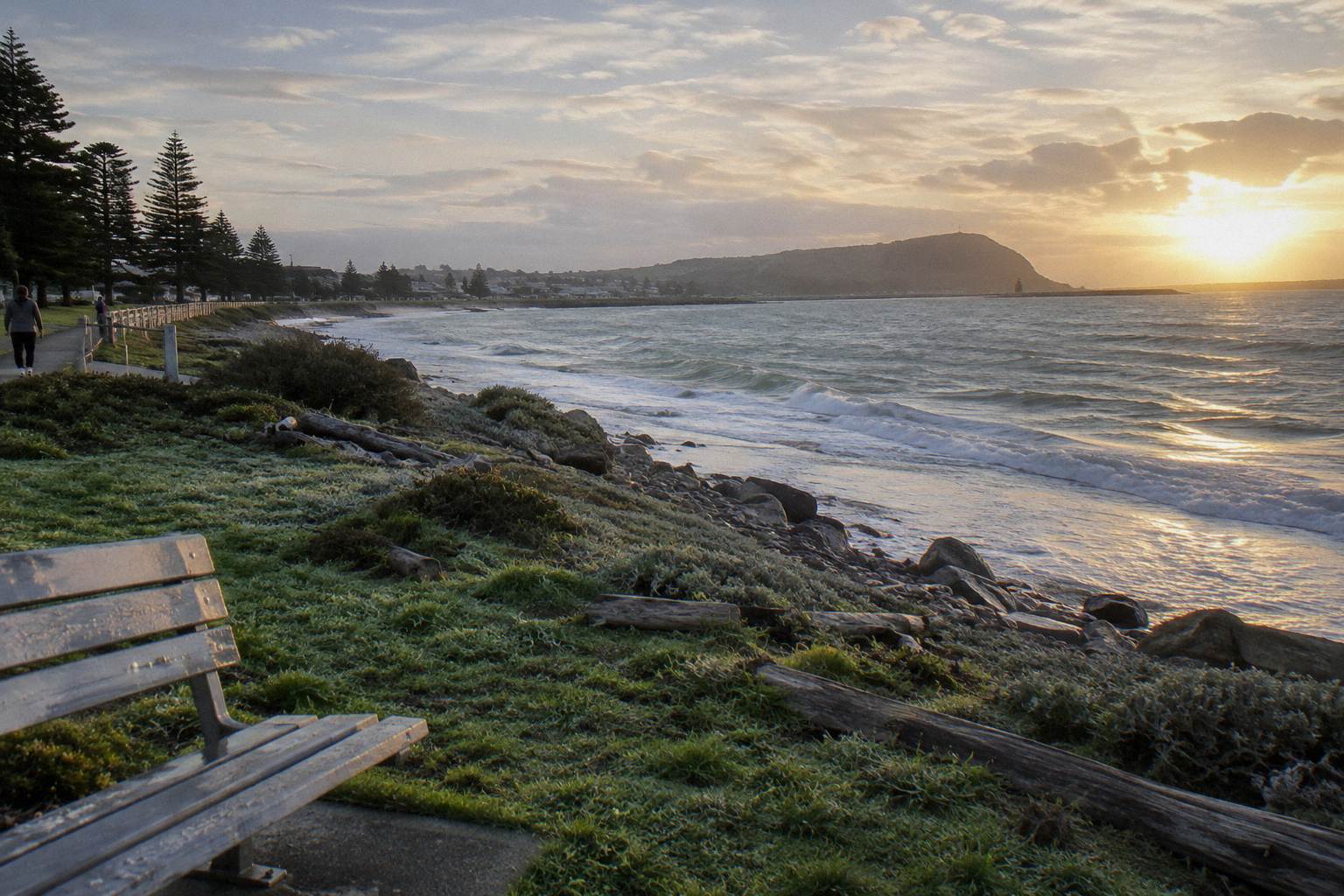
The southern right whales that pass Encounter Bay keep their own clock. They arrive when they arrive, usually from May, and linger into early October, with July and August the most reliable months according to the SA Whale Centre and the boat operator alike. No departure time on any Victor Harbor schedule changes that. What a departure time does change is the light, the wind, the crowd on the causeway and how the whole day slots together, and those are the things a visitor can actually plan around.
There is no verified evidence that morning or afternoon produces more whale sightings in Encounter Bay, and neither operator in the roster claims one. The practical answer is that the boats run at fixed, approximate departure times, roughly 10:45 am for the main ocean trip and about 2 pm for an extra sailing when demand is high, so the best time of day is the departure that fits your energy, your travel plans and the weather forecast.
That answer disappoints people who want a shortcut, and it should. Whale watching pages are full of confident claims about morning feeding patterns or calmer afternoon seas, but none of that comes from the Victor Harbor operators or from any official South Australian source in the research record. The Big Duck Boat Tours Southern Ocean Adventure, the trip most people mean when they talk about a whale watching tour here, describes its departures as approximate and subject to change. Whales, the operator says plainly, are seen where present and conditions permit, and sightings are never guaranteed at any hour.
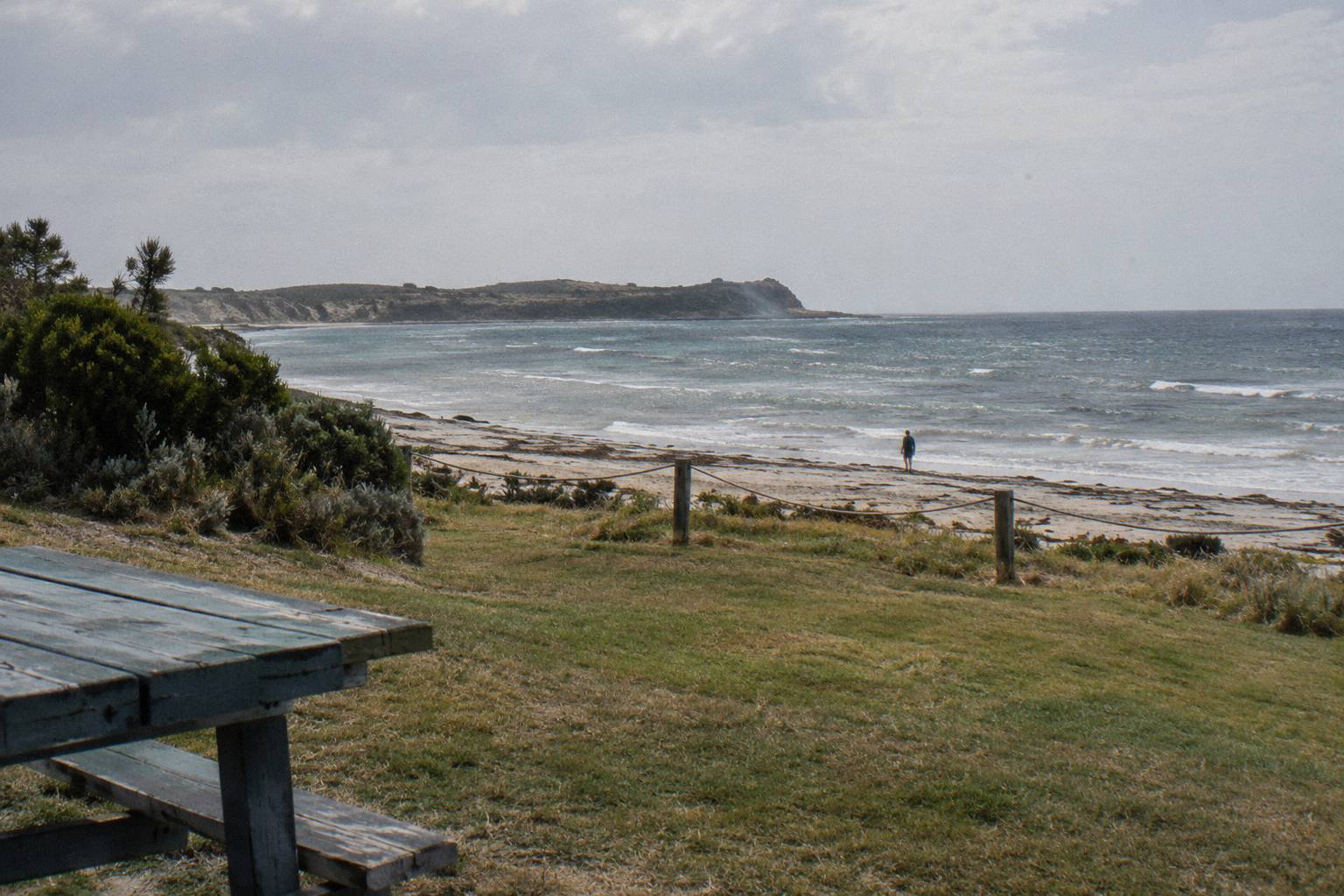
So the decision logic flips. Instead of hunting for a magic hour, a visitor books the departure that makes the rest of the day work. The morning sailing leaves the afternoon free for Granite Island, the causeway walk and lunch in town. The early afternoon sailing lets a traveller drive down from Adelaide in the morning without rushing, since the run from the city centre is about 84 km and around 1 hour 15 minutes by road. Both are good plans. Neither is the whale plan.
There is also a seasonal layer that matters far more than the hour on the clock. The whale season here runs May to October, and the SA Whale Centre's own guidance is that July and August are the most reliable months. A visitor who books an 11 am trip in August has chosen better than one who agonises over 10 am versus 2 pm in November, when the whales have largely gone. Time of year first, time of day second. Anyone weighing the seasonal question in more depth can read the month by month breakdown in the whale watching season calendar guide.
What Departure Times Do The Victor Harbor Boat Trips Actually Run?
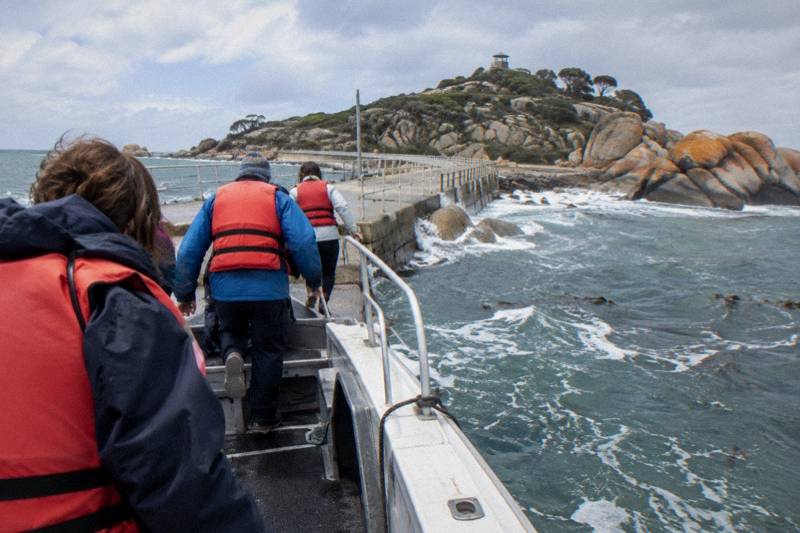
The Big Duck Boat Tours ocean adventure runs about 90 minutes and departs around 10:45 am, with an extra sailing around 2 pm when the operator is busy, while the Seal Island cruise runs about 45 minutes from around 12:45 pm. All times are approximate per the operator and can change, and the whale season runs June through September by the operator's description, so departure options are shaped by season, demand and weather.
Those numbers come from the operator's own booking terms and tour pages, and they deserve the caution flag that comes with them. The 10:45 am sailing is the anchor of the day. The 2 pm sailing is described as extra, added when busy, which in practice means peak whale season weekends and school holidays in July and August. The midday Seal Island trip at about 12:45 pm is a shorter, closer-to-shore option from the same causeway landing, from AU$55 per person with a 4.7 rating from 112 reviews, and it is not sold as a whale trip: the operator describes fur seals, sea lions and seabirds at Seal Island, with whales seen where present on the ocean routes when season and conditions allow.
| Trip | Operator | Length | Approximate departure | Meets |
|---|---|---|---|---|
| Victor Harbor: Southern Ocean Adventure Cruise with Guide | Big Duck Boat Tours | 1.5 hours | about 10:45 am, extra about 2 pm when busy | Granite Island Causeway |
| Victor Harbor: Seal Island Cruise | Big Duck Boat Tours | 45 minutes | about 12:45 pm | Granite Island Causeway |
| From Goolwa: Murray Mouth Cruise | Spirit of the Coorong | 90 minutes | check the booking page for sailing times | Goolwa Main Wharf |
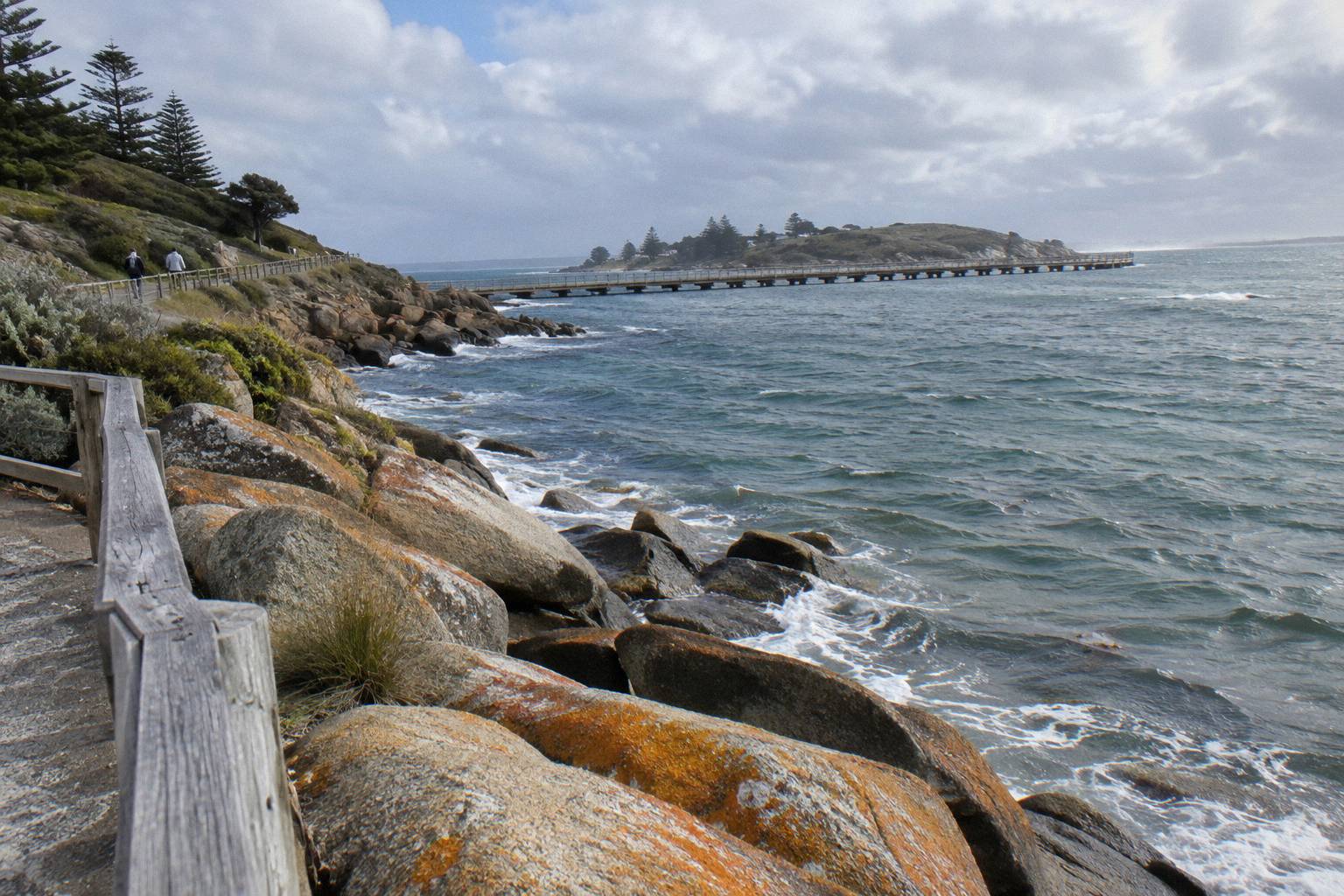
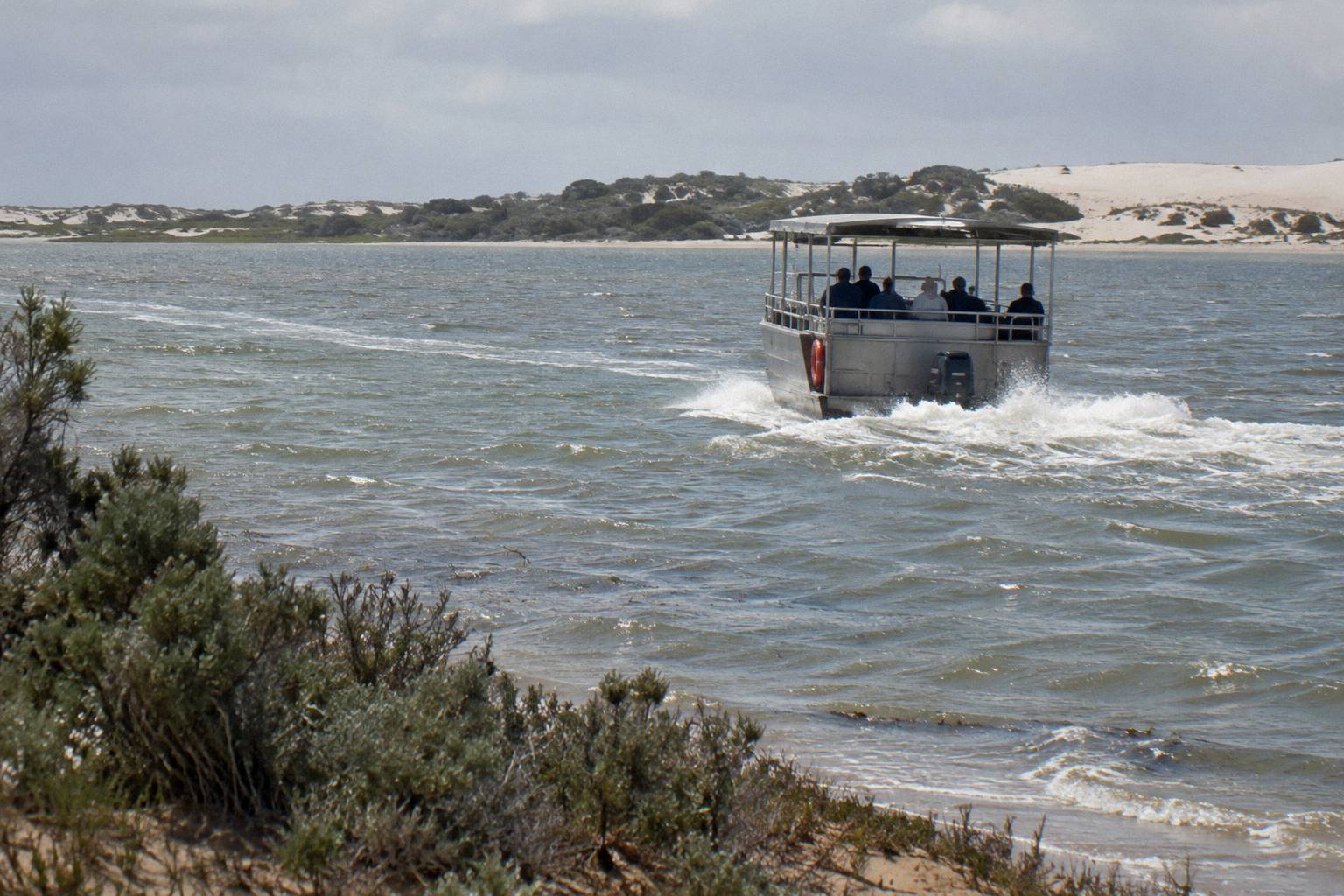
The boarding detail that catches people out: the Big Duck vessel boards from a landing about 300 m out along the causeway. That means the walk from the Victor Harbor foreshore, about 650 metres of causeway and roughly 20 minutes on foot, plus another 300 m to the landing, all before the departure time. Arriving at 10:40 for a 10:45 sailing is not arriving on time. The operator's terms are blunt about late arrivals: no refund. Build in the walk, the ticket check and a margin for a crowded causeway on a summer weekend, and the morning departure starts to look like a 9:45 arrival commitment.
A reasonable day plan around the 10:45 am sailing looks like this: park near the foreshore by 9:45, walk the causeway with the horse-drawn tram tracks alongside, board at the landing, sail 90 minutes, and be back on the island side by about 12:30 with the whole afternoon open. The alternative, waiting for a 2 pm sailing that may not exist on a quiet Tuesday, risks a day spent hovering near the booking page. For the fuller anatomy of these trips, the whale watching boat tours compared guide sets the ocean adventure and the seal cruise side by side.
Morning Or Afternoon: What Actually Changes On The Water?
What changes between morning and afternoon is light, wind and scheduling, not whale behaviour that anyone has documented in Encounter Bay. Mornings more often carry the calmest local conditions and the coolest air, while afternoons can bring building sea breezes and, in the shoulder months, warmer air for standing on deck. No operator source claims a sighting advantage for either, so treat the choice as a comfort and logistics decision and let the forecast decide.
Start with light. A 10:45 am departure in midwinter puts the sun low to the north east, which gives long, soft light across the water and, from the seaward side of the boat, backlit spray when a whale lifts. Photographers tend to like this: shutter speeds stay workable and contrast is gentle. A 2 pm sailing swings the light behind the boat on the return leg and warms the colour. Neither is better for seeing a whale; both are simply different pictures of the same animal.
Wind is the more consequential variable. Coastal South Australia commonly builds a south westerly breeze through the afternoon, and while the Bureau of Meteorology's Victor Harbor averages show the yearly picture rather than an hourly one, the pattern of calm mornings and freshening afternoons is familiar enough that the operator's own weather cancellation practice matters more than the clock. Big Duck cancels departures in rough, unsafe conditions, typically notifying passengers the day before by text and email, and rain alone does not necessarily cancel a trip. A morning booking therefore gives a slightly better chance of sailing as planned on a marginal day, and if it is cancelled, there is a chance of rebooking later the same visit.
Temperature is the third factor, and it is not trivial in July. The mean July maximum at Victor Harbor is 15.5 °C and the mean minimum 6.6 °C, according to the Bureau's long term averages for the Encounter Bay station. Standing on an open rigid hulled inflatable at 11 am in a 15 degree day feels different from standing on it at 9 am in a 7 degree morning, but the difference between a 10:45 and a 2 pm departure in midwinter is smaller than people assume. Layers beat clock arithmetic: the what to wear on a Victor Harbor boat tour post covers the kit list in detail.
One honest caution belongs here rather than anywhere else. Some travel content asserts that whales are more active in the morning, or calmer in the afternoon, as a general rule of marine biology. Whatever the merits of those claims elsewhere, nothing in the operator material, the SA Whale Centre guidance or the South Australian regulation record for Encounter Bay supports applying them here. The whales are in the bay to rest and nurse calves in what the law now calls the Encounter Bay Whale Nursery Protection Area, and a nursing whale's rhythm is its own. Booking around a claimed feeding window is planning fiction.
How Do Whale Tour Departure Times Fit Around The Causeway And The Tram?
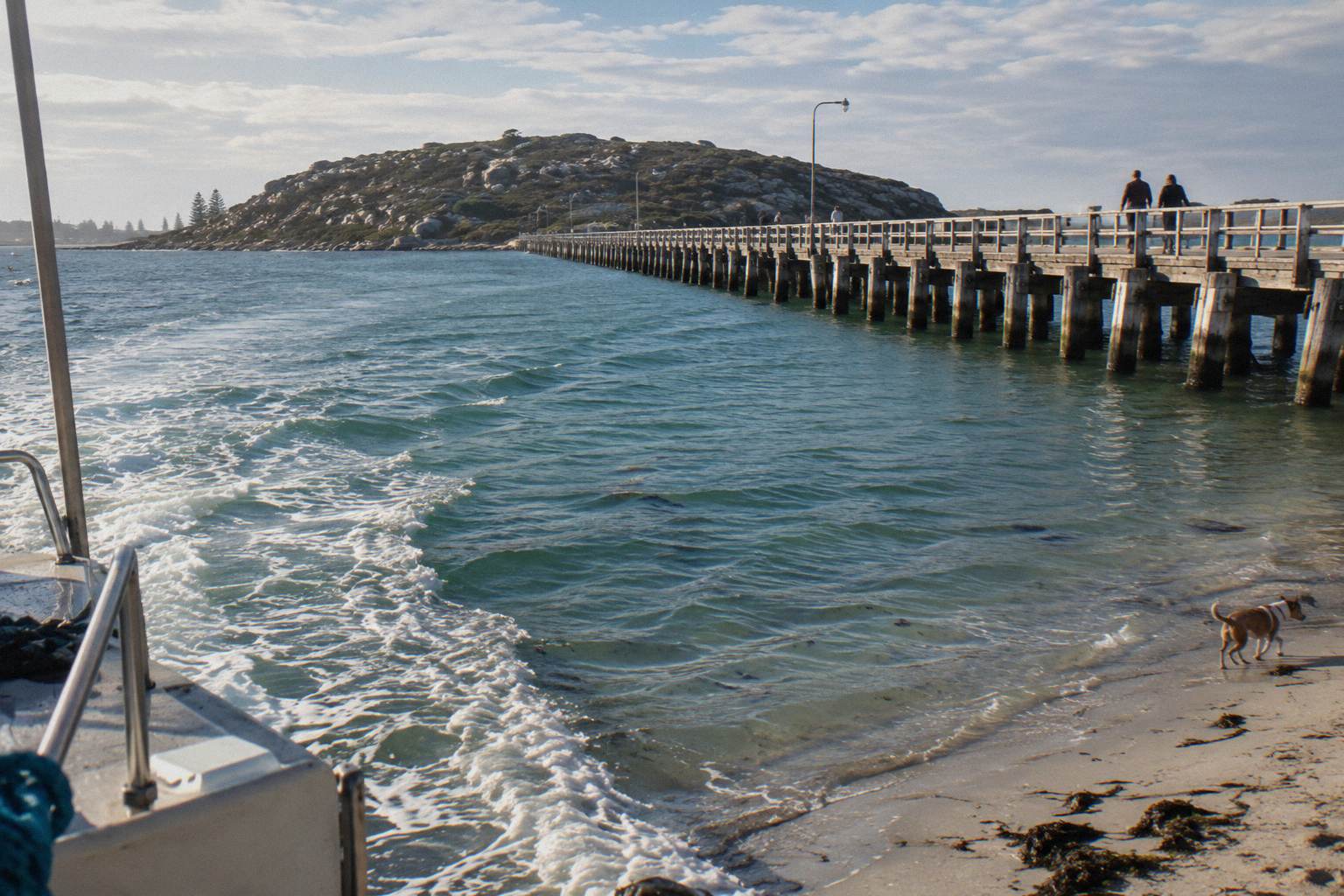
The morning sailing pairs naturally with an island morning: walk the causeway before the crowds, board at the landing, sail, then ride the horse drawn tram or do the Kaiki Walk in the afternoon. The tram runs on an approximate 40 minute schedule from 10:30 am out of Victor Harbor, weather permitting, with tickets bought at the causeway rather than online, so tram and boat are compatible if the timing is planned.
The geography forces the sequencing. The causeway is about 650 metres, a 20 minute walk each way for most people, and the boat landing sits roughly 300 metres along it. The Kaiki Walk loop on the island, 2.9 km and about an hour, sits at the far end of that walk. A visitor who wants the walk, the tram and the boat in one day has to stack them deliberately: the boat first because its departure is fixed, the tram second because it runs on a rolling schedule, and the loop walk only if legs and daylight allow.
The tram detail worth knowing is that it runs every day of the year except Christmas Day, weather permitting, with the first departure from Victor Harbor at 10:30 am and from Granite Island at 10:50 am, and the last tram of the day varies. That means the first tram of the day and the 10:45 boat are effectively in a race: a visitor who catches the 10:30 tram reaches the island before the boat leaves but with no margin for the boarding walk. The safer play is to walk out early, sail at 10:45, and ride the tram back after the trip when the queue has thinned. The tram's own terms and schedule quirks are unpacked in the Granite Island horse tram guide.
For the 2 pm sailing, when it runs, the order reverses nicely. A late morning drive from Adelaide, lunch on the foreshore, the Kaiki Walk at midday, then the boat at 2 pm, and the drive home in the early evening. It is a gentler day and it suits travellers who dislike early starts. The risk, stated plainly, is that the afternoon sailing is conditional on demand. Confirm it exists before building a day around it.
What About Sea Conditions And Cancellations At Different Times?
All booked trips allow free cancellation up to 24 hours before departure for a full refund, but weather, not timing, decides whether a sailing actually happens: Big Duck cancels in rough or unsafe conditions, usually notifying guests the day before, the Coorong kayak cancels when forecast winds reach 15 knots or above, and Spirit of the Coorong cruises run rain or shine, subject only to strong winds.
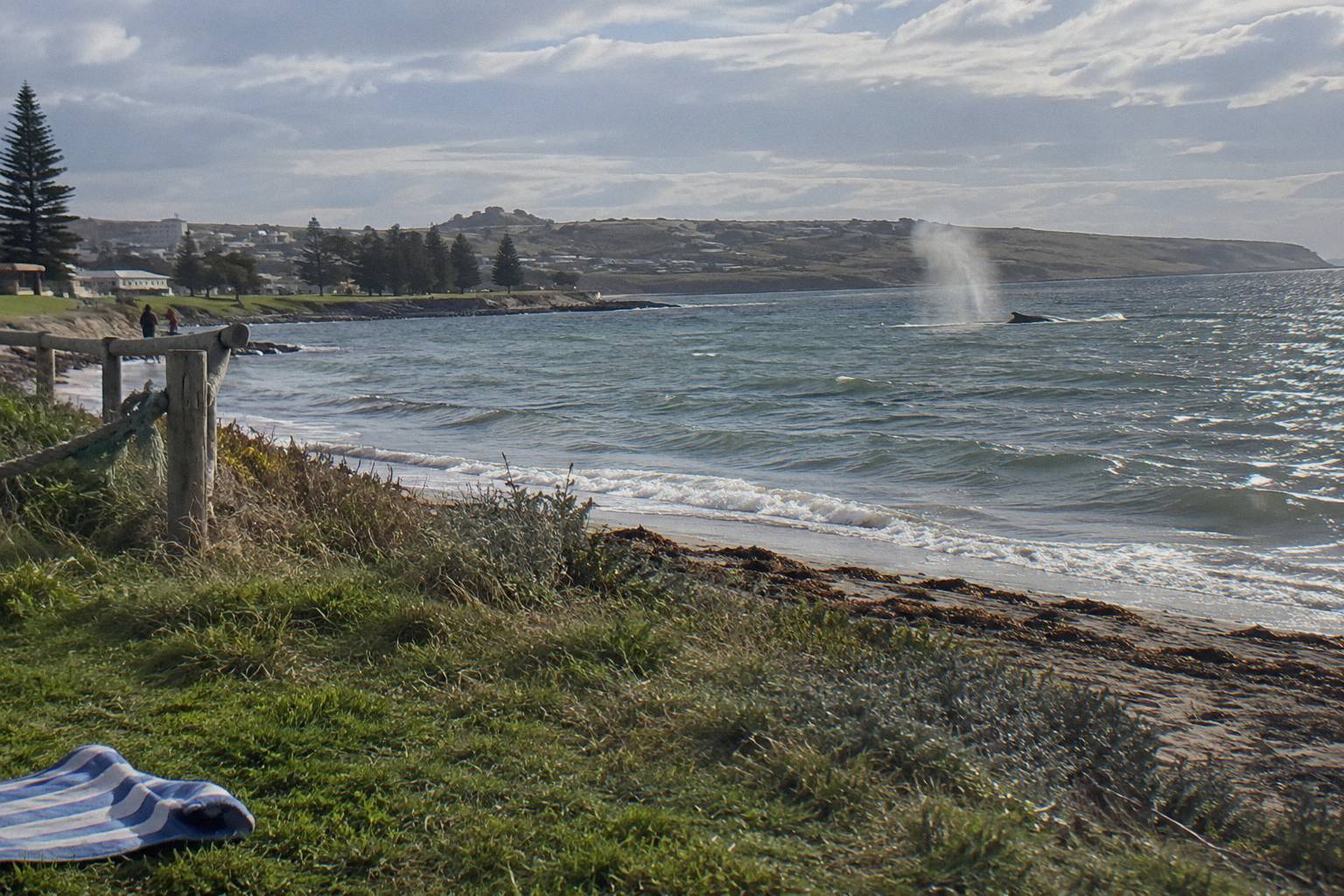
The weather machinery behind these decisions is worth understanding because it interacts with time of day. The Big Duck terms describe cancellation in rough, unsafe conditions, typically notified the day before by text and email, with a full refund or reschedule, and short notice cancellations possible. Rain alone does not necessarily cancel a trip. That means a showery Wednesday morning sailing can go ahead perfectly happily while a windy Friday afternoon one is stood down, which is the opposite of what a naive morning good, afternoon bad rule would predict. The forecast, checked the evening before, is the only reliable signal.
The long term climate averages for Victor Harbor give a sense of what a winter whale season day feels like at different hours. The Bureau's Encounter Bay station numbers below cover the core whale months, and they show why midday and early afternoon departures sit in the warmest part of the day without ever becoming warm in an absolute sense.
| Month | Mean maximum (C) | Mean minimum (C) | Mean rainfall (mm) |
|---|---|---|---|
| May | 18.6 | 8.8 | 60.7 |
| June | 16.2 | 7.2 | 83.4 |
| July | 15.5 | 6.6 | 79.7 |
| August | 16.4 | 6.8 | 72.8 |
| September | 18.5 | 7.7 | 55.4 |
| October | 20.6 | 9.1 | 40.3 |
For travellers who worry about the sea itself rather than the whale question, the honest framing is that a 12.5 m rigid hulled inflatable moves with the swell and the trip is 90 minutes on open water. Seasickness is a real consideration at any hour, and it is treated properly in the seasickness on a whale tour post. What time of day contributes is secondary: a fresher afternoon breeze can chop the surface where a glassy morning left it calm, but the operator's own go or no go decision already filters the worst of that.
The 24 hour cancellation window deserves one practical note. Since departures sit at midday and early afternoon, the 24 hour cutoff falls at mid morning to early afternoon the previous day. A traveller deciding on Tuesday whether to risk Wednesday's forecast is deciding before the operator's own day before cancellation texts typically land. That is fine: the free cancellation terms let a cautious booker lock a seat early and rebook or refund if the picture worsens, which is a better strategy than waiting and losing the departure to a busy season Saturday.
Which Departure Suits Families, Photographers And Day Trippers?
Families with children aged 2 to 15 do best with the midday Seal Island cruise or the 10:45 ocean adventure depending on the children's stamina, photographers lean to the morning light of the main sailing, and Adelaide day trippers should weigh the 2 pm sailing, when it runs, against the return drive, since the bus connection from Adelaide Central Bus Station runs just under two hours most days and leaves little slack after a late afternoon sailing.
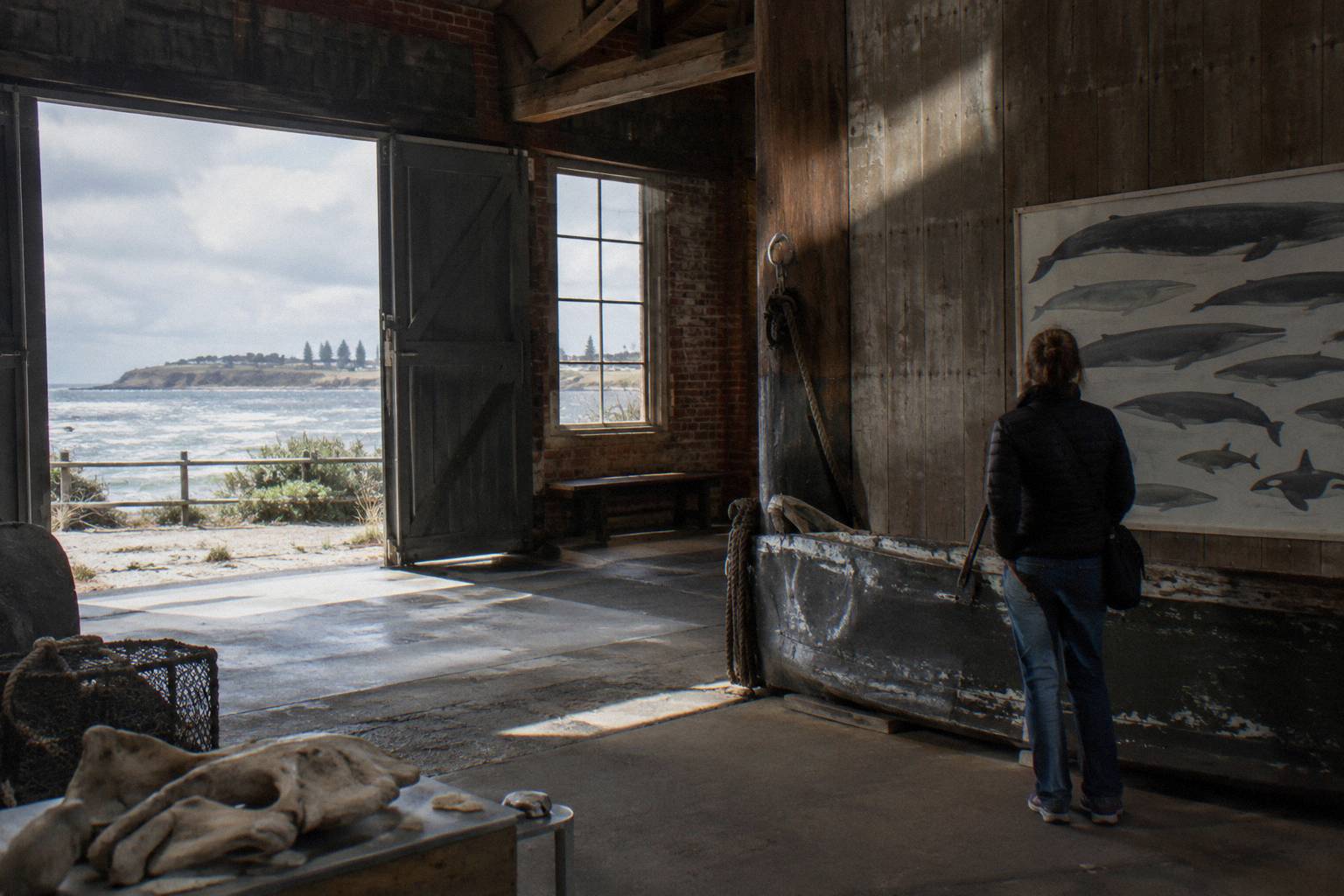
The family arithmetic is about length more than hour. The ocean adventure is 90 minutes on open water, the minimum age is 2 and children from 2 to 15 travel with an adult. Some four year olds love every minute; others are done at minute 50. The 45 minute Seal Island cruise at about 12:45 pm removes that risk while keeping the boat experience, from AU$55 per person. Neither choice is about whale odds, because neither operator sells a guaranteed whale at any hour. The family angles, including what the causeway walk does to small legs, are covered in the boat and penguin tours with kids guide.
Photographers should book the 10:45 am sailing and take the seaward rail. The light reasoning was covered earlier; the practical addition is that the morning trip, on a day when the 2 pm sailing does not exist at all, is the only game in town, so it books out first in peak season. A visitor who wants a specific date in August and a morning departure should book weeks ahead rather than days.
Day trippers from Adelaide have the most constrained choice. The coach tours, such as the Victor Harbor & Fleurieu Peninsula Day Tour at 8 hours from AU$149 per person, build the town stop into a set itinerary and do not wait for a whale sailing, so independent travel is the way to combine an Adelaide start with a boat departure. Driving down for the 10:45 means leaving the city by about 8:45 am. The 2 pm sailing allows a relaxed morning but pushes the drive home into dusk in midwinter. There is no wrong answer, only trade offs, and the Adelaide to Victor Harbor tour or drive guide works through them.
One departure that gets overlooked in the whale conversation is the Coorong option from Goolwa. The half day cruise into Coorong National Park, from AU$125 per person with a 4.8 rating from 179 reviews, is not a whale trip, but for a traveller staying mid Fleurieu it fills a morning or an afternoon with protected waterways and a different kind of wildlife, and it runs to its own published sailing times from the Goolwa Main Wharf. It suits anyone whose whale sailing was weather cancelled and who still wants a boat day. The Victor Harbor Tours hub keeps a shortlist across all of these formats.
Mistakes People Make When Picking A Departure Time
The common errors are treating an approximate departure time as exact, ignoring the 650 metre causeway walk plus the 300 metre boarding walk, waiting for the 2 pm sailing without confirming it runs, and choosing an hour based on invented sighting patterns instead of season and forecast. Each mistake is avoidable with one habit: confirm the sailing exists, read the booking terms, and arrive early enough to walk out.
The approximate times deserve emphasis because they are genuinely approximate. The operator says so. A departure listed around 10:45 am is a plan, not a train timetable, and on a busy day the boat may hold for loading or shift slightly. Passengers who plan to the minute, catching a 10:15 park and a fast walk, lose the buffer that makes the difference between a relaxed boarding and a sprint along a causeway with a pram.
The second mistake is building a whole day, and a family's expectations, around the extra 2 pm sailing without checking. It is described by the operator as added when busy. On quiet weekdays outside July and August it may not run at all. Anyone with a fixed afternoon plan should confirm the departure on the booking page before promising the family a boat trip after lunch.
The third is the superstition this article keeps dismantling: booking a morning slot in the belief that whales feed then, or an afternoon slot believing they surface more. No operator or official source supports either claim for Encounter Bay. Book the season, book the forecast, book the schedule that fits. The rest is up to the whales and the skipper, exactly as the operator's own terms say.
Common Questions About Whale Watching Departure Times
What Time Of Day Is Best For A Whale Watching Tour?
No verified source for Encounter Bay claims a sighting advantage for morning or afternoon. The boats run at approximate set times, about 10:45 am for the ocean adventure with an extra about 2 pm sailing when busy, so choose the departure that fits your travel plans and the forecast rather than a claimed whale pattern.
Do The Whale Watching Boats Run More Than Once A Day?
The Big Duck ocean adventure departs around 10:45 am, with an extra sailing around 2 pm when the operator is busy, typically in peak whale season. The Seal Island cruise runs around 12:45 pm. All times are approximate per the operator and subject to change.
When Is Whale Season At Victor Harbor?
The SA Whale Centre describes the season as May to October, with the first whales usually seen in May and found until early October, and July and August the most reliable months. The boat operator describes a local whale season extending through June to September.
How Early Should I Arrive For A Morning Whale Tour?
Allow time to walk the about 650 metre causeway, roughly 20 minutes, plus the roughly 300 metre walk along it to the boarding landing. Arriving 45 minutes to an hour before a 10:45 am departure is a sensible margin, and late arrivals receive no refund under the operator's terms.
Can I Cancel A Whale Tour If The Weather Turns?
Every trip in the roster carries free cancellation up to 24 hours before start for a full refund per the booking page. If the operator cancels for rough or unsafe conditions, passengers are offered a full refund or reschedule, with notice typically the day before by text and email.
Are Whale Sightings Guaranteed On Any Departure?
No. The operator states that whales are seen where present and conditions permit and that sightings are not guaranteed. Boats also keep legal distances under the 2025 South Australian marine mammal regulations, including 300 metres where a calf is present.
Further Context Worth Knowing
A few departure time facts do the real decision work here: the 2 pm sailing is conditional, the boarding walk eats any tight arrival margin, the 2025 marine mammal regulations cap how close any trip can go regardless of hour, and the SA Whale Centre keeps daily hours for walk in sightings questions. Each fact shapes a booking more than any claimed whale schedule ever could.
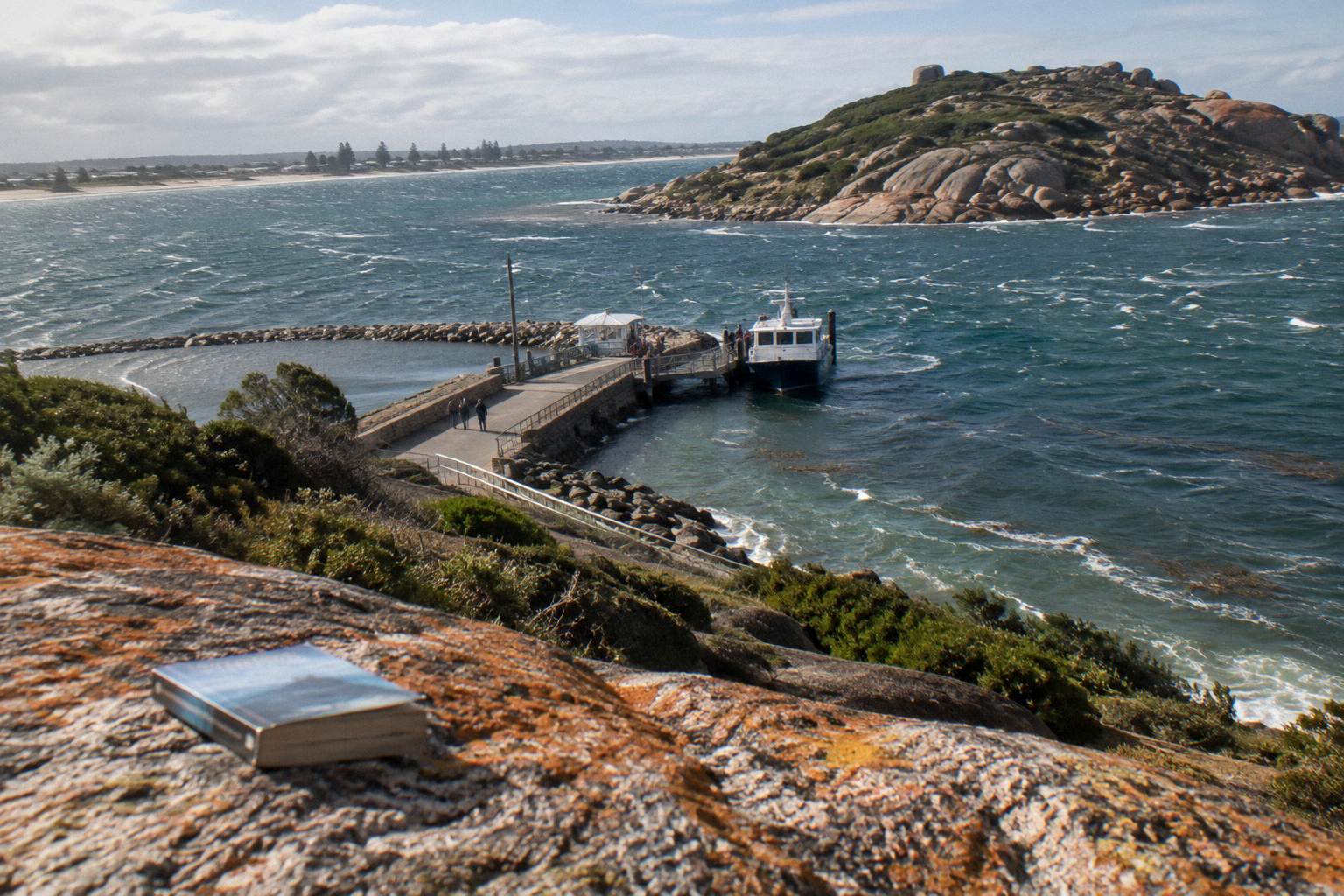
Whale approach distances matter to the time of day question in one quiet way: a trip that finds whales close to the protection area boundary spends its viewing window at range, and that is as true at 10:45 am as at 2 pm. The rules, summarised by the marine parks authority's marine mammal viewing guidance, exist because Encounter Bay is a nursery area, one of three such protection areas in South Australian waters. More background on the species and the season sits in the southern right whale overview, and the local interpretation hub, the SA Whale Centre, publishes a sightings report form and keeps daily hours for walk in questions.
The last word on timing belongs to the structure of the day rather than the whale. A departure is a fixed point around which a good Victor Harbor visit assembles itself: the causeway walk, the island loop, the tram, lunch, the drive. Choose the point that makes the assembly work, check the forecast the night before, and let the whales keep their own clock.