Where Is The Best Whale Watching Near Adelaide?
Victor Harbor and Encounter Bay are the closest reliable whale watching to Adelaide, about 84 km south. Here is the season, the routes down and the tours that run.
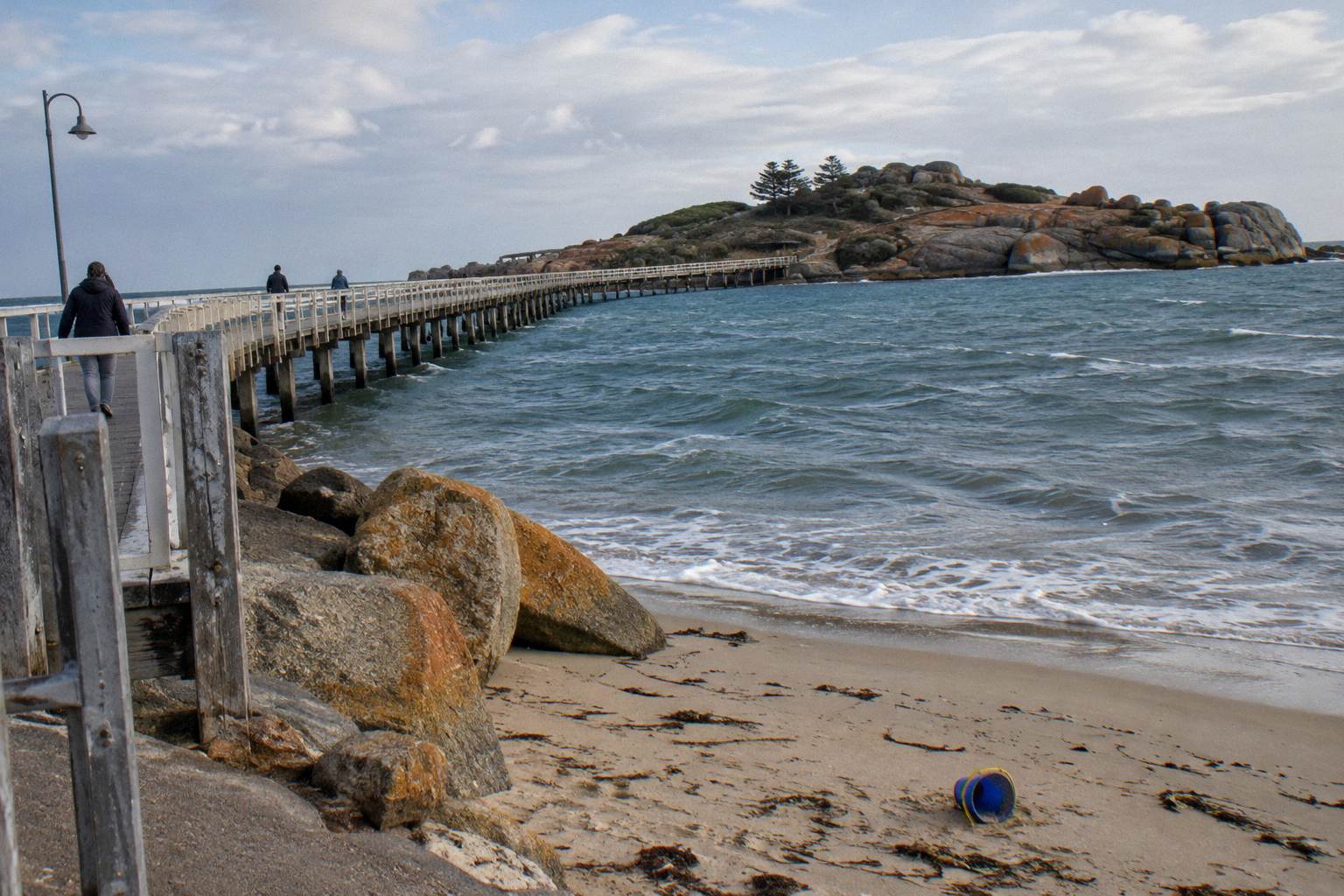
Southern right whales swim north along the South Australian coast each southern winter, and one of the three officially recognised whale nursery areas in the state sits in Encounter Bay, the body of water fronting Victor Harbor. That is roughly 84 km, or about an hour and a quarter by road, from the Adelaide city centre. No other whale destination comes this close to the capital with this kind of protected status, which is why the question of where to watch whales near Adelaide almost always resolves to one town.
In short: Victor Harbor and Encounter Bay are the practical answer for whale watching near Adelaide. The SA Whale Centre, which tracks sightings from its base at 2 Railway Terrace in Victor Harbor, describes the season as May to October, with July and August the most reliable months. A boat tour boards from the Granite Island Causeway, and Adelaide day tours reach the town in about eight hours door to door. All amounts quoted are in Australian dollars.
For planning that goes beyond whales, the Adelaide day tour options for Victor Harbor break down every departure style, and the main whale watching guide for Victor Harbor covers the full season picture.
| Quick Fact | Detail |
|---|---|
| Closest whale destination to Adelaide | Victor Harbor, Encounter Bay |
| Distance by road | About 84 km, about 1 hour 15 minutes |
| Whale season | May to October, most reliable July and August |
| Nursery protection | Encounter Bay Whale Nursery Protection Area |
| Closest boat tour departure | Granite Island Causeway, Victor Harbor |
| Sightings centre | SA Whale Centre, 2 Railway Terrace, open 7 days 10:00 am to 4:00 pm |
Victor Harbor and Encounter Bay are the best whale watching spots near Adelaide, sitting about 84 km from the city with protected nursery waters and working tour infrastructure. According to the SA Whale Centre, whales usually appear in May and stay until early October, with July and August the most reliable months. No other day-trip destination combines a whale nursery with scheduled boat departures.
The southern right whale, the species that makes this coast famous, migrates from sub-Antarctic waters to the comparatively sheltered bays of southern Australia each winter to calve. The Department for Environment recognises three whale nursery areas in South Australia: Encounter Bay, Fowlers Bay and Sleaford Bay. Of those three, only Encounter Bay sits within comfortable reach of Adelaide. Fowlers Bay and Sleaford Bay are both far longer expeditions, on the Eyre Peninsula and near Port Lincoln respectively, and neither is a realistic day trip from the capital.
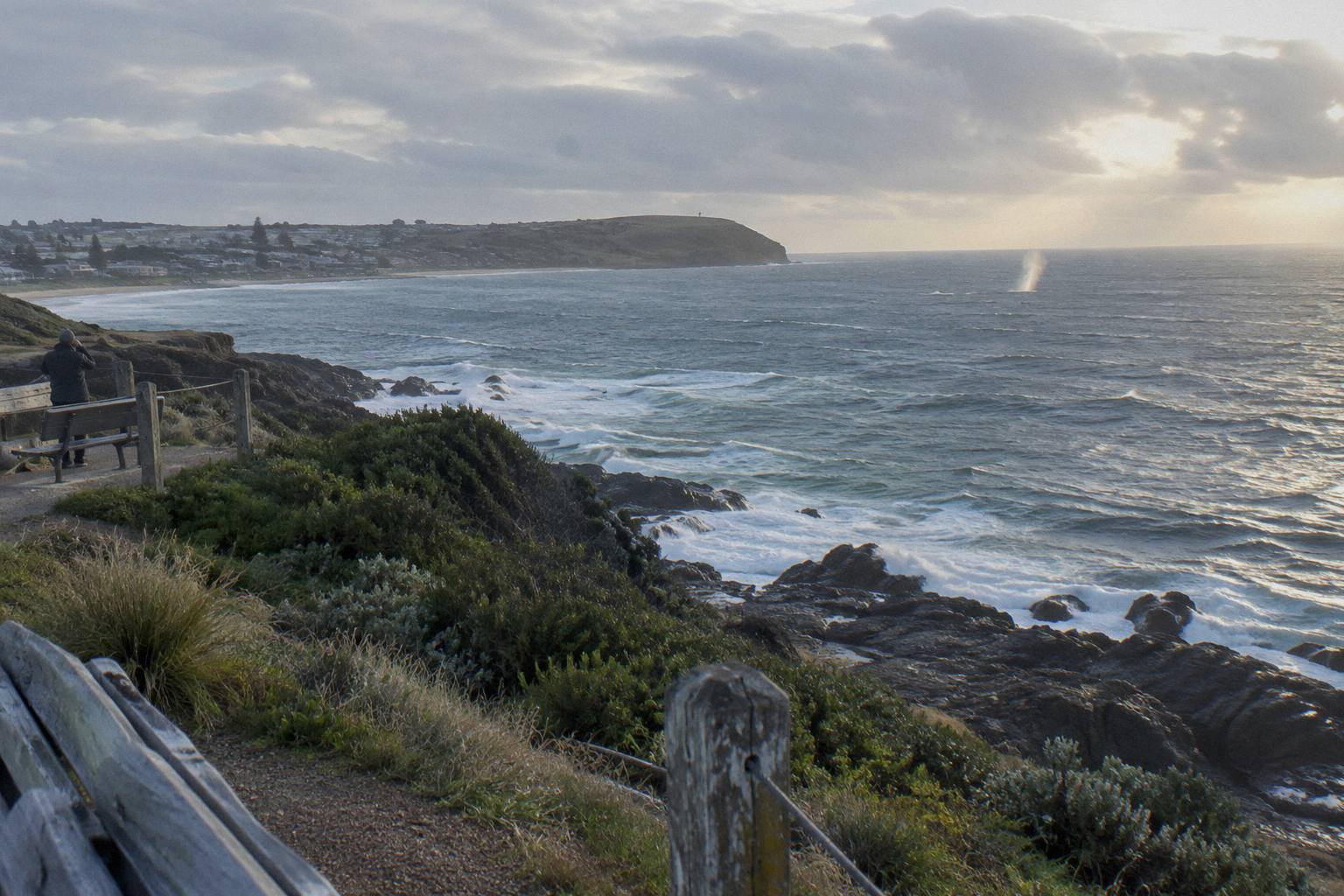
What makes Encounter Bay unusual is how close the whales come to shore. The bay is framed by Rosetta Head, known locally as The Bluff, which stands 97 m above sea level and gives a land-based vantage over much of the water the whales use. The Ramindjeri people of the lower Fleurieu, part of the Ngarrindjeri Nation, know the area as Kondilindjerung, "the home of the whales", a name that predates any tour operator by many thousands of years. When the whales are in, they are often visible from the cliff paths without boarding anything at all.
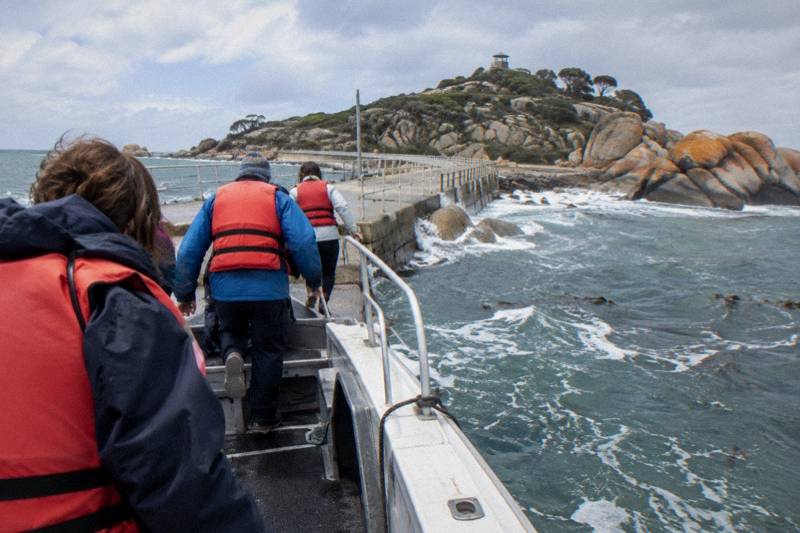
The practical core of a whale trip here is the water. The operator Big Duck Boat Tours runs the Victor Harbor: Southern Ocean Adventure Cruise with Guide, a 1.5-hour run from the Granite Island Causeway aboard Pungari, a 12.5 m rigid-hulled inflatable, from AU$85 per person, rated 4.7 from 163 reviews. Its route threads named landmarks including Seal Island, Wright Island, The Bluff, West Island, Shark Alley, Kings Beach and the Waitpinga cliffs, all inside Encounter Marine Park. The operator's own wording is careful and worth repeating: whales are seen where present and conditions permit, and sightings are not guaranteed. Any honest answer about where to watch whales has to carry that caveat, because no operator in the country can promise a whale.
For visitors who would rather not drive, the From Adelaide: Victor Harbor & Fleurieu Peninsula Day Tour by CP Tours And Charters covers the town and the peninsula in an 8-hour loop from Adelaide hotel pick-up, from AU$149 per person, rated 4.6 from 124 reviews. And for a shorter, cheaper taste of the same bay, the 45-Minute Seal Island Cruise, also from the causeway, runs from AU$55 per person, rated 4.7 from 112 reviews. Between those three, most whale-curious travellers find their fit.
Why Does Encounter Bay Hold The Whales?
Encounter Bay holds the whales because it is a designated nursery protection area, one of only three in South Australia, where mothers calve in sheltered water close to shore. The 2025 marine mammal regulations replaced the old Encounter Bay Restricted Area with the Encounter Bay Whale Nursery Protection Area, tightening the rules vessels must follow inside it. That legal shield keeps boat traffic predictable and the water quiet, which is exactly what a mother and calf need.
The regulation change matters more than it might sound. On 1 September 2025 the National Parks and Wildlife (Protected Animals - Marine Mammals) Regulations 2010 were revoked and replaced by the 2025 regulations, and the South Australian legislation register publishes the new text in full. A non-prescribed vessel may not come closer than 100 m to a whale, and no closer than 300 m if the whale is a calf or the encounter happens inside a protection area such as the Encounter Bay nursery zone. Inside 300 m a boat must travel at no more than 4 knots and may stay no longer than 60 minutes. Jet skis and other prescribed vessels must keep 300 m from any marine mammal, aircraft and drones 300 m, and helicopters and gyrocopters 500 m.
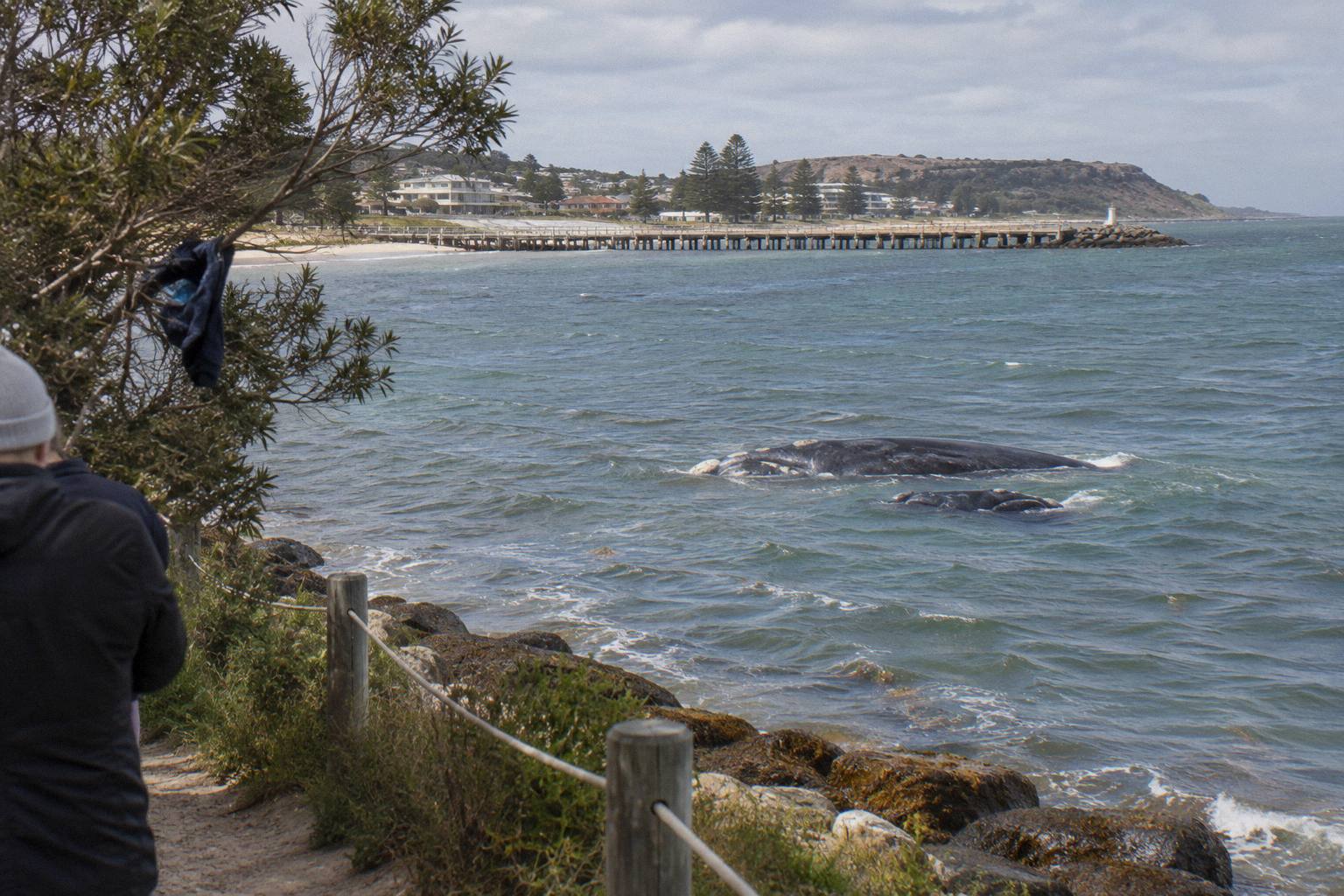
For a visitor, those numbers translate simply: the tour boat you board keeps a lawful, respectful distance, and the whale decides whether to come closer. Southern right whales are famously curious around calm vessels, and mothers with calves will sometimes rest near the surface well inside view of a patient boat sitting at the legal limit. The rules for viewing marine mammals published by the state's marine parks agency are the reference every operator works under.
Should You Book A Boat Or Watch From The Cliffs?
The honest answer is both, in that order of ambition. The boat puts you at eye level with the water and covers the whole bay in 90 minutes, while the cliffs at Rosetta Head and along the Heysen coastal path cost nothing and sometimes deliver the better frame, a whale silhouette against the low winter light. The SA Whale Centre in Victor Harbor collects sightings reports and posts what is being seen in the bay, open 7 days from 10:00 am to 4:00 pm at the old Railway Goods Shed, so a morning stop there before a departure is the cheapest intelligence you will ever get.
Booking carries a safety net worth naming. Every tour in the line-up here carries free cancellation up to 24 hours before start for a full refund, plus a reserve-now-pay-later option, as read on each booking page. Big Duck cancels departures in rough or unsafe conditions, typically the day before by text and email, with a full refund or reschedule, and short-notice cancels are possible. Rain alone does not necessarily cancel a trip. If the whales have moved on or the forecast turns, a 24-hour buffer means the decision is reversible.
How Do You Get From Adelaide To The Whale Water?
The drive from the Adelaide city centre to Victor Harbor is about 84 km and takes about 1 hour 15 minutes, most of it down the Southern Expressway and Main South Road. A direct coach from Adelaide Central Bus Station runs most days and takes just under two hours. There is no regular Adelaide to Victor Harbor train, though the heritage Cockle Train runs along the coast between Goolwa and Victor Harbor on selected days.
The getting-here guidance for Victor Harbor and the LinkSA timetable both describe the coach link, route 1251 from Goolwa to Adelaide via Victor Harbor, which makes a car-free whale day genuinely possible, if tighter than driving. The coach arrives within walking distance of the town centre, and the Granite Island Causeway departure point for the boat tours is a level walk from there, about 650 metres out to the island on foot in around 20 minutes.
| Route | Time | Notes |
|---|---|---|
| Drive, city centre to Victor Harbor | About 1 hour 15 minutes | About 84 km via the expressway |
| Direct coach, Adelaide Central Bus Station | Just under 2 hours | Runs most days, LinkSA route 1251 |
| Guided day tour from Adelaide | 8 hours | Hotel pick-up or central bus station, guide included |
| Cockle Train, Goolwa to Victor Harbor | Coastal heritage run | Wednesday, Saturday, Sunday plus school holidays; not run at forecasts of 35 °C or more |
The guided option deserves its own sentence. A day tour such as the 8-Hour Fleurieu Peninsula Day Trip removes the driving, the parking and the causeway timing puzzle in one booking, and pairs the whale coast with Port Elliot and the peninsula hinterland. It departs from Adelaide hotel pick-up, from AU$149 per person, rated 4.6 from 124 reviews, with the same 24-hour free cancellation as everything else in the roster. The full index of guides sits on Victor Harbor Tours.
The SteamRanger Cockle Train is a lovely footnote rather than a plan: it connects Goolwa and Victor Harbor along the beach on a heritage steam or diesel set, running Wednesdays, Saturdays and Sundays through the year plus school holidays, long weekends and Easter week, and it stops when the Victor Harbor forecast reaches 35 °C or more. It is not a whale product and no bookable Cockle Train ticket sits in the tour roster, but it explains why people sometimes assume a train runs from Adelaide. It does not.
When Should You Go For Whales?
For the most reliable whale sightings, plan your visit for July or August. The SA Whale Centre describes the season as running May to October, with the first whales usually appearing in May and the last gone by early October, while the operator Big Duck frames its local season as June to September. Both agree that July and August are the best months, when sightings are most dependable.
Midwinter here is milder than the calendar suggests. Bureau of Meteorology averages for the Victor Harbor station put the July mean maximum at 15.5 °C and the mean minimum at 6.6 °C, with July also the wettest month on average at 79.7 mm. June follows closely at 83.4 mm. That is a trip to pack for, not a trip to fear: waterproof layer, warm hat, closed shoes, and a change of clothes for small children is the standard kit for a small-craft departure in these months. The climate averages for Victor Harbor are published by the Bureau and are the numbers to plan around.
| Month | Mean Max | Mean Min | Mean Rainfall | Whale Outlook |
|---|---|---|---|---|
| May | 18.6 °C | 8.8 °C | 60.7 mm | First whales usually arrive |
| June | 16.2 °C | 7.2 °C | 83.4 mm | Season building |
| July | 15.5 °C | 6.6 °C | 79.7 mm | Most reliable month |
| August | 16.4 °C | 6.8 °C | 72.8 mm | Most reliable month |
| September | 18.5 °C | 7.7 °C | 55.4 mm | Season tapering |
| October | 20.6 °C | 9.1 °C | 40.3 mm | Last whales, early October |
One timing detail that catches people out: whales are not the only wildlife in the bay, and the seals and seabirds that the operators describe around Seal Island are present year round, not only in winter. A July trip targets whales; a November trip is a seal-and-coastline trip and should be booked as one. The southern right whale is strictly a seasonal visitor, and booking a whale-adjacent tour in the off season and hoping is the single most common disappointment in this market.
What Is A Whale Tour Actually Like From The Water?
A whale tour from Victor Harbor is a fast, exposed, small-craft run of 45 to 90 minutes, boarding from a landing about 300 m out along the Granite Island Causeway and covering the bay's named landmarks inside Encounter Marine Park. The 1.5-Hour Ocean Adventure, Guide departs around 10:45 am, adds a 2 pm run when busy, and carries a narrating guide, so expect a genuine boat ride rather than a cruise-ship deck.
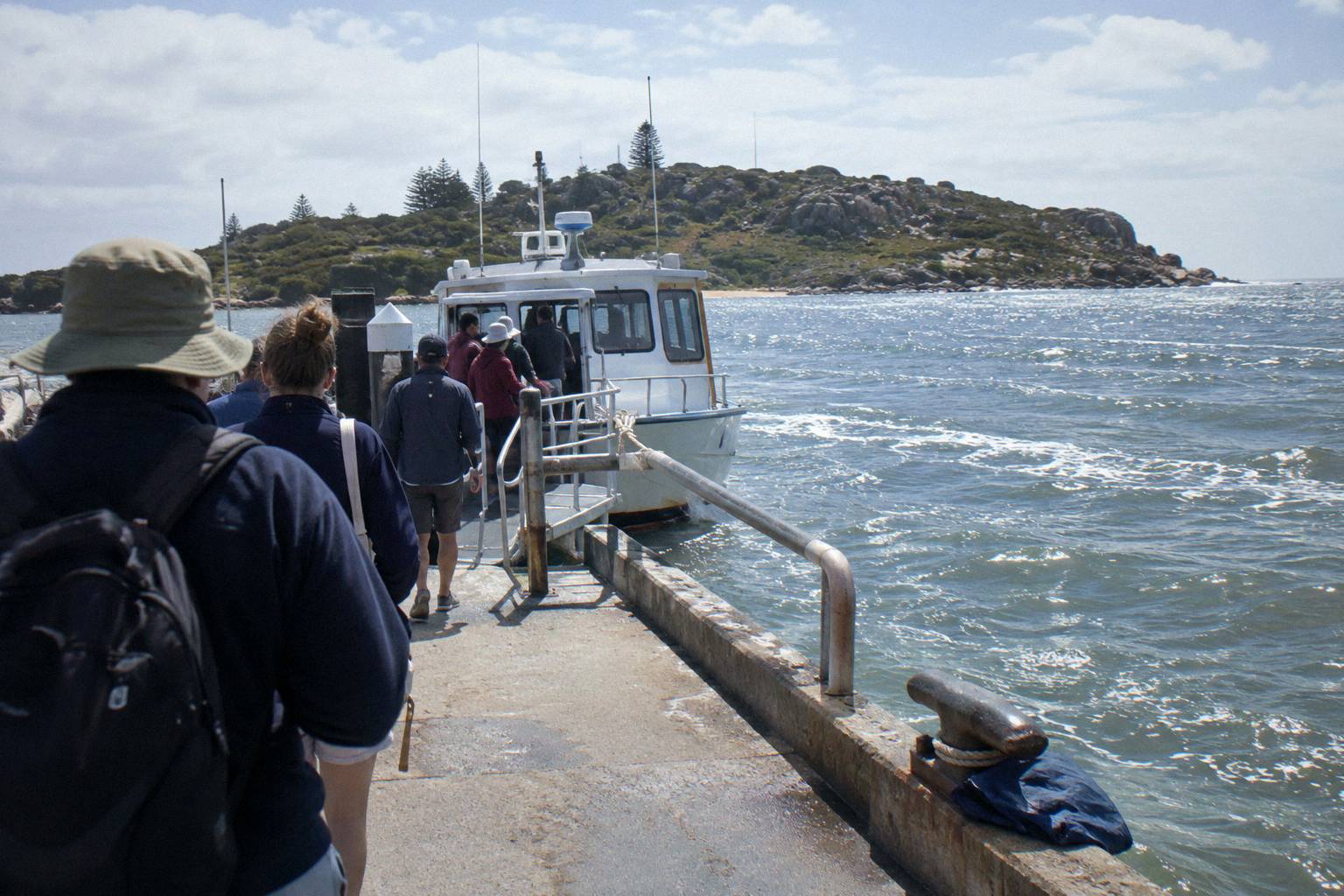
Pungari, the 12.5 m rigid-hulled inflatable used on the Southern Ocean Adventure, is built for exactly this water: open southern ocean swells, quick course changes and close-quarters wildlife viewing within the legal distance rules. Passengers board from the causeway landing, which means a walk of a few hundred metres along the causeway itself, and the operator asks for on-time arrival because late arrivals get no refund. Minimum age is 2, children aged 2 to 15 travel with an adult, and the operator states the trip is not suitable for pregnant passengers. The booking terms also note that routes are subject to change with weather and wildlife, which on this coast is not fine print, it is the whole game.
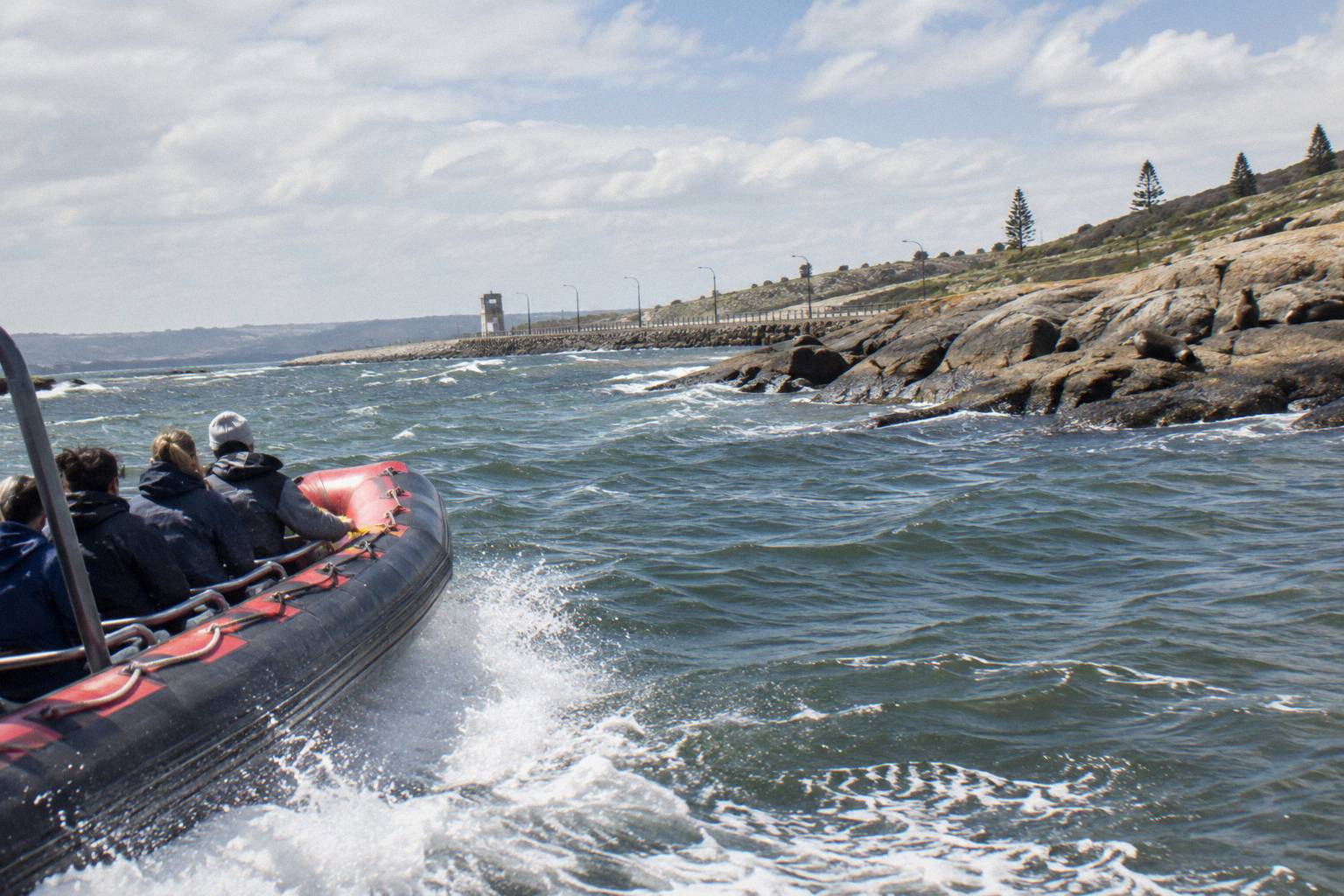
If 90 minutes of open water sounds like too much, the shorter 45-Minute Seal Island Cruise covers the nearer islands and the same boarding point at about 12:45 pm, from AU$55 per person. It is the gentlest introduction to the bay on the books, and in July or August it passes through the same whale-adjacent water, though the operator makes no promises about whales on it either. The seals and seabirds the operator describes around the island are the dependable cast; the whale is the guest who usually, but not always, shows up in season.
For travellers basing themselves in Adelaide without a car at all, the question of reach is answered in detail in the guide to visiting Victor Harbor without a car, which works through the coach timings and the walking distances from stop to causeway.
What Mistakes Trip Up Whale Watchers Near Adelaide?
The biggest mistakes are booking outside the July and August peak and still expecting whales, arriving without a reserved departure only to find the boat full, dressing for city weather instead of an open boat, showing up late at the causeway landing, and mistaking a cheap seal cruise for a whale-targeted trip. The one you cannot control is the sea itself, which can cancel any departure, but the first five are all fixed with a calendar and a bookmark.
Late arrival deserves its own warning because the consequence is blunt. The operator's terms state that late arrivals receive no refund, and the boarding point is not at the causeway gate but a landing roughly 300 m out along it. Building in the walk, plus parking time in a town that is busy on winter weekends, is the difference between a whale morning and an expensive stroll. The 24-hour free-cancellation window protects against weather and plans changing, not against a missed departure time.
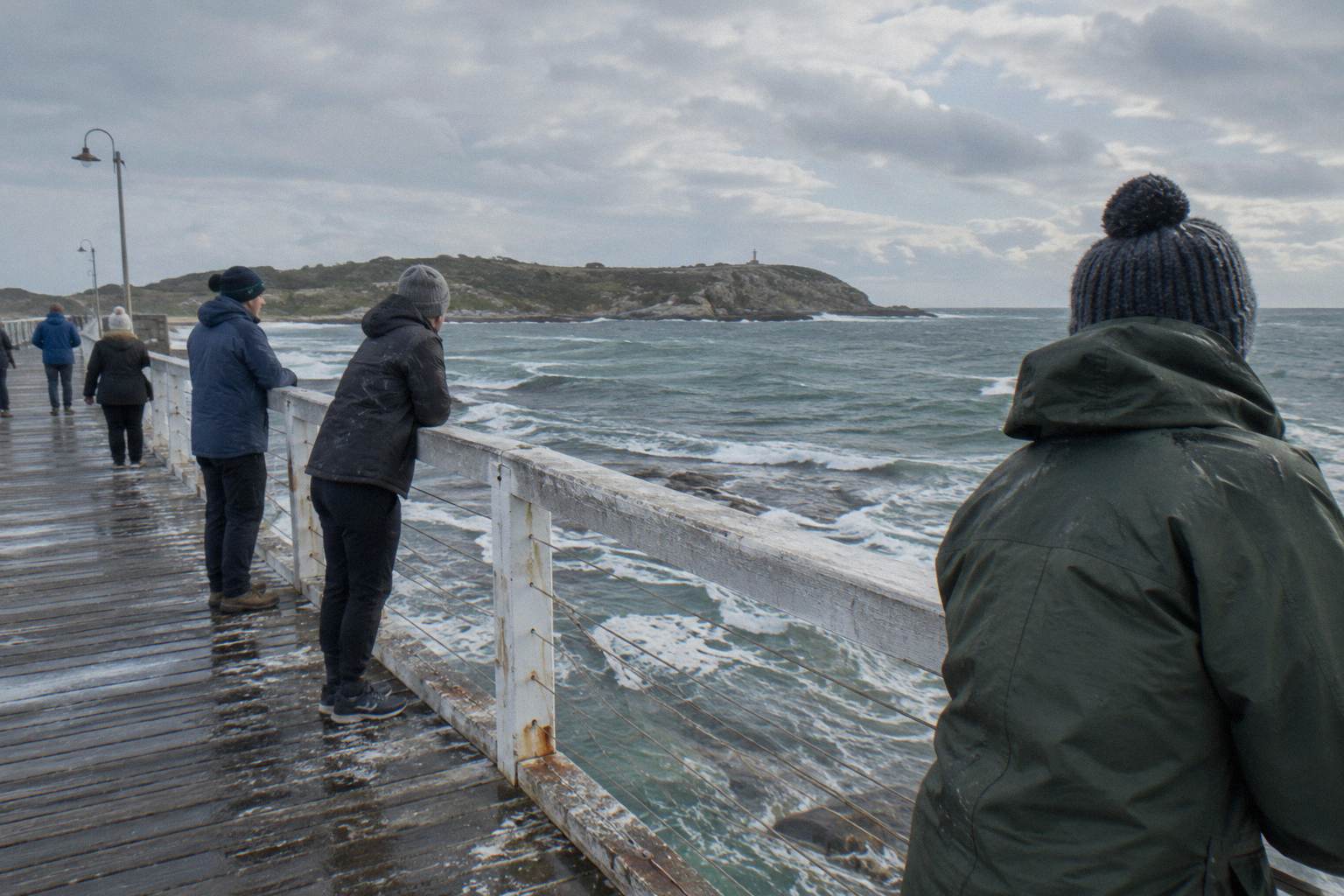
The second regular mistake is over-reading the season. May and October sit inside the official window, and whales are indeed usually seen from May, but the edges of the season are exactly that, edges. A traveller who can only travel in, say, late October should plan around the seals, the cliffs and the town, treat any whale as a bonus, and pick the shorter cruise accordingly. The month-by-month detail is laid out in the whale watching season calendar, which is the page to read before picking a date.
The third is treating all departures as interchangeable. The ocean adventure and the seal cruise share a boarding point and an operator, but they differ in distance, exposure, duration and price, from AU$85 and AU$55 per person respectively. Matching the boat to your stomach, your children's ages and your wildlife priorities is the real decision, and the comparison of whale watching boat tours works through it side by side.
Common Questions About Whale Watching Near Adelaide
Where Is The Best Whale Watching Near Adelaide?
Victor Harbor and Encounter Bay, about 84 km or an hour and a quarter by road from the Adelaide city centre. Encounter Bay is one of three recognised whale nursery protection areas in South Australia, and the only one within day-trip range of the city. July and August are the most reliable months.
Can You See Whales From Shore At Victor Harbor?
Often, yes, when whales are present in the bay. Rosetta Head, The Bluff, stands 97 m above sea level and overlooks much of the water the whales use, and the cliff paths cost nothing. The SA Whale Centre in Victor Harbor tracks sightings reports and is the best stop for what is being seen on a given day.
How Long Is The Whale Season Near Adelaide?
May to October, per the SA Whale Centre, which says first whales usually appear in May and can be found until early October. The operator Big Duck frames its local season as June to September. Both agree that July and August are the best or most reliable months.
Do Whale Tours Get Cancelled For Weather?
Yes. Big Duck cancels departures in rough or unsafe conditions, typically the day before by text and email, with a full refund or reschedule, and short-notice cancels are possible. Rain alone does not necessarily cancel a trip. Every tour in the line-up carries free cancellation up to 24 hours before start for a full refund.
Can You Get To Victor Harbor From Adelaide Without A Car?
Yes. A direct coach from Adelaide Central Bus Station runs most days and takes just under two hours, and guided day tours depart from Adelaide hotels or the central bus station. There is no regular train from Adelaide; the Cockle Train is a heritage coastal service between Goolwa and Victor Harbor on selected days only.
Are Whale Sightings Guaranteed On A Boat Tour?
No. The operator states plainly that whales are seen where present and conditions permit, and that sightings are not guaranteed. What is dependable in the bay year round is the seal and seabird life around the islands, and the coastline itself inside Encounter Marine Park.