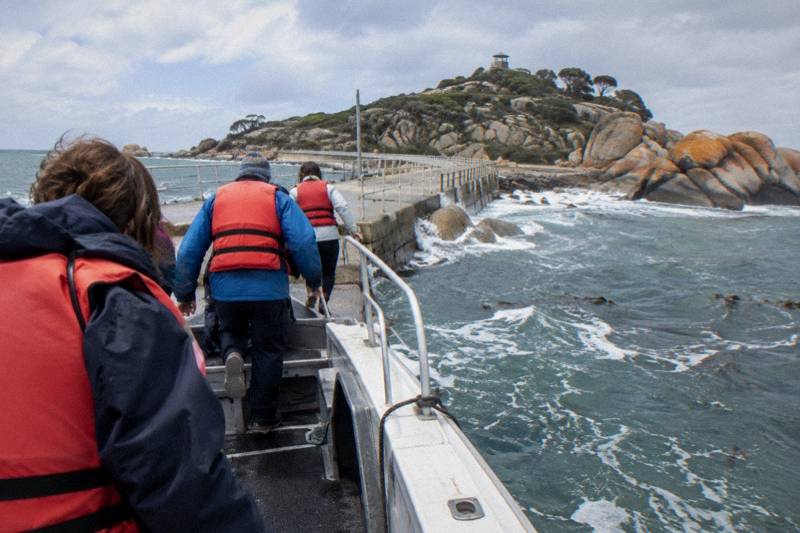
Is Victor Harbor Worth Visiting For A Boat Or Whale Tour?
A season-by-season and trip-by-trip answer to whether Victor Harbor justifies the drive for a boat tour or whale watching, with prices, timings and weather rules.
Southern right whales turn up in Encounter Bay every southern winter, and a small coastal town 84 km from Adelaide by road has spent more than a century building a visitor economy around exactly that. The question for a traveller is narrower than it looks: does the place reward the drive and the fare, and if so, in which month and on which boat. The answer depends almost entirely on season and sea state.
In short: Victor Harbor is worth the trip between May and October if whales are the goal, with July and August the most reliable months according to the SA Whale Centre. Outside whale season the boat trips still run and still sell, on seals, cliffs and coastline rather than cetaceans. The two Big Duck departures from the Granite Island Causeway cover the water side from AU$55 per person, and every booking page in the line-up carries free cancellation up to 24 hours before. Sighting anything specific is never promised; the weather and the animals decide.
For the wider picture across the coast's operators, the Victor Harbor boat tours overview sorts the fleet by trip type, and the whale watching guide for Victor Harbor works through the whale season in detail.
| Quick Fact | Detail |
|---|---|
| Whale season | May to October; July and August most reliable (SA Whale Centre) |
| Signature boat trip | Southern Ocean Adventure Cruise with Guide, 1.5 hours, from AU$85 per person |
| Short water option | Seal Island Cruise, 45 minutes, from AU$55 per person |
| Main departure point | Granite Island Causeway, Victor Harbor |
| Drive from Adelaide | About 84 km, about 1 hour 15 minutes |
| Free cancellation | Up to 24 hours before, on every booking page in the line-up |
Yes, with a calendar attached. Victor Harbor is genuinely worth visiting for a whale tour between May and October, and the SA Whale Centre calls July and August the most reliable months, because southern right whales rest in Encounter Bay close to shore. From November to April the same water carries seal and coastline cruises instead, shorter, cheaper and steady year round. What the town does not offer is a guaranteed sighting of anything, and every operator says so plainly.
The reason the whale product here is real rather than marketing is geography. Encounter Bay is one of a small number of places where the whales come close enough to town that a 90 minute boat trip can reach them, and the South Australian regulations recognise it: the bay is now formally the Encounter Bay Whale Nursery Protection Area, one of three such areas in the state alongside Fowlers Bay and Sleaford Bay. A nursery designation means a vessel holding a marine-mammal permit can operate near whales that are already close inshore, inside distance limits that bind everyone. The rules, set under regulations that replaced the old 2010 text on 1 September 2025, keep ordinary boats 100 m from a whale, 300 m where a calf or the nursery area is involved, and cap approach speed at 4 knots within 300 m with a 60 minute limit. Those constraints shape the trip: it is a slow, respectful pass, not a chase.
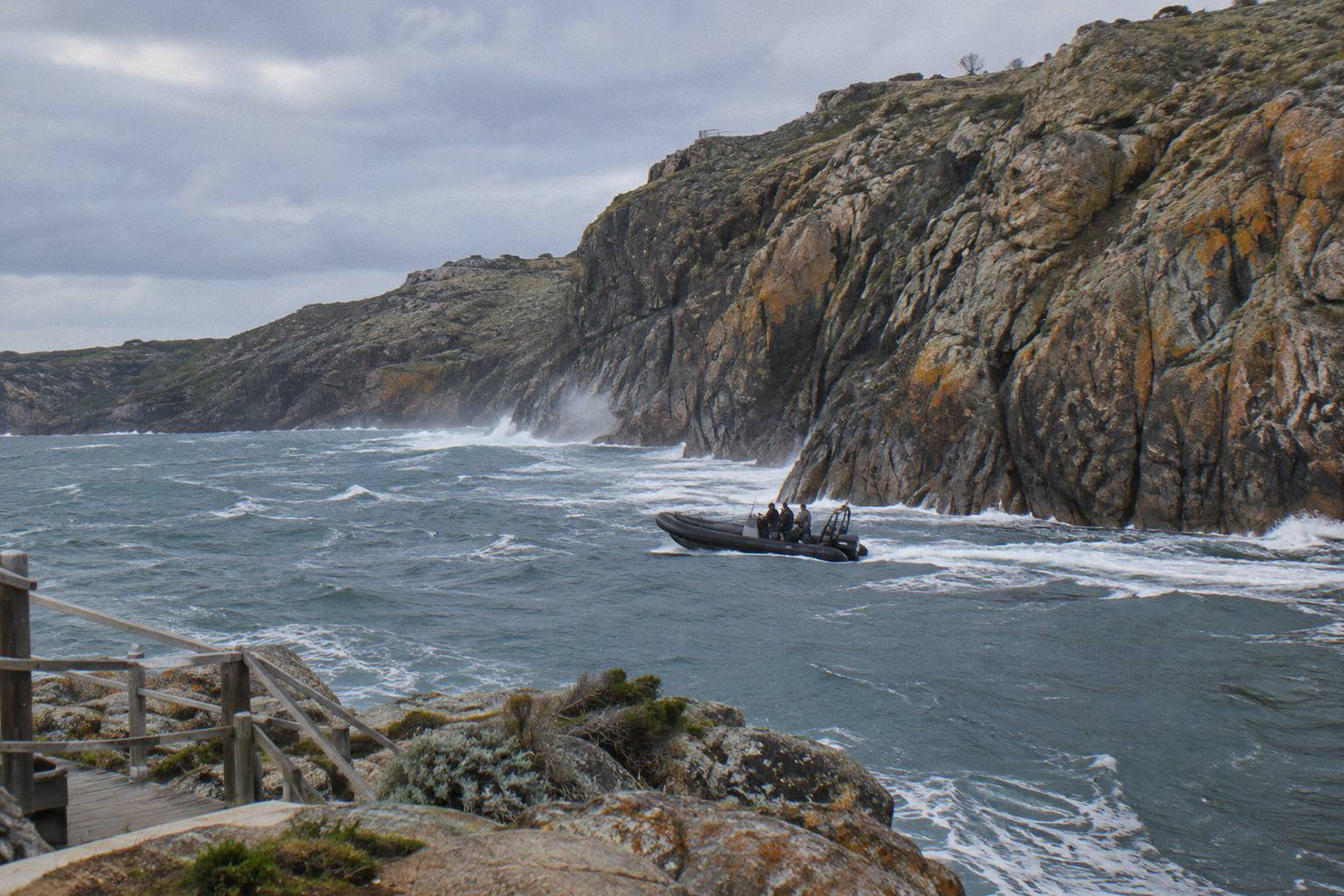
The water side of the town is anchored by Big Duck Boat Tours, which runs two bookable products from the Granite Island Causeway. The flagship is the Victor Harbor: Southern Ocean Adventure Cruise with Guide, a 1.5 hour run aboard Pungari, a 12.5 m NAIAD rigid-hulled inflatable, from AU$85 per person, rated 4.7 from 163 reviews. The shorter option is the Victor Harbor: Seal Island Cruise, 45 minutes, from AU$55 per person, rated 4.7 from 112 reviews. The operator describes the Southern Ocean Adventure route as Seal Island, Wright Island, The Bluff, West Island, Shark Alley, Kings Beach and the Waitpinga cliffs, all inside Encounter Marine Park. On whales, the operator's own wording is that sightings happen where whales are present and conditions permit, which is the honest position and the one to plan around.
Those two, plus a town walk that fills a non-boating morning, are the practical shortlist for a first visit.
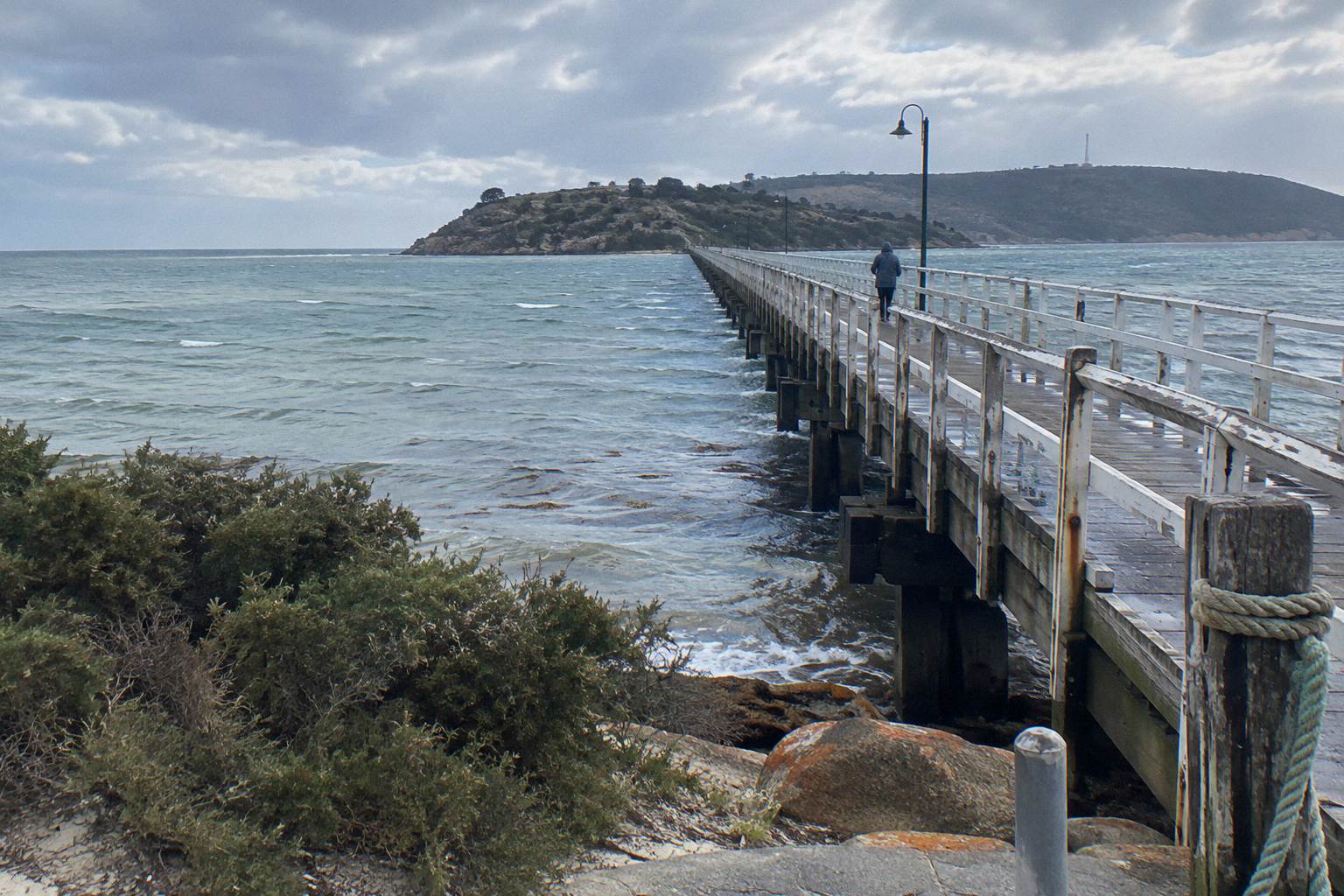
Whether that shortlist is worth it also depends on what the town itself adds. The causeway, about 650 metres one way and a 20 minute walk, was rebuilt and reopened to pedestrians on 22 December 2021 after a AU$43 million state commitment, with the original 1875 structure partly retained as viewing platforms. Granite Island Recreation Park is free to enter and open in daytime, subject to weather and fire-danger closures. The horse-drawn tram crosses the causeway every day of the year except Christmas Day, weather permitting, with the first departure from Victor Harbor at 10:30 am. It is a working heritage operation, tickets at the causeway, and it frames the boat departures nicely: most visitors walk or ride out, take the cruise, and walk the Kaiki loop, a 2.9 km circuit around the island that takes about an hour.
What Can You Actually See From The Water?
Seals, sea lions and seabirds at Seal Island year round, and whales in winter where the season and the skipper allow. The operator describes the Seal Island trip as a place where fur seals, sea lions and seabirds wait, and that is the standing draw outside whale months. Rosetta Head stands 97 m above the sea and the trip runs beneath it. No operator promises a sighting, and the booking terms say routes change with weather and wildlife.
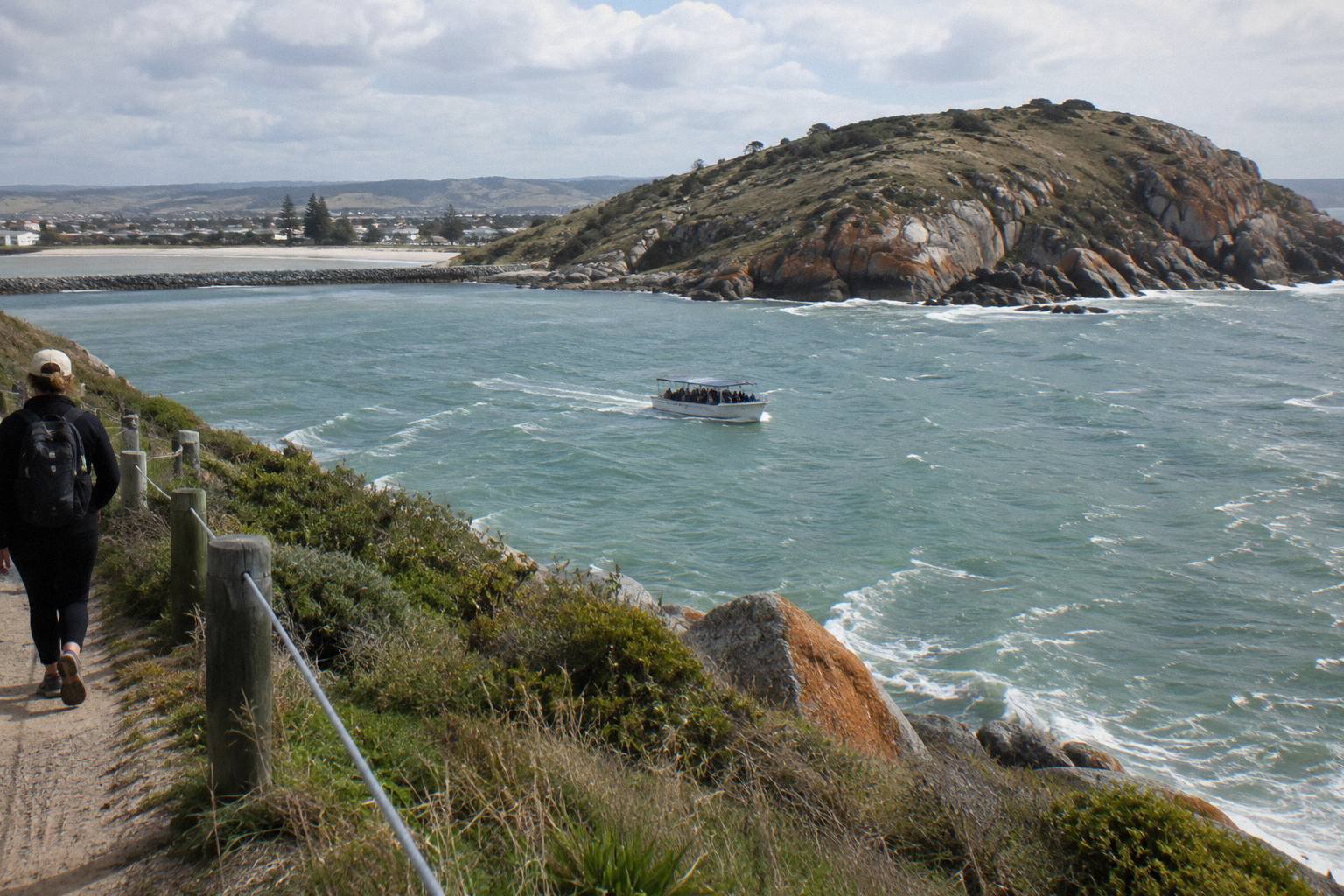
The seals are the reliable half of the equation. Long-nosed fur seals and Australian sea lions haul out along this coast permanently, so a 45 minute run to Seal Island in any month has a reasonable chance of delivering animals on the rocks, and the operator's marketing leans on exactly that. Whales are the seasonal half: southern right whales migrate from sub-Antarctic waters to the southern Australian coast through winter, and cows with calves linger in shallow, sheltered bays. Encounter Bay's shape suits them, which is why the Ramindjeri name for the area, Kondilindjerung, translates as the home of the whales, a naming that predates the town by a very long way.
The whales' protected status is not decorative. Under the 2025 marine-mammal regulations, the Encounter Bay Whale Nursery Protection Area carries a 300 m approach limit for vessels that would otherwise be allowed within 100 m, jet skis and other prescribed vessels must stay 300 m from any marine mammal, and aircraft and drones must keep 300 m, or 500 m for helicopters and gyrocopters. The marine park authority's marine-mammal viewing rules spell out the same distances for anyone watching from their own craft. A licensed tour boat works inside those limits with a permit, and the skipper's judgement is final on both route and duration near animals. That is worth knowing before booking, because it sets expectations: the boat slows, keeps its distance, and lets the whales decide how close the encounter feels.
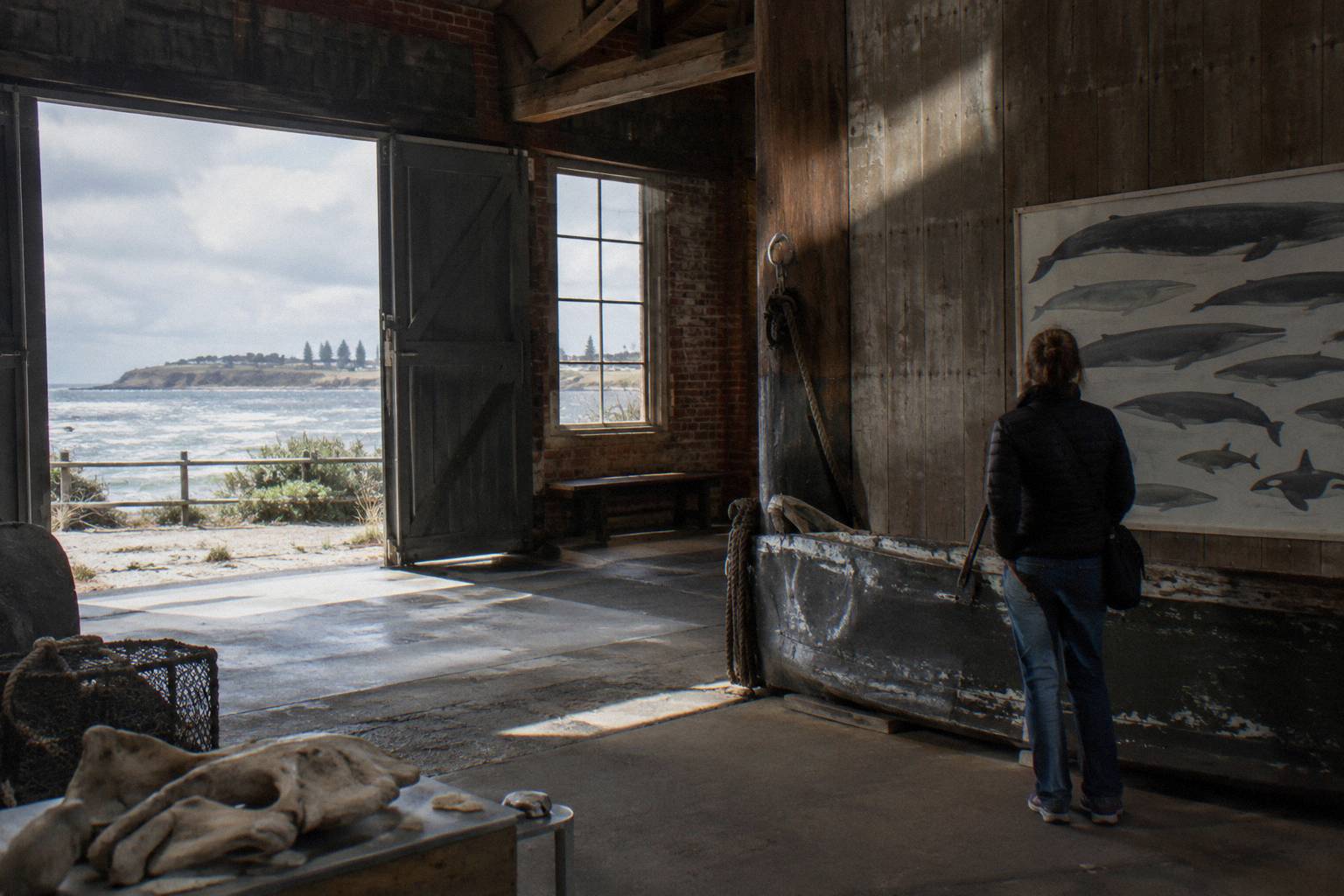
For shore-based checking before committing to a fare, the SA Whale Centre at 2 Railway Terrace, in the old Railway Goods Shed, is open seven days from 10:00 am to 4:00 pm, publishes a sightings report form, and takes calls on 08 8551 0750. Its season guidance, that first whales usually appear in May and can be found until early October with July and August the most reliable window, is the planning baseline most local operators repeat. If whales are the entire reason for the trip, the centre's current sightings are the single best input into whether to book a boat or watch from the cliff tops at the SA Whale Centre's own sightings channel.
When Is The Best Time Of Year To Go?
July and August, if whales are the point; November to April, if seals and coastline are enough and warmer clothing is not. The SA Whale Centre frames the season as May to October, first whales usually in May, last in early October, and Big Duck describes its local whale season as June to September with July and August best. Rainfall peaks in the same window, so the trade is wildlife against weather.
The climate record explains why a winter whale trip here is a different experience from a summer one. Bureau of Meteorology averages for Victor Harbor show mean maximums of 15.5 °C in July and 16.4 °C in August against 25.2 °C in January, with mean rainfall of 79.7 mm in July and 72.8 mm in August against 21.6 mm in January. Annual mean rainfall is 549.4 mm, and the wet half of the year is unmistakably the whale half. None of that stops the boats: the operator's terms say rain alone does not necessarily cancel a departure, only rough and unsafe conditions do, typically decided the day before by text and email. The BOM climate averages for Victor Harbor put hard numbers on what to pack for.
| Period | Whale Likelihood | Conditions And What To Expect |
|---|---|---|
| May | First arrivals possible | Shoulder month, mean max 18.6 °C, moderate crowds |
| June to July | Core season, July most reliable | Cold, mean max 15.5 to 16.2 °C, wettest months |
| August | Core season, most reliable | Cold, mean max 16.4 °C, calves present in the bay |
| September | Late season | Operator's whale season ends this month, winds pick up |
| October | Last whales to early October | Mean max 20.6 °C, seals carry the wildlife side |
| November to April | Outside whale season | Warm to hot, dry, seal and coastal cruises run |
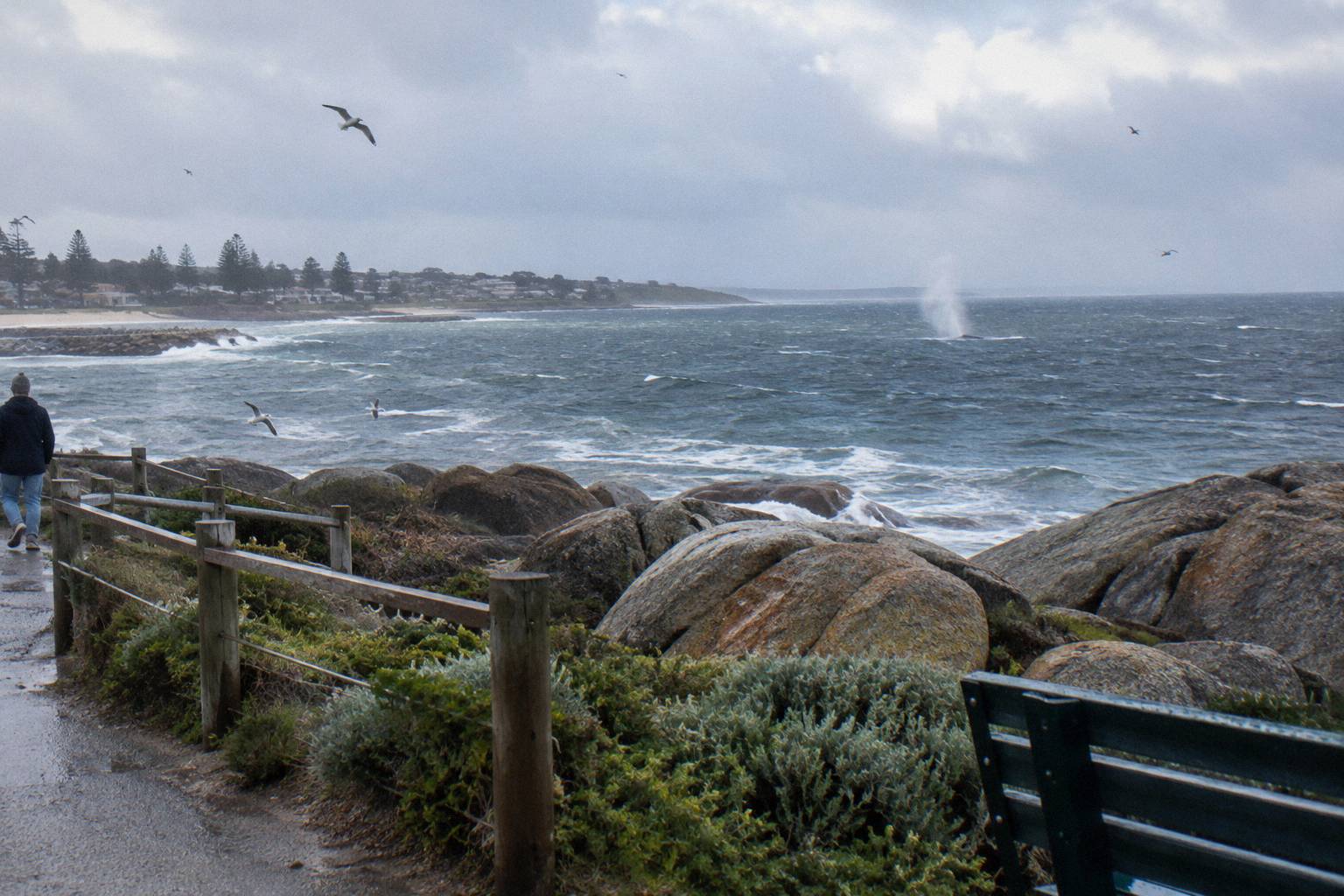
One timing trap deserves its own sentence: whale season is not seal season's opposite. The Seal Island Cruise and the Southern Ocean Adventure run on their posted schedules across the year, and the operator's terms list the Southern Ocean Adventure at about 10:45 am with an extra 2 pm departure when busy, and the Seal Island trip at about 12:45 pm. A visitor in February sees everything except whales; a visitor in August may see everything including them. Booking for July or August and accepting the cold and the rain risk is the highest-probability play, and the 24 hour free-cancellation terms on every booking page mean an unfavourable forecast can be walked back the day before without losing the fare. The wider set of guides lives on Victor Harbor Tours.
What Do The Boat Trips Cost And How Long Do They Run?
The water options run from AU$55 to AU$85 per person for the Big Duck departures, both meeting at the Granite Island Causeway, with the seal trip at 45 minutes and the ocean adventure at 1.5 hours. A walkable alternative, the Discover Victor Harbor Guided Walking Tour, is 1.5 hours from AU$35 per person. All amounts are Australian dollars, and each carries free cancellation up to 24 hours before.
The two Big Duck products differ enough to be a real choice rather than a long and short version of the same thing. The Southern Ocean Adventure, rated 4.7 from 163 reviews, covers the longer coastal route past The Bluff and the Waitpinga cliffs on a rigid-hulled inflatable, which is a fast, spray-prone, hold-on boat; boarding is from a landing about 300 m out along the causeway, minimum age is 2 with children aged 2 to 15 accompanied by an adult, and the operator states it is not suitable for pregnant passengers. The Seal Island Cruise, rated 4.7 from 112 reviews, is the shorter, steadier wildlife run. The operator's own Southern Ocean Adventure page carries the current schedules and vessel detail.
| Trip | Operator | Duration | Meeting Point | From Price | Rating |
|---|---|---|---|---|---|
| Southern Ocean Adventure Cruise with Guide | Big Duck Boat Tours | 1.5 hours | Granite Island Causeway | AU$85 per person | 4.7 from 163 reviews |
| Seal Island Cruise | Big Duck Boat Tours | 45 minutes | Granite Island Causeway | AU$55 per person | 4.7 from 112 reviews |
| Discover Victor Harbor Guided Walking Tour | Victor Harbor Walking Tours | 1.5 hours | 1 Esplanade, Victor Harbor | AU$35 per person | 5.0 from 9 reviews |
| Shipwrecks & Settlers Walking Tour | Victor Harbor Walking Tours | 75 minutes | 60 Franklin Parade, Encounter Bay | AU$35 per person | No rating yet |
For travellers pairing the coast with the river, the Spirit of the Coorong fleet from Goolwa Main Wharf extends the same day into different water entirely: a 90 minute Murray Mouth Cruise from AU$62 per person, rated 4.7 from 116 reviews, or a 3.5 hour run into Coorong National Park from AU$125 per person, rated 4.8 from 179 reviews. The Murray Mouth, where the Murray-Darling Basin's only outlet to the sea sits behind five barrages near Goolwa, is a landscape story rather than a wildlife one, and it holds when the whales do not. Whether that pairing beats a second Big Duck departure is a fair question for anyone with a full day, and the Goolwa boat tours guide works through it trip by trip.
The Southern Ocean Adventure remains the single best answer to the article's question, and check availability next to the full trip write-up if the July or August window is in range.
What If The Weather Turns Or The Conditions Look Rough?
Every operator in the line-up cancels for safety, not for rain, and refunds or reschedules when it happens. Big Duck cancels in rough or unsafe conditions, typically notifying the day before by text and email with a full refund or reschedule. The Coorong kayak operator calls trips off at forecast winds of 15 knots or above, or where lightning is possible. Late arrivals at the jetty get no refund, so the clock matters as much as the sky.
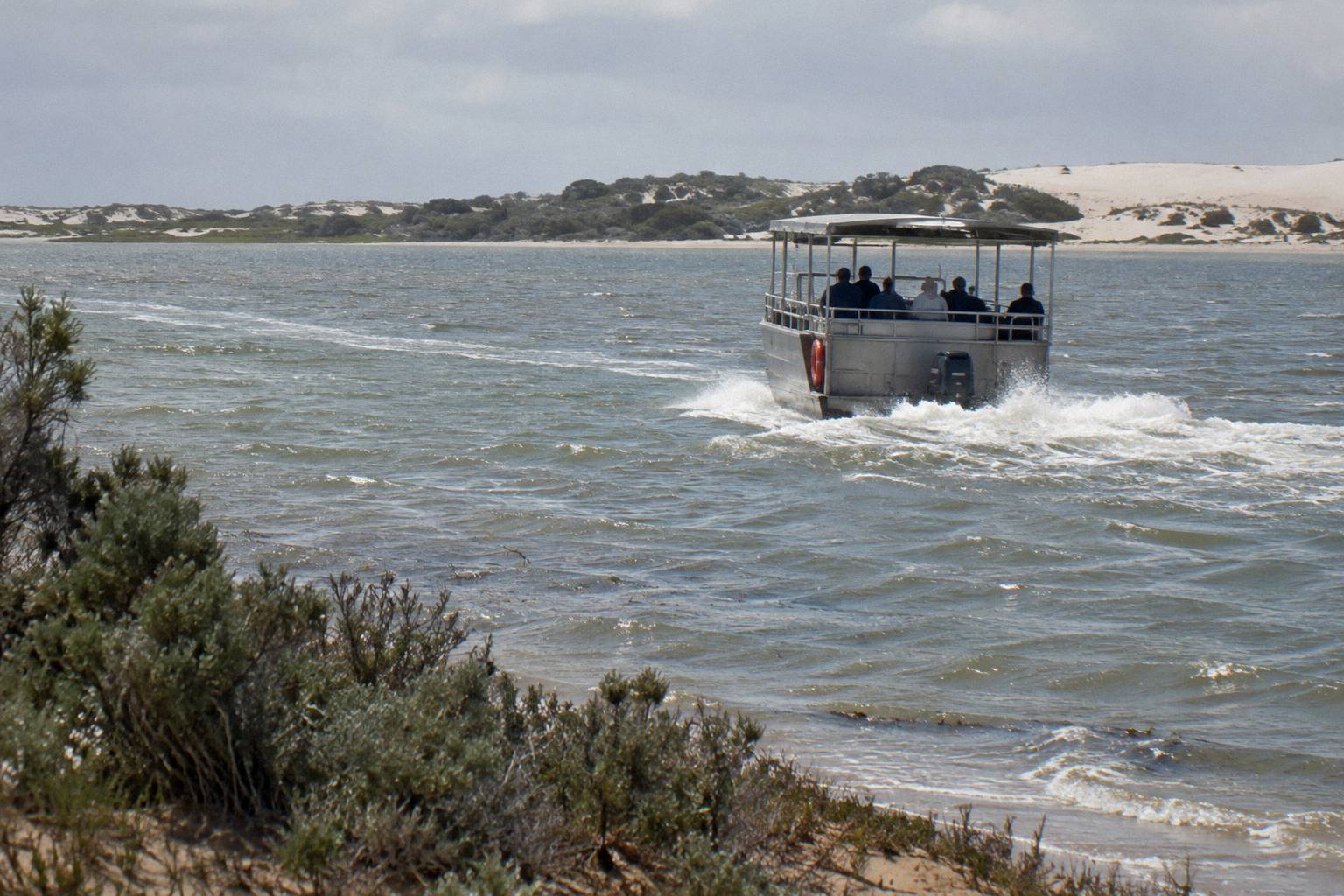
The practical reading of those policies is that the booking risk sits with the operator and the punctuality risk sits with the visitor. A winter whale booking in Victor Harbor is not a gamble on the fare, because the 24 hour free-cancellation window plus the operator's own weather cancellations cover almost every bad outcome; it is a gamble on the sighting, which nobody sells as certain. The town's whale-watching economy absorbs this honestly: the SA Whale Centre publishes sightings, the operators describe their seasons with dates attached, and the regulations exist precisely because the animals sometimes are right there. Seasickness is the other variable, and a 12.5 m rigid-hulled inflatable in a swell is a firmer test than a river cruiser; anyone unsure should read the seasickness write-up in the will I get seasick on a whale tour post before choosing the ocean adventure over the sheltered options.
For a wind-intolerant day, the flat-water alternative is the Murray Mouth Cruise, whose booking terms state it operates rain or shine but is subject to cancellation in strong winds, a narrower trigger than the open-coast tests. That asymmetry, sheltered water versus ocean swell, is the real product difference across the region.
Is It Worth It Without A Boat At All?
Yes, because the town's best assets are free and walkable: the causeway, the Kaiki Walk loop of 2.9 km taking about an hour, Granite Island Recreation Park with free daytime entry, and cliff-top whale watching from shore when the season cooperates. The guided products on land cost from AU$35 per person and run 75 minutes to 1.5 hours. A boat improves the angle on the wildlife; it is not the price of admission to the place.
The Discover Victor Harbor Guided Walking Tour, from AU$35 per person and rated 5.0 from 9 reviews, meets at 1 Esplanade and covers the town's story on foot, while the Shipwrecks & Settlers Walking Tour, also from AU$35 per person, starts at 60 Franklin Parade in Encounter Bay and works the maritime-history angle. Neither depends on the weather holding in the same way a boat does, and no weather policy was found for either, which itself suggests they run through the kinds of days that sink a boat trip. The whale watching guide covers the land-based whale question directly, and the answer in season is that Encounter Bay's whales sometimes sit close enough that the cliff tops outperform a distant deck.
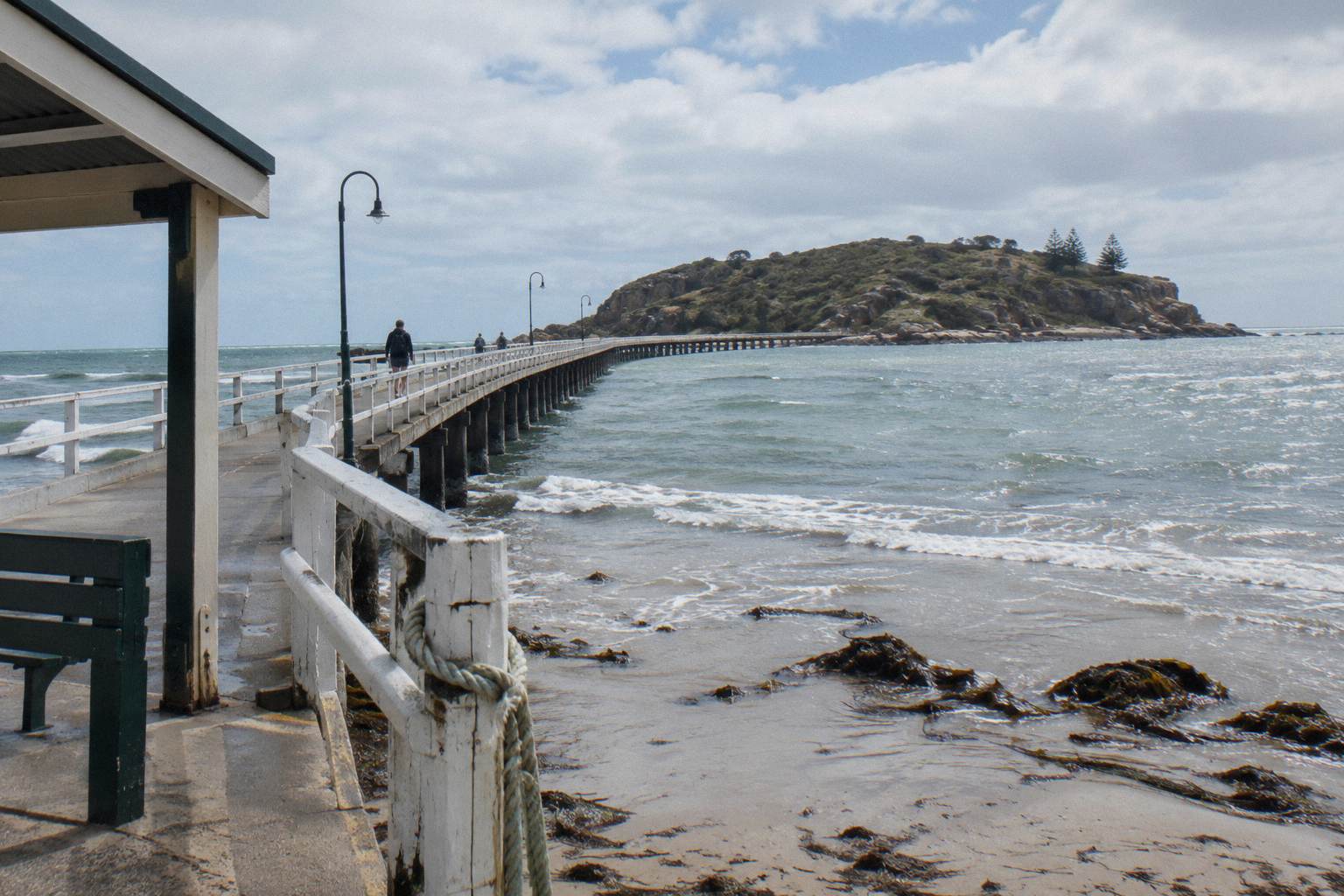
One thing not to plan around is penguins. Commercial penguin tours of Granite Island ended in 2020, and the environment department notes that citizen scientists have run nightly monitoring since; the 2026 census counted 46 adults, a real recovery from 30 in 2024 but not a bookable product. Any page offering an evening penguin excursion in Victor Harbor is selling something the current operators do not. The wildlife that is for sale is on the water, and the wildlife on the island is free to walk past.
Mistakes That Sink A Victor Harbor Boat Day
The recurring errors are booking the wrong month for whales, arriving at the wrong end of the causeway, misjudging the boat type, and counting on penguins. Whale trips outside May to October have no whale proposition at all; boarding for Big Duck is from a landing about 300 m out along the causeway, not the Victor Harbor shore; a rigid-hulled inflatable is a wet, physical ride; and no penguin tour exists. Late arrival forfeits the fare.
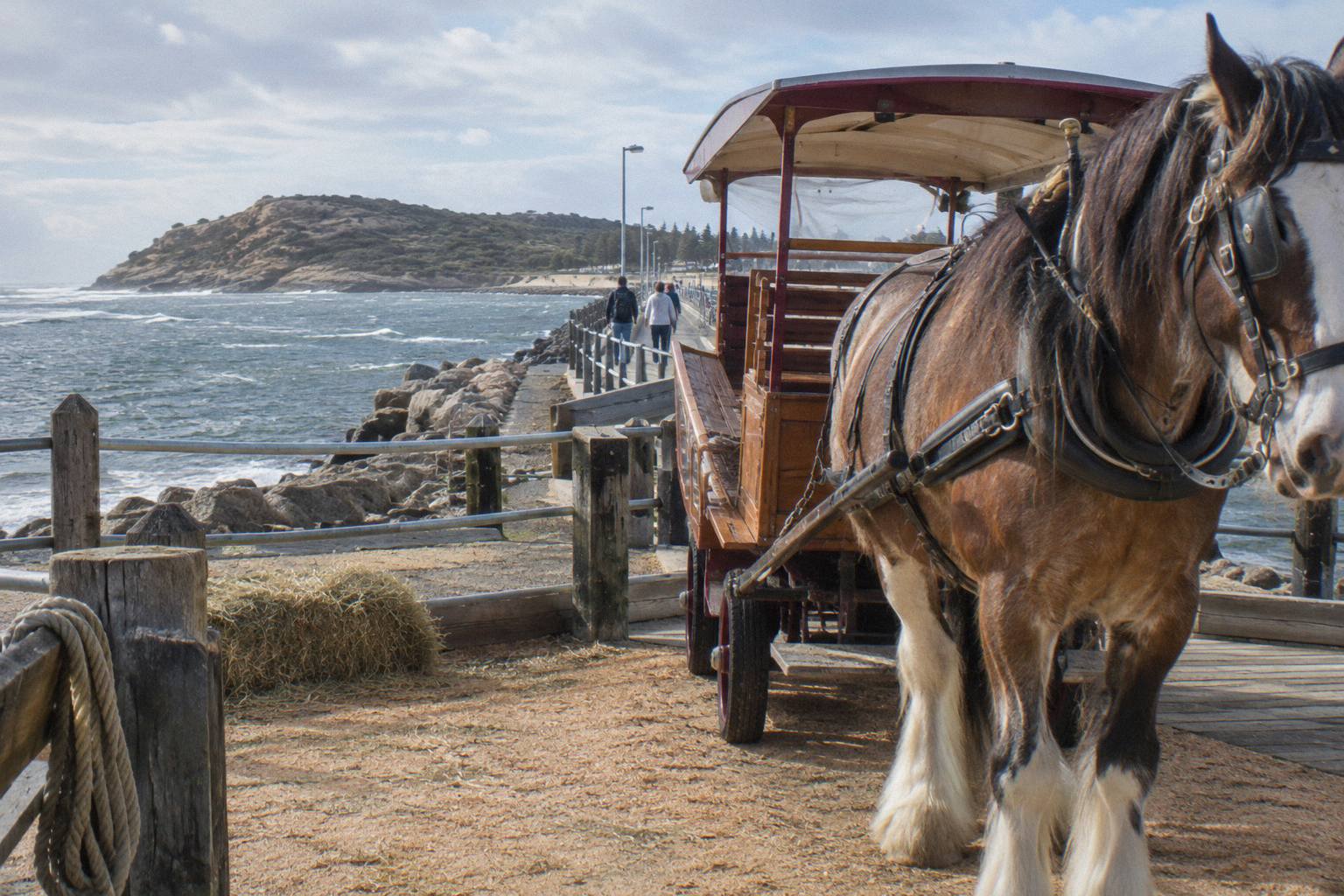
A few specifics. Travellers who book the Seal Island Cruise expecting the coastal run get 45 minutes and the island, not The Bluff and the Waitpinga cliffs; the two products are genuinely different trips. Visitors who assume the horse-drawn tram can be pre-booked find tickets are sold at the causeway only. Day-trippers from Adelaide who plan the 1 hour 15 minute drive without buffer for the walk out to the boarding landing, about 650 metres of causeway plus 300 m more, can run late enough to lose the fare. And anyone holding a whale booking in July should watch the forecast and the SA Whale Centre sightings rather than the calendar alone, since a cancelled departure is far cheaper to rebook the day before than at the jetty. The do whale tours get cancelled post unpacks the mechanics.
Common Questions About A Victor Harbor Boat Day
Is Victor Harbor Worth Visiting For A Boat Or Whale Tour?
Yes, between May and October for whales, with July and August the most reliable months per the SA Whale Centre, and year round for seals and coastline. The Southern Ocean Adventure Cruise runs from AU$85 per person and the Seal Island Cruise from AU$55 per person, both from the Granite Island Causeway with free cancellation up to 24 hours before.
When Can You See Whales At Victor Harbor?
The season runs May to October, with the first whales usually seen in May and the last in early October. The SA Whale Centre describes July and August as the most reliable months, and Big Duck frames its local whale season as June to September. Sightings are never guaranteed.
Which Boat Trip Is Best If There Are No Whales?
The 45 minute Seal Island Cruise, from AU$55 per person, is built around fur seals, sea lions and seabirds that are present year round. The 1.5 hour Southern Ocean Adventure adds the coastal route past Wright Island, The Bluff, West Island and the Waitpinga cliffs.
Do The Boat Trips Get Cancelled In Bad Weather?
Yes, in rough or unsafe conditions. Big Duck typically notifies the day before by text and email and offers a full refund or reschedule; rain alone does not necessarily cancel a departure. Booking pages carry free cancellation up to 24 hours before for a full refund.
Can Children Go On The Victor Harbor Boat Trips?
On Big Duck departures the minimum age is 2, and children aged 2 to 15 travel with an adult. The operator states the trips are not suitable for pregnant passengers, and the vessel is a 12.5 m rigid-hulled inflatable rather than a cabin cruiser.
Where Does The Trip Leave From And When Should You Arrive?
Big Duck Boat Tours departs from the Granite Island Causeway, with boarding from a landing about 300 m out along the causeway. The causeway walk is about 650 metres each way, roughly 20 minutes, so allow time to get out there; late arrivals receive no refund under the operator's terms.